Why Every Urban Gardener Needs a Flock of Friends
Some of my earliest memories are filled with the gentle clucking of hens and the soft rustle of straw underfoot. I grew up on a small hobby farm; sometimes we had chickens, sometimes we didn’t, but my grandparents always did. Some of my fondest memories from visiting them are of collecting warm eggs from the nesting boxes, scattering handfuls of feed, and sitting quietly as the hens pecked curiously around my feet. Those moments were simple, peaceful, and grounding in a way that only childhood memories can be.
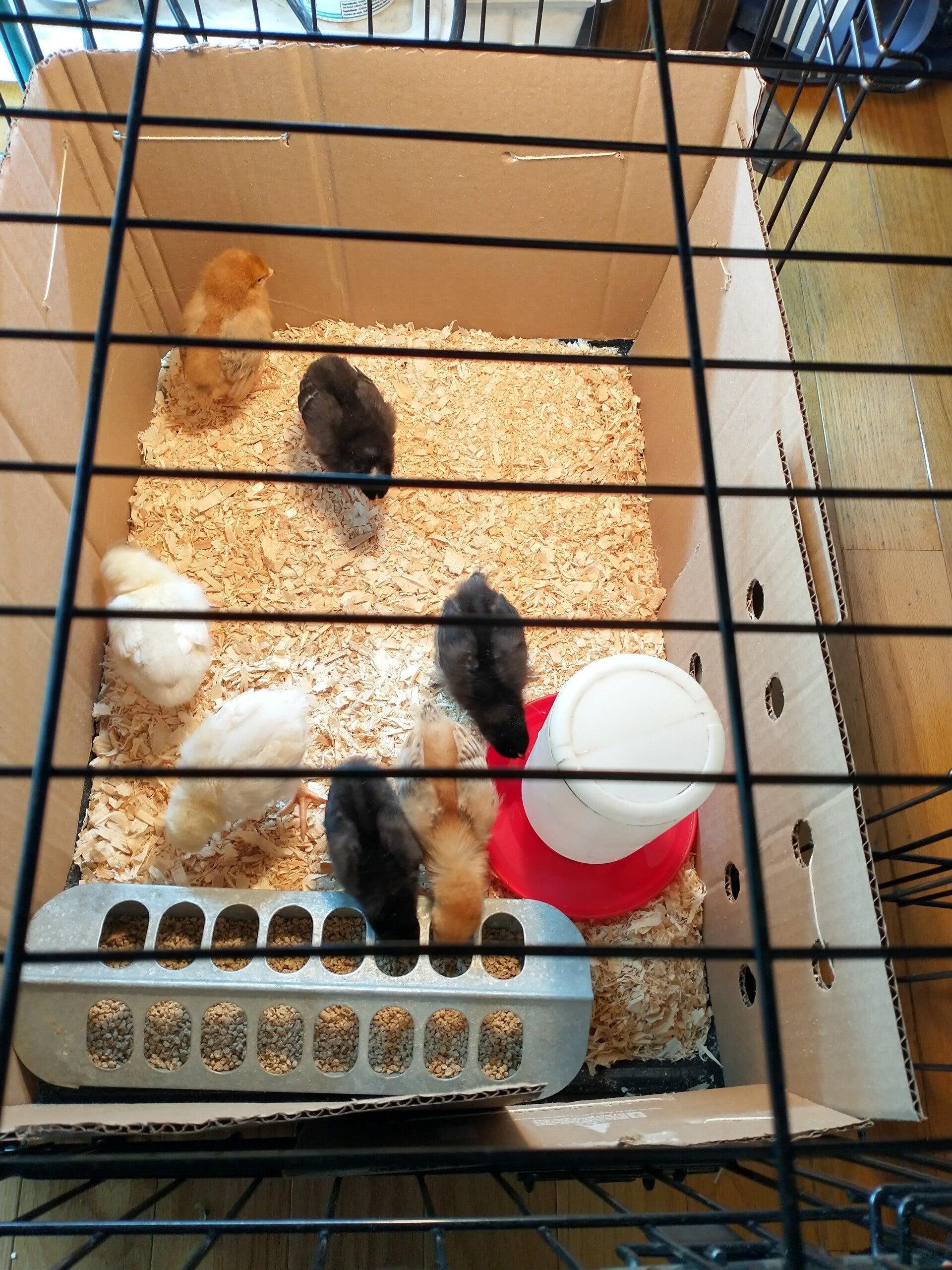
Cozy Contentment
When we moved to the city, I didn’t realize just how much I’d miss those gentle rhythms until the day we brought home our first small flock. Suddenly, those familiar sounds returned; the morning chatter, the excited flutter when treats appeared, and the cozy contentment that settles in at dusk. It felt like a piece of my past had found its way back home.
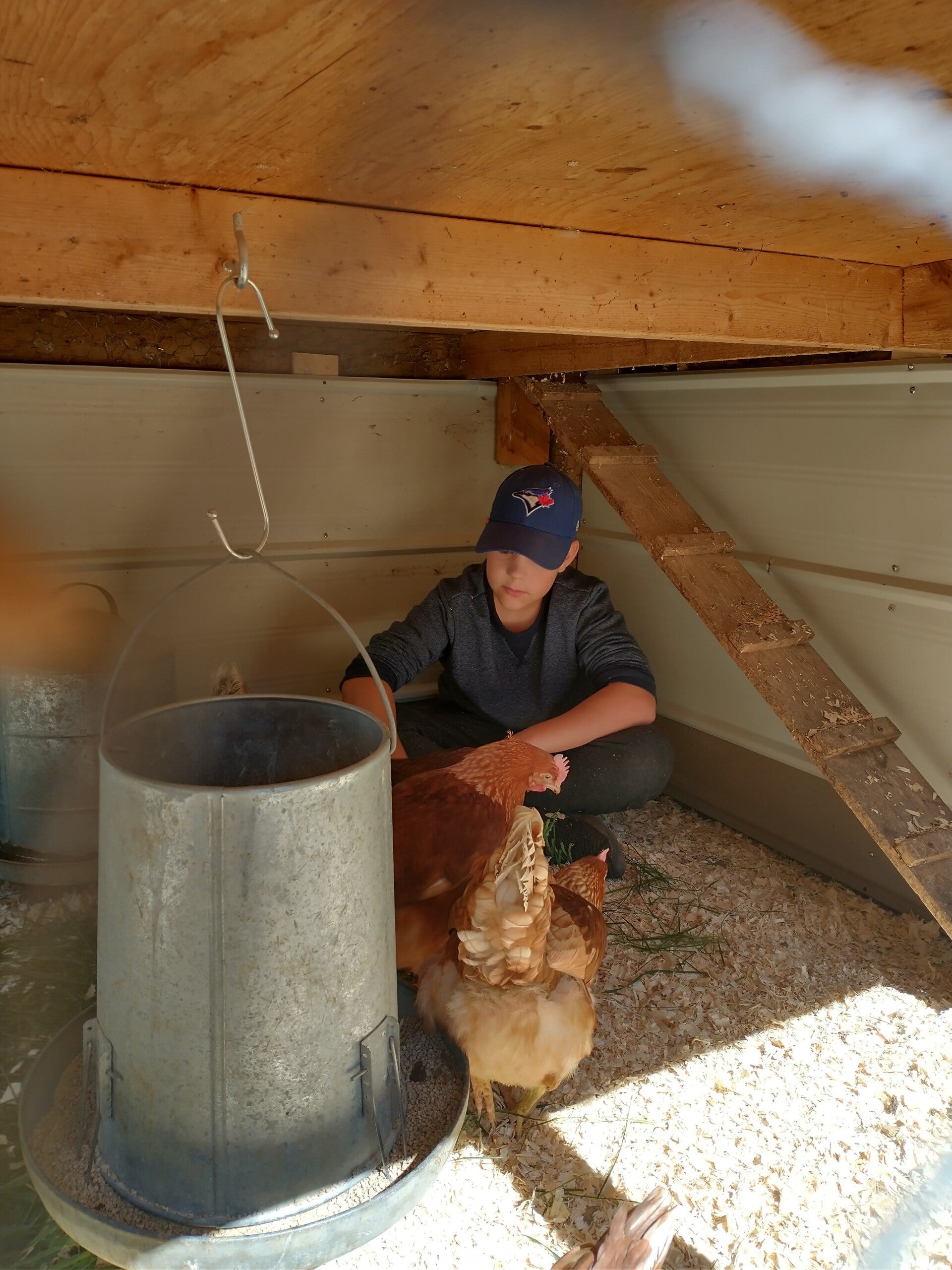
Comfort and Connection
Now, watching my children grow up with chickens of their own, I see those same lessons and little joys coming full circle. They’ve learned to care for something beyond themselves; feeding, cleaning, and gathering eggs with pride. And in the process, they’ve found comfort and connection, especially through the uncertainty of recent years. During the quiet days of COVID, our flock became more than just backyard companions; they were a source of calm, laughter, and purpose.
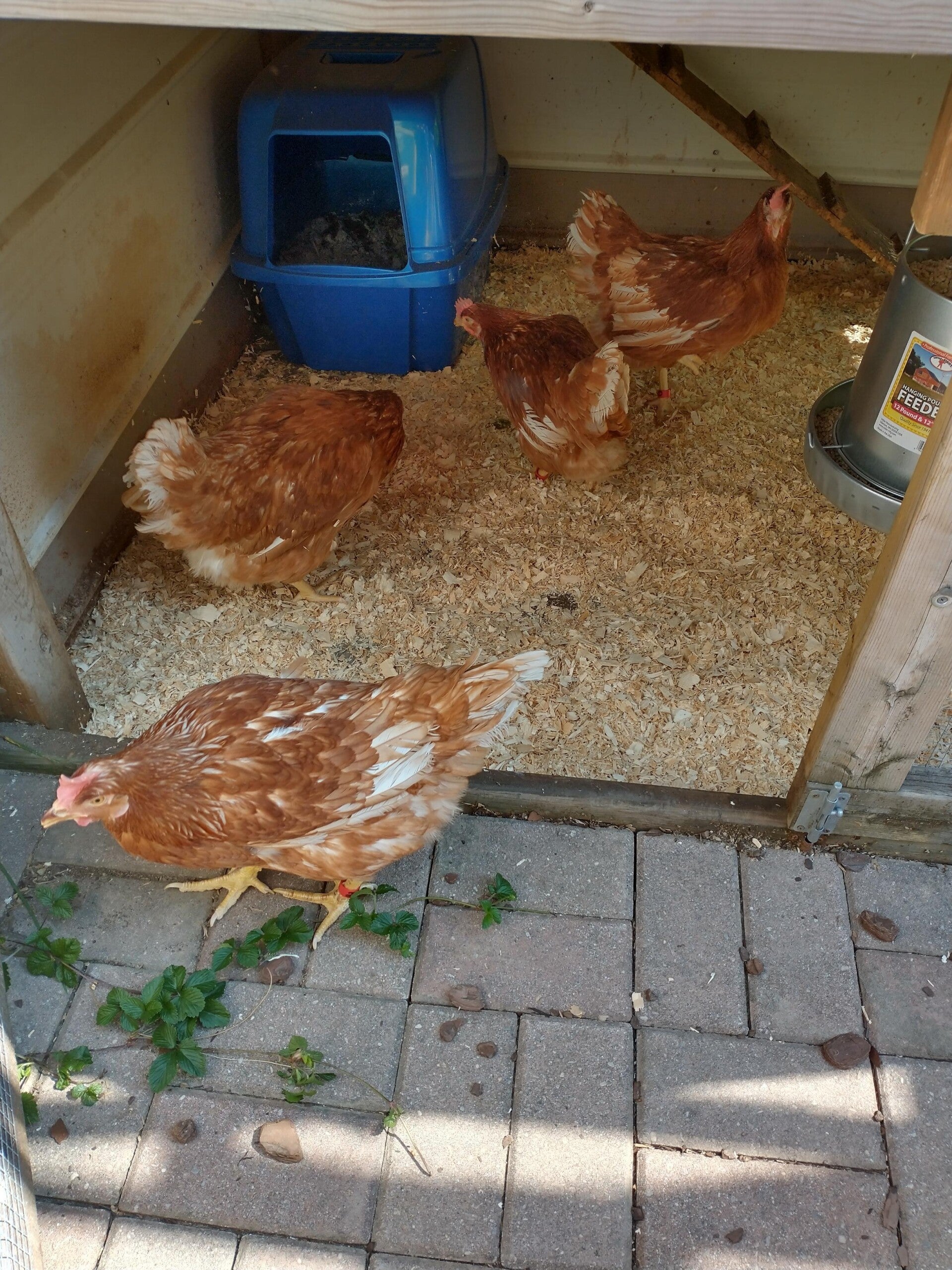
Enhance Your Lifestyle
Backyard chickens are becoming increasingly popular for good reason. They offer numerous benefits that can enhance your lifestyle. They are the unsung heroes of city gardens, offering more than just fresh eggs. For urban gardeners, a small flock becomes an integral part of a thriving, sustainable ecosystem that nourishes both body and mind.
Fresh, Nutritous Eggs Right at Home
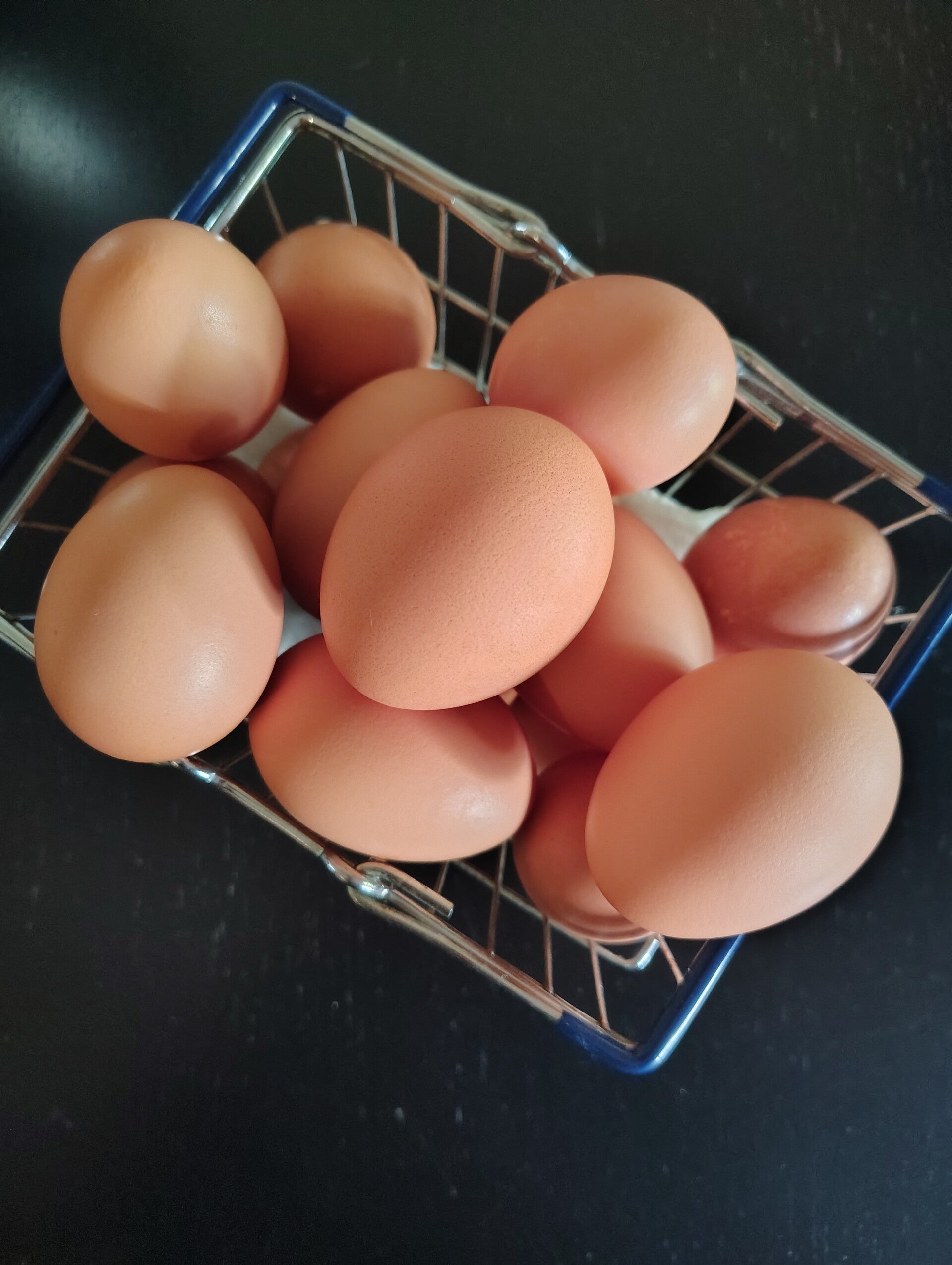
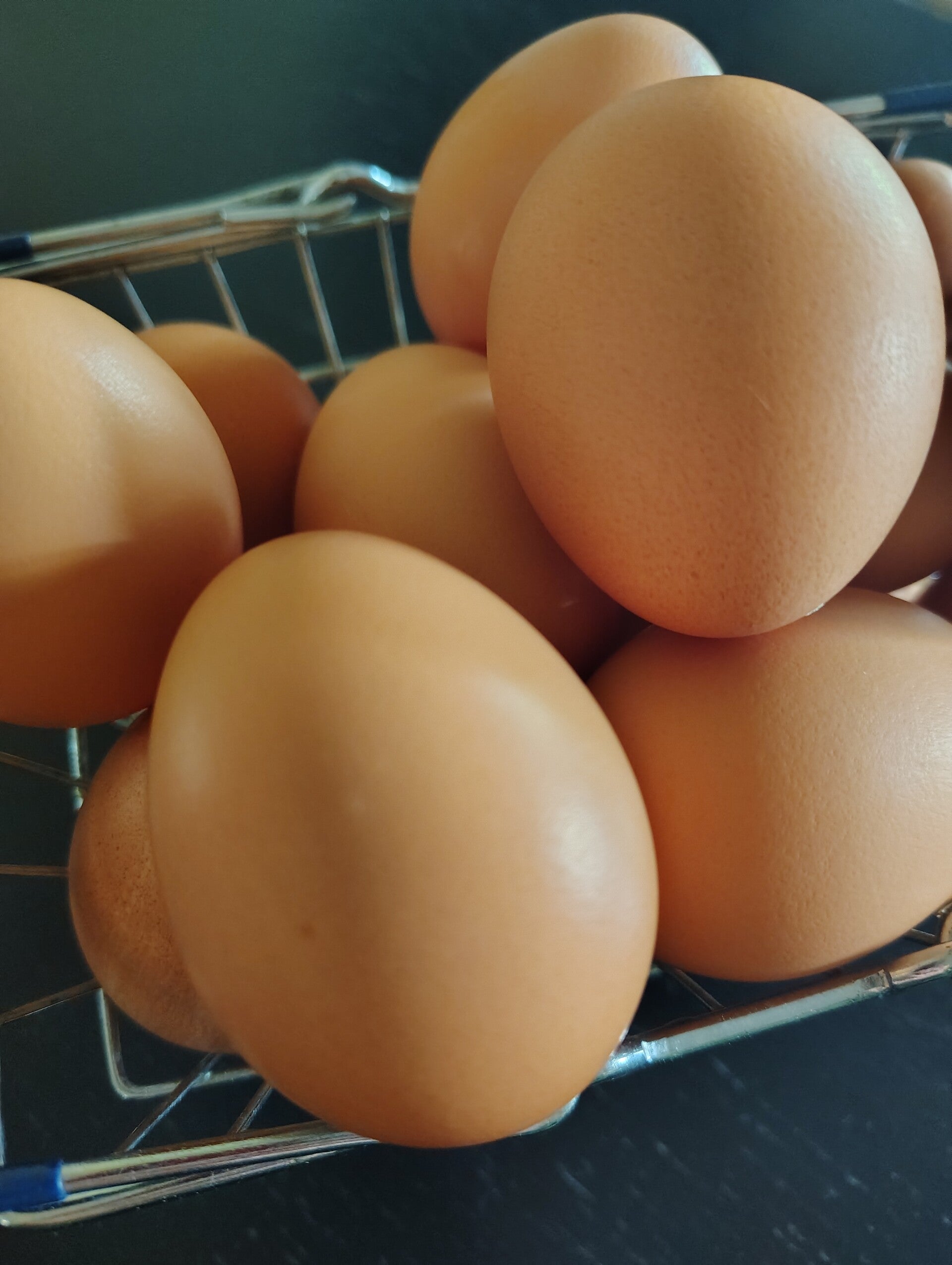
One of the most significant advantages of raising backyard hens is it provides access to fresh, nutrient-rich eggs. Studies show that pasture-raised homegrown eggs contain higher levels of vitamin E and omega-3 fatty acids than store-bought varieties, giving you fresher, healthier food while reducing dependence on industrial egg production.
I have nothing against industrial egg production or farming. My grandparents ran a dairy and poulty farm. I have fond memories of walking the length of the chicken barn collecting eggs and helping fill the barn with fresh hay to feed the cows for the winter. For the most part, these farmers work hard and genuinely care about their animals. But let's be honest, store bought eggs just can't compare to stepping into your own backyard, gathering still-warm eggs, feeling the quiet pride of self-sufficency and like you are running your own little farm empire. If I had the space, I'm sure I would have a few dozen chickens; most likely there'd be a cow and maybe a couple of pigs out there too.
Soil Health and Pest Control
Chickens act as natural composters and gardeners' assistants. Their manure, once composted, transforms into one of the most potent natural fertilizers, restoring soil health and structure. Chicken droppings are an excellent source of nitrogen, which is essential for plant growth. They also provide natural pest management; by allowing them to roam in your garden, scratching up grubs, slugs, betttles, and larvae, they help keep harmful insects at bay, reducing the need for chemical pesticides.
Reducing Waste and Closing the Food Loop
Food scraps that might otherwise head to the landfill can become chicken feed. Chickens turn kitchen waste into protein and fertilizer, helping urban gardeners close the loop between table, compost, and soil. Fewer discarded scraps mean lower waste and richer gardens.
The best kitchen scraps for chickens include most vegetables and fruit peels, rinds, and tops, as well as breads and grains in moderation. Think apple cores, carrot tops and wilted lettuce. Chickens also like plain popcorn and leftover corn on the cob. But all treats should be kept to less than 10% of their overall diet.
It's important to avoid scraps like uncooked potato skins, avocado, onion, chocolate, anything moldy or spoiled, fried or sugary, and dried beans, as these can be harmful to your chickens.
Make sure you have a clean eating area or trough for them to eat these kitchen scraps so they do not become contaminted by their waste as this can lead to parasitic infections or other illnesses. Clean up any uneaten scraps at the end of the day as well so you are not attracting any unwanted pests.
Companionship and Mental Health Benifits
Backyard flocks aren't just productive, they're peaceful. Observing the rhythem of hens scraching, dust bathing, and softly clucking has proven to lower stress and promoite mindfulness. Many flock owners describe tending chickens as a grounding daily ritual that connects them to nature and calm. Chickens can be friendly and entertaining pets. They have unique personalities and can provide joy and companionship.
Education and Community Connection
Raising chickens teaches kids (and adults) where their food comes from and fosters community curiosity. Neighbours stop to chat, kids learn responsibility, and city dwellers experiance firsthand how small-scale food systems sustain both health and local resilience.
In short, chickens transform an urban backyard into a complete mini-ecosystem; a space that nourishes the soil, reduces waste, supports pollinators, and restores peace of mind. For urban gardeners, a flock of feathered friends is more than a hobby, it's a joyful act of selt-sufficiency, connection, and care.