Choosing the Right Chicken Breeds and Winterizing Your Chicken Coop
When you’re building your little backyard flock, choosing the right breeds can make all the difference, especially when winter settles in. Some chickens are naturally better suited for cold climates or steady egg production, while others win your heart with their gentle, friendly personalities.
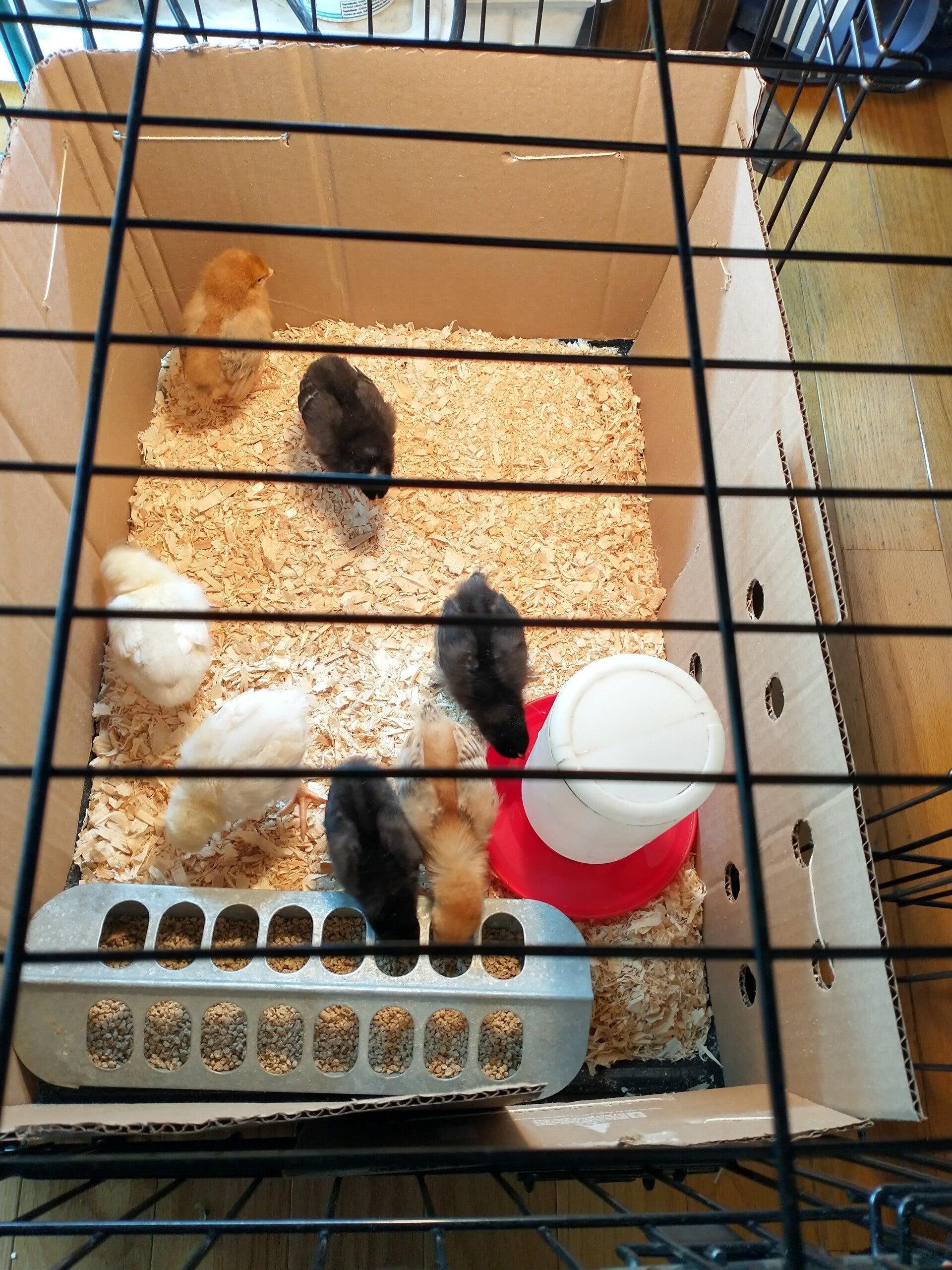
Welcoming Hens
Of course, not everyone starts with the luxury of choosing. Many backyard chicken keepers, ourselves included, welcome hens that come from school hatching projects, holiday chicks purchased on a whim, or families who simply can’t care for them any longer. Over the years, most of our flock has found us this way. That’s why learning each chicken’s breed, temperament, and cold-weather needs has become such an important (and surprisingly rewarding) part of our winter homesteading rhythm.

Chickens For Cooler Climates
The best chickens for cooler climates and small spaces are those with dense feathering, small combs (which help prevent frostbite), and calm, steady personalities that tolerate close quarters well. Wonderful choices include Wyandottes, Brahmas, Ameraucanas, Dominiques, and Chanteclers. These hardy breeds handle cold weather beautifully, thrive in smaller spaces, and still reward you with dependable egg production all winter long.
Winterizing Your Chicken Coop
When the first frost presses against the windows and the evenings stretch a little longer, there’s something deeply reassuring about knowing your feathered friends are tucked in safely just a few steps from your back door. Winterizing the coop isn’t about building a fortress—it’s about adding layers of comfort, keeping everything dry, and making daily chores easier for you and much cozier for them.
Chicken Breeds & Winter Prep
Best Chickens for Cooler Climates
Wyandatte: Renowned for calm temperament, tight rose comb (resistant to frostbite), and dense feathering. Thrives in confined coops and is a prolific layer, needing only about 4 square feet per bird.
Brahma: Large, gental breed with hariy legs and a small pea comb, providing excellent cold resistance. Despite their size, they adapt well to smaller spaces and are peaceful in mixed flocks.
Ameraucana: Leaner but cold-heardy, with pea comb and distinctive "muffs" that help protect their faces from the cold. Lays colourful eggs and does well in small or urban coops.
Dominique: Early American "barnyard" breed known for excellent winter laying, tight feathers, and a compact build. Very manageable in compact chicken runs.
Chantecler: Developed in Canada for cold tolerance with cushion comb (almost no wattles) and thick plumage. Handles harsh winters exceptionally well and is efficient in small enclosures.
Additional Considerations
Easter Eggers: While not a pure breed, these are cold-tolerant and adapt well to small spaces, providing a variety of egg colors.
Golden Comet (red sexlink): Small, hybrid layer known for prolific egg production, cold hardiness, and suitablility for small coops.
Barred (Plymouth) Rock: Another favoured cold-heady breed with a good disposition for small backyards
Leghorns: Known for their high egg production, Leghorns are active and hardy birds. They are great for those looking to maximize egg yield.
Rhode Island Reds: These chickens are friendly and adaptable. They are excellent layers and can thrive in various environments.
Silkies: If you want a more docile and friendly breed, Silkies are a great choice. They are known for their fluffy feathers and gentle nature.
Consider your space and needs when selecting breeds.
Winterizing Your Coop
A gentle, snug home
- Start with the basics; seal drafts and cracks, then add warm, safe insulation. Think sturdy, chicken-proof materials like plywood over insulating panels where needed, plus a thick bed of straw or wood shavings on the floor to trap warmth.
- Keep the air fresh without creating cold drafts. A little ventilation high up is your friend; enough to move moisture and odors out, but not so much that the roosts feel like a wind tunnel.
- Whitewash the interior walls occasionally. It brightens the space and helps keep wood clean and smelling fresh.
Comfort that sticks
- Elevate roosts a bit so little toes can tuck in, and the birds settle more comfortably through the night.
- Deeper litter isn't just for composting; in winter it acts as a natural radiator. Stir it regulary to keep it fluffly and dry, and refresh as needed.
- Bedding choices matter. Organic staw, pine shavings, hemp, or a blend work well, with more depth during the coldest weeks. Keep bedding dry and clean, this is the secret to a warm. odor-free coop.
- Watering matters in winter. A reliable, heated waterer can prevent frozen bowls, but check cords and placements to avoid moisture buildup around electrical items.
Warmth without worry
- If you consider heat, opt for safe, low-risk options and use them sparingly. A small, thermastat-controlled heat source or radiant panel can help in extream cold, but keep it away from straw to prevent fire hazards.
- Protect from wind and moisture with windbreaks around the coop and a dry, well-drained run. A simple windbreak, plus some extra bedding in the run, helps keep the birds comfortable when they do venture outside.
- Regular checks are your ally. A quick weekly walk-through to inspect for damp corners, soaking bedding, or drafty gaps can catch trouble before it starts.
A little routine, a lot of comfort
- Create a winter checklist: inspect seals, refresh bedding, top up water, and confirm ventilation. A short routine makes the season feel manageable and keeps the flock thriving.
- Gently lighting can help maintain egg production during shorter days. A small amount of additional light in the early morning or late afternoon can keep laying steady without stressing the birds.
With a warm, dry and quiet space, your flock stays cozy, and you keep joyful, contiuous moments of farm living with your family, even through the chilliest months.
Winterizing our Chicken Coop
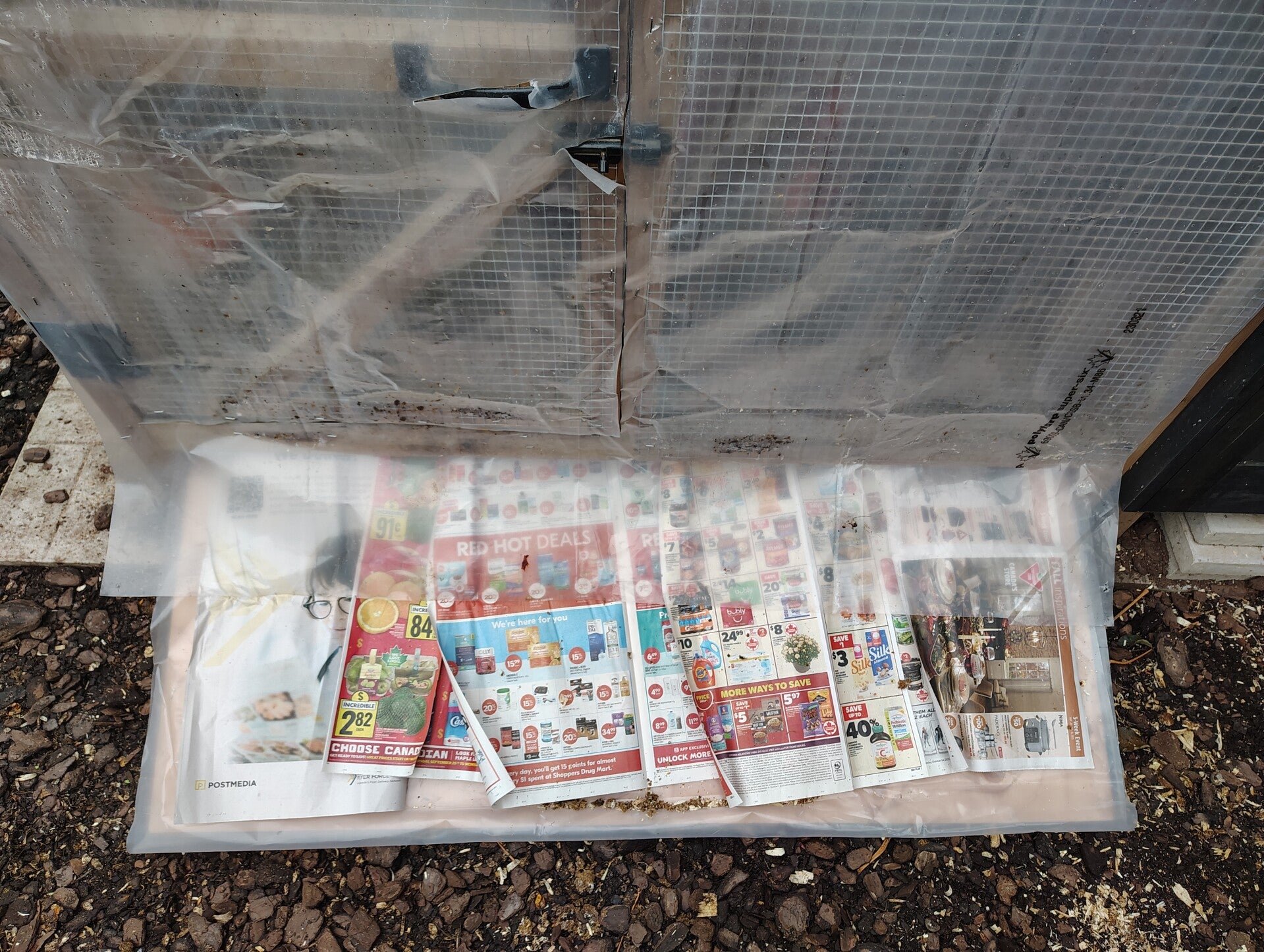
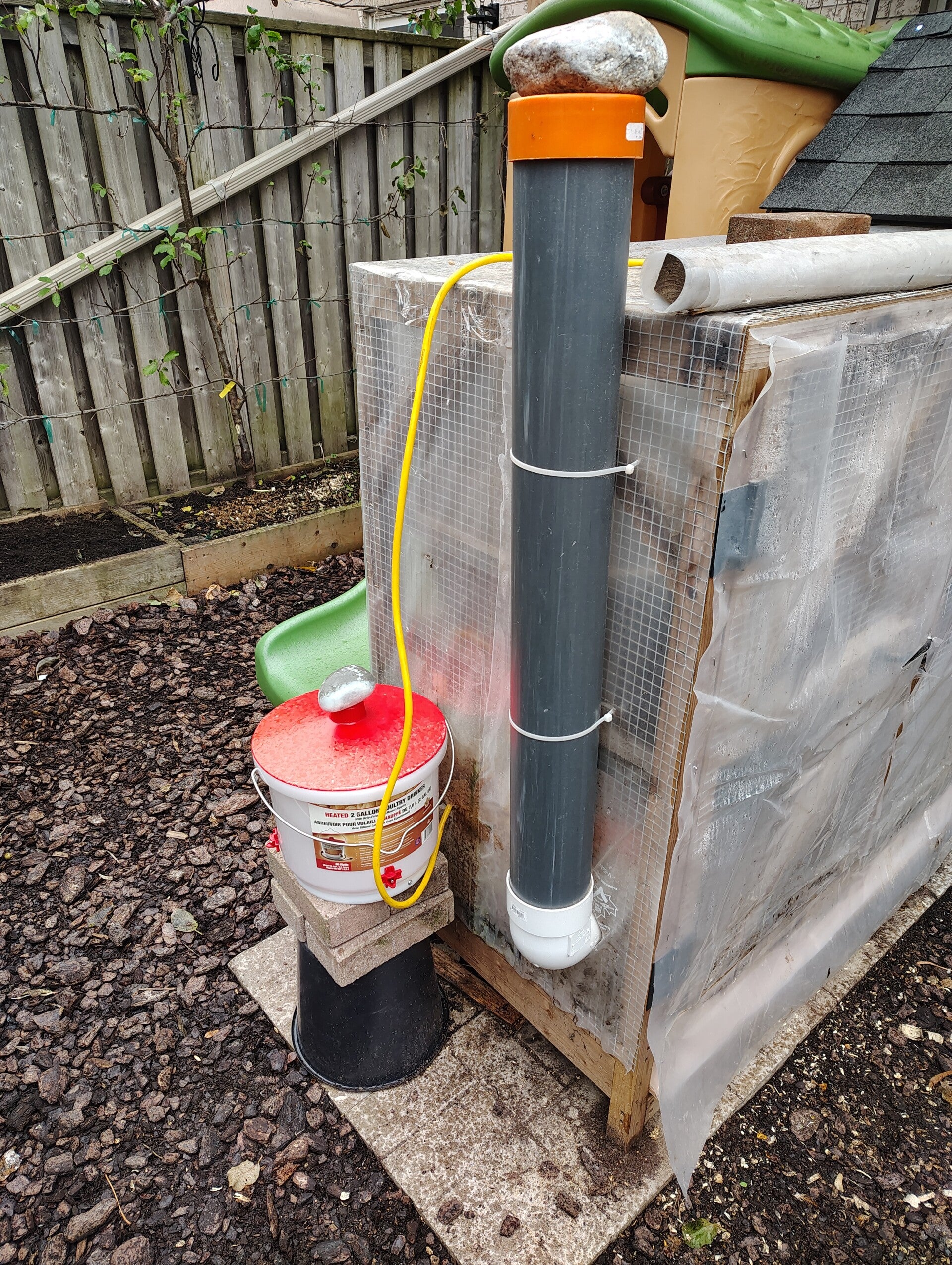
To winterize our new coop, we started by covering the chicken run with plastic to help soften the drafts the chickens face while they’re out gathering their food and water. We swapped their regular waterer for a heated system and replaced the poop drawer with a sheet of plywood lined with two layers of plastic and a layer of newspaper.
Because our coop is so small, winter cleaning has to happen often. In the past, the poop drawer would freeze solid, making it impossible to open until the weather warmed enough to loosen the ice. After one too many mornings wrestling with it, I added a double layer of thick plastic beneath the drawer and suddenly it slid in and out just the way it should.
So far, the new setup has been a little winter miracle. Each morning, I head out, swap the newspapers, and the coop stays clean, dry, and cozy for our flock.
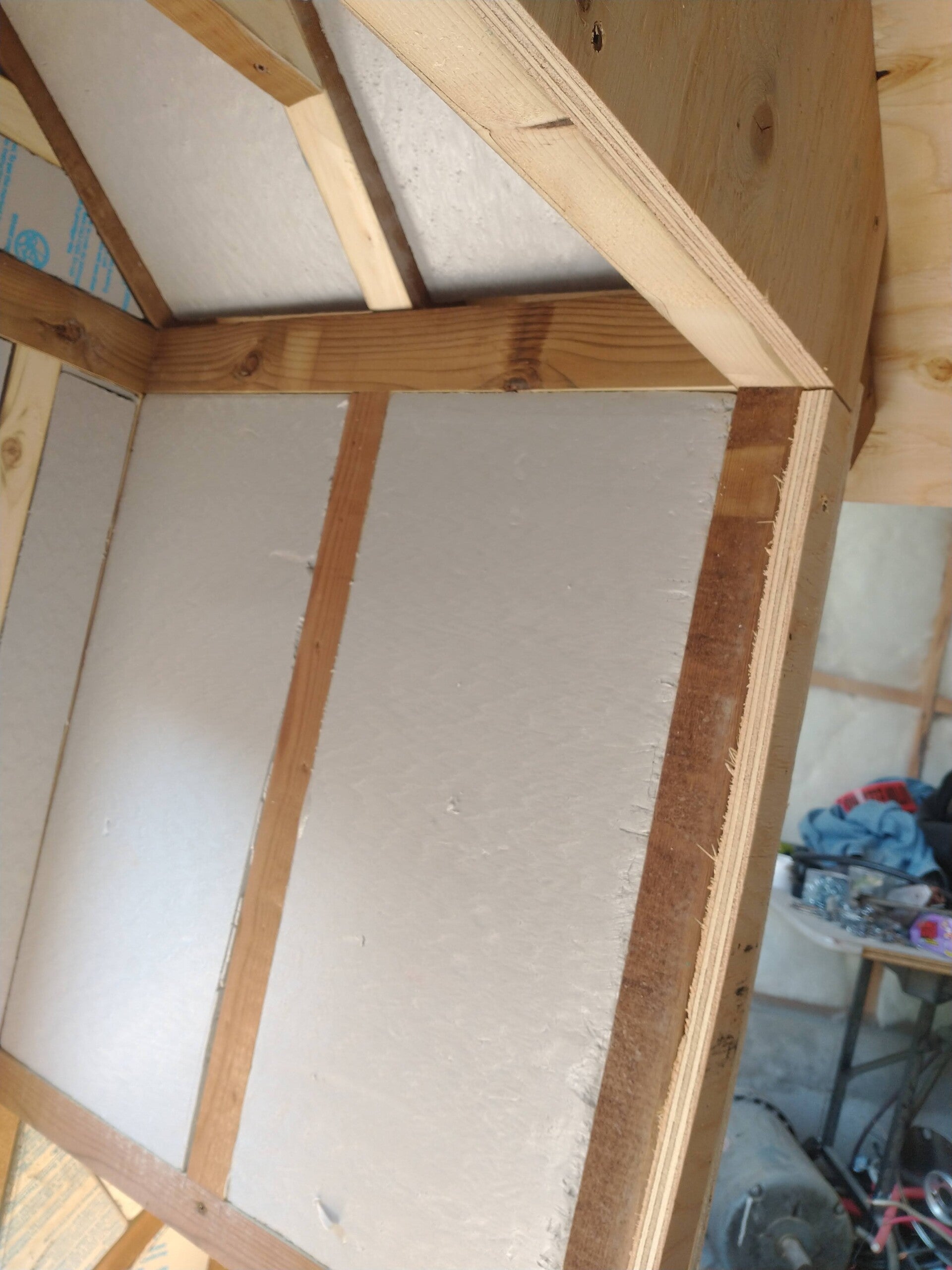
When we built our new coop, we made sure it would be a warm, welcoming haven for the colder months. We insulated every part of it, the floor, walls, ceiling, and even the doors, and then covered the insulation with sturdy plywood to keep everything tidy and protected. Now the only task left is helping our feathered ladies learn to roost inside the coop at night instead of settling into their favorite spots out in the run. With a little gentle guidance (and maybe a few treats), they'll soon realize just how cozy their new winter home really is.
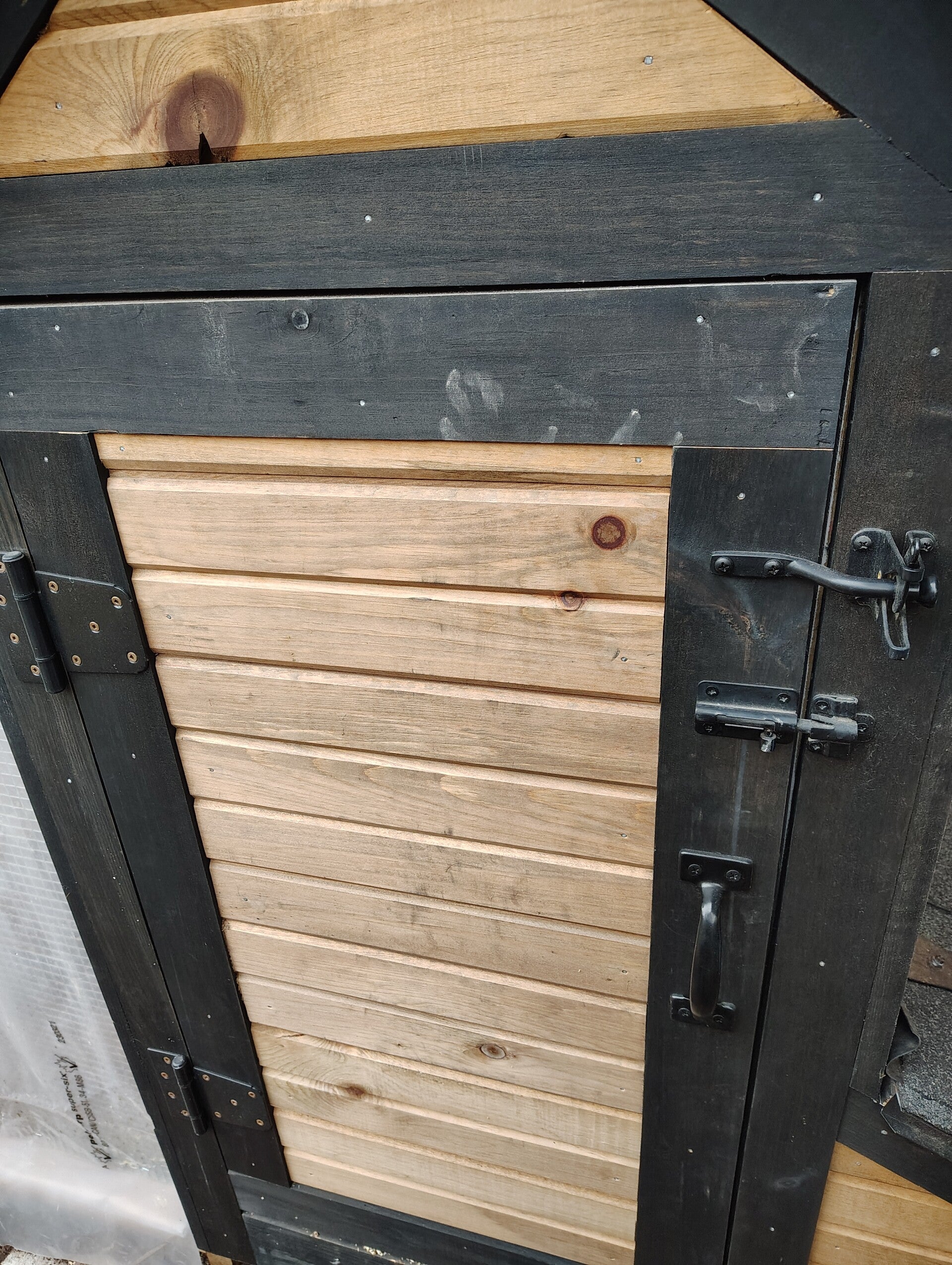
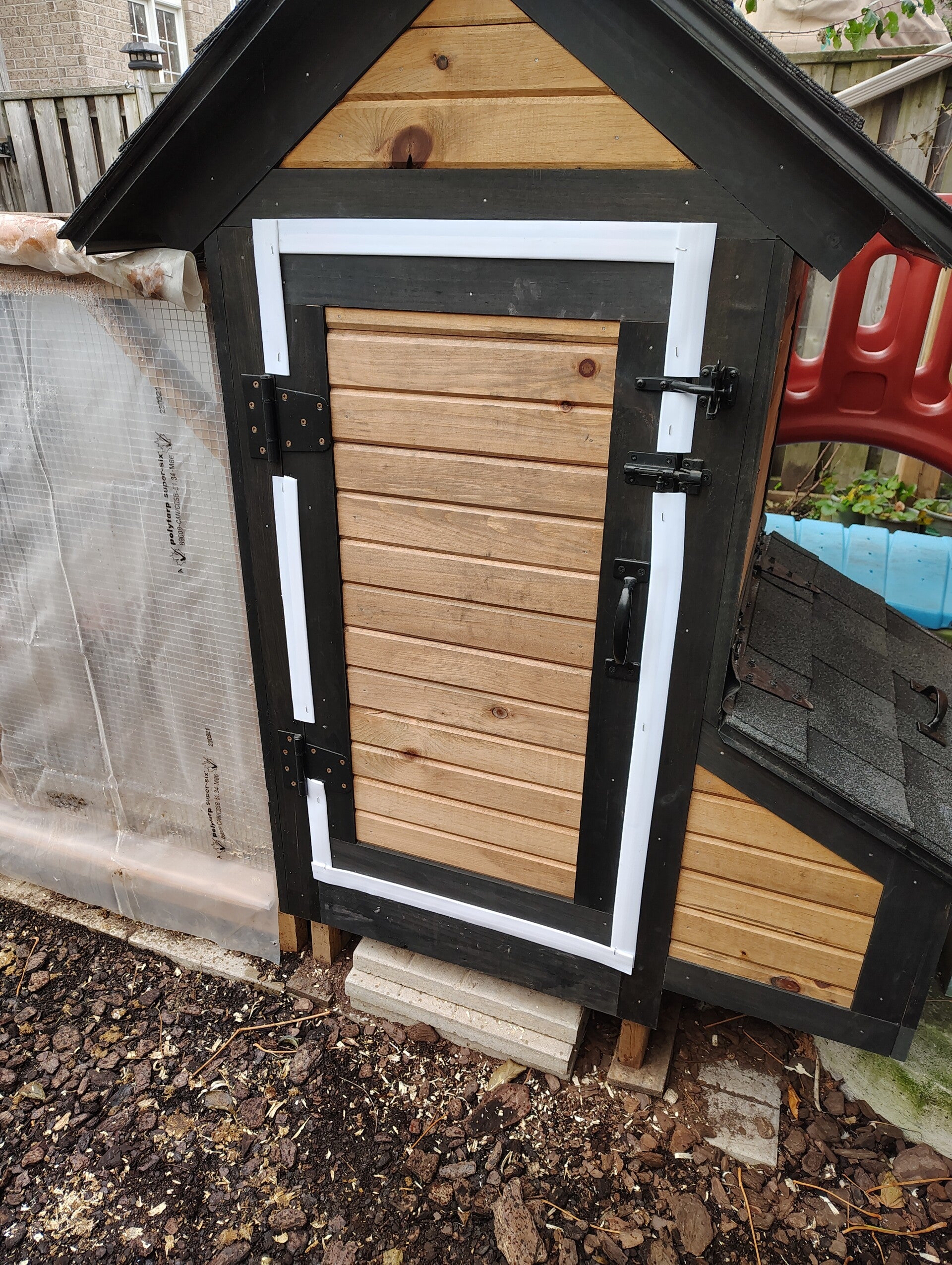
We also installed a weather strip around the coop door, since there was a small gap that let in more of a draft than our girls deserved. A quick trip to the dollar store solved the problem. Simple, inexpensive, and surprisingly effective. It’s a tiny upgrade, but one that makes the whole coop feel snugger and better sealed against those blustery winter winds.
We’re hopeful that all these little preparations will make our backyard flock extra cozy this winter. Still, we know there’s always more to learn, and each season teaches us something new. We’ll keep tweaking, improving, and doing what we can to make their tiny home a little warmer and a little happier every year.