Growing Columnar Fruit Trees in Containers: A Backyard Orchard on a Postage Stamp
I grew up surrounded by fruit trees. Early harvest apples that made the best apple sauce, all types of apples that made delicious pies, dehydrated apple chips and apple cider. Pears that we canned and dehydrated. The most prized trees, then and now of all, were our Italian Prune plums. These were harvested for jam, dried plums and most importanly for our families traditional german plum cake. Those memories never quite left me.

From Orchard Memories to Postage-Stamp Apple Trees
When I had children of my own, I wanted to pass that same magic on to them, the joy of plucking a sun-warmed apple right from the branch. But there was one problem; our yard wasn't much bigger than a picnic blanket. The dream of recreating an orchard seemed impossible, until I discovered columnar apple trees.
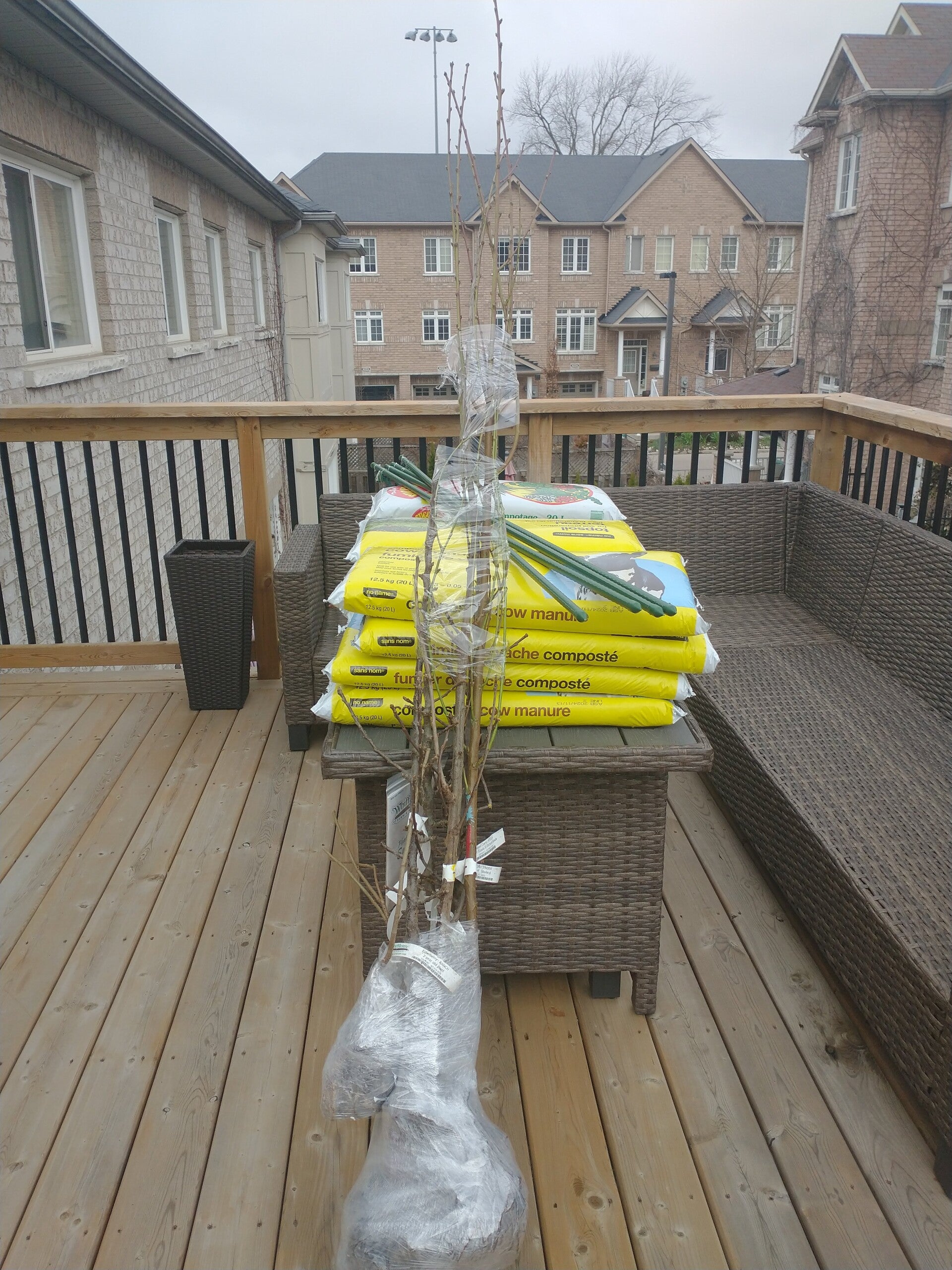
Nature's Answer
Columnar apple trees are nature's answer to small-space gardening. They grow in a single upright column, producing fruit along their central trunk rather than spreading out like traditional apple trees. That means you can fit several trees in the space of one regular one; prefect for patios, tiny yards, and even large containers.
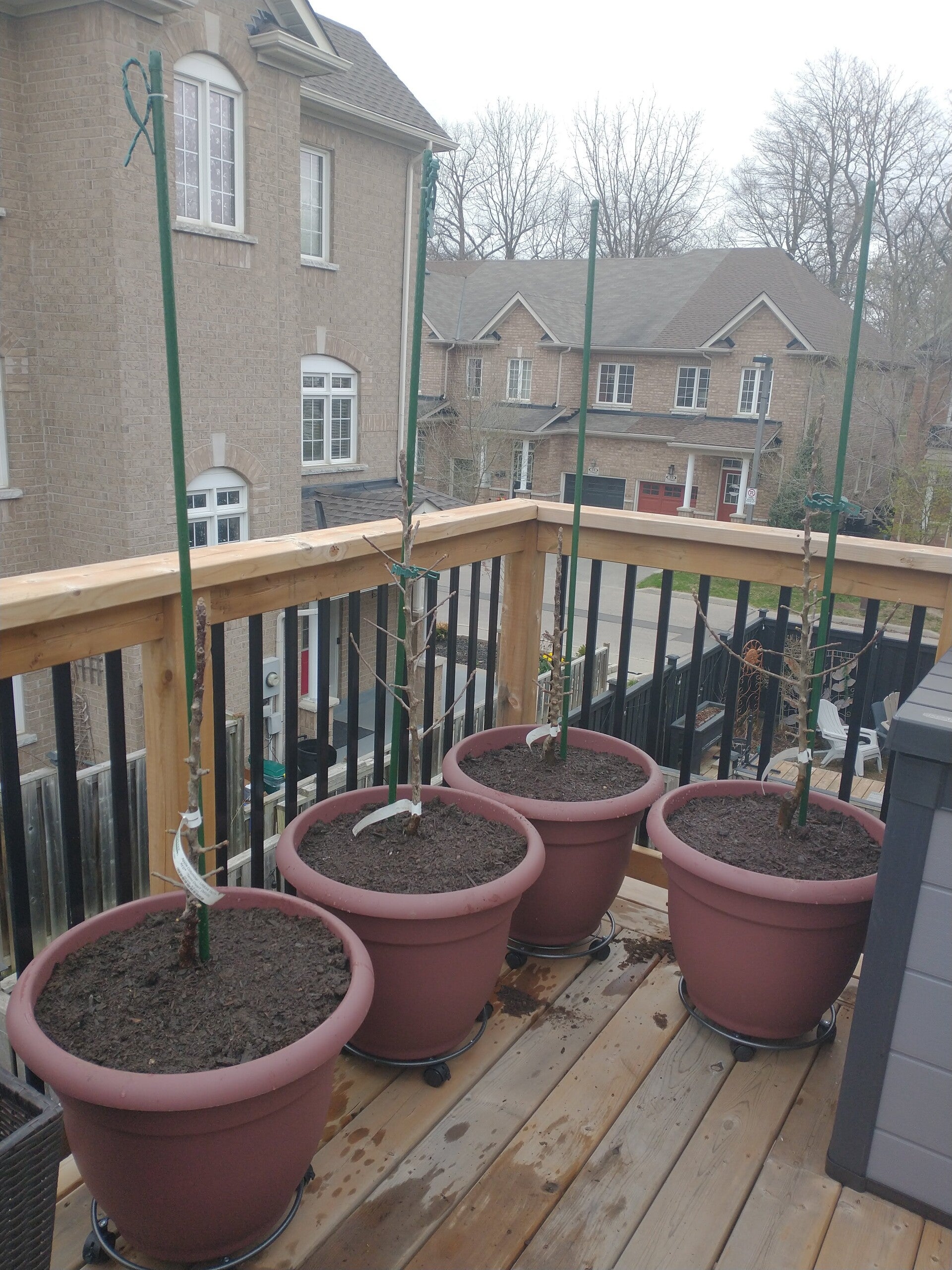
A Mini Orchard of Our Own
What I love most is how easy they make it to reimagine the orchard experiance on a miniature scale. My kids can still wander outside and pick apples, and I get the satisfaction of keeping that family tradition alive in our small corner of the world.
Growing Fruit, Growing Memories
Sure, we still visit my grandmother and my parents farm and harvest fruit from the larger orchards, but there’s something magical about stepping outside and picking fruit you’ve grown yourself. For city homesteaders or anyone working with a small space and have dreamed of growing your own fruit but didn't think you had the room, columnar fruit trees make that dream possible; no sprawling orchard required. Compact, beautiful, and productive, they prove you don't need an acre of land to harvest memories.


Why Columnar Fruit Trees?
Columnar fruit trees are bred to grow upright, staying 2-4 feet wide and about 8-10 feet tall, making them ideal for patios or small yards. They produce fruit along a central trunk rather than sprawling branches, maximizing productivity in minimal space. That makes them perfect for small spaces where every square foot counts. A single tree makes a charming focal point, while a row of them can create a living edible privacy hedge, transforming a simple deck into a cozy orchard. Best of all, they’re just as delicious and rewarding as their full-sized cousins.
How to Grow Columnar Fruit Trees in Containers
1) Choose the right container: Pick a pot that’s at least 18–20 inches wide and deep, with good drainage holes. Bigger pots mean happier roots and less frequent watering.
2) Use quality soil: Fill with high-quality potting mix and enrich it with compost. This gives the roots the perfect balance of drainage and nutrients.
3) Find the sun: Most fruit trees need at least 6–8 hours of direct sunlight per day. A sunny patio, deck, or south-facing balcony is ideal.
4) Water consistently: Container soil dries out faster than garden soil. In summer, you may need to water daily. Keep it evenly moist, not soggy, not dry.
5) Feed your tree: Apply an organic slow-release fertilizer monthly (e.g., 5-10-10) from April to August after the first year. then supplement with liquid feed every few weeks through the growing season. Avoid fertilizing at planting time to prevent root burn.
6) Prune lightly: These trees naturally stay columnar. Just remove broken, crowded, or crossing branches to keep them healthy.
7) Enjoy the harvest!: With a little care, your tree will reward you with crisp apples, juicy pears, or even cherries and peaches in just a couple of seasons.
Choosing the Best Varieties for Containers
For container orchards, consider cold-hardy options suitable for your growing zone. I am in Zone 5b. Great choices to consider include:
Apples: North Pole (Sweet-tart red apples, great for snacking), Golden Sentinel (Golden, juicy, and excellent for fresh eating or baking), Scarlet Sentinel (Heavy-bearing, with bright red fruit).
Pears: Decora (Classic pear flavor in a compact form), Urban Harvest (Bred for container growing, with sweet, juicy fruit).
Cherries: Compact Stella (Self-fertile, with dark, sweet cherries), Carmen (Heavy-yielding with large fruit).
Peaches & Nectarines: Bonfire Patio Peach (Beautiful pink blossoms, burgundy leaves, and tasty fruit), Nectarella (A dwarf nectarine perfect for pots).
Plums: President (Upright growth, large purple plums), Opal (Compact, early-ripening, with sweet-tangy fruit).
Tip: Many apples need a pollination partner, so plan on planting two different varieties. Cherries, peaches, and nectarines are often self-fertile, meaning one tree is enough. Always select self-polinating or compatible pollination pair if you have limited space.
Overwintering in Ontario
Since winters in my area can dip below -20C, over winter potted trees in an unheated garage or shed once the leaves drop. Avoid heated areas which interrupt dormancy. You can also insulate ourdoor containers by clusterint them together and wrapping them in burlap or straw.
Overwinterning container fruit trees in Ontario's cold climate requires strategic protection to ensure the roots survive freezing temperatures while maintaining the tree's dormancy. Because containers expose roots to air temperatures rather than the insulated soil, they are especially vulnerable to freeze damage.
The Risk: Cold Roots and Fluctuating Temps
Roots in containers can freeze and die when temperatures drop below -6C to -7C. Even hardy fruit trees lose signifiacant root mass if exposed to these extremes for long durations. Trees may appear fine above the soil but will fail to leaf out in spring if roots are damaged.
Best Storage Options
The most reliable protection for Zone 5b winters is to move container trees to sheltered, unheated spaces that stay between 0-10C (32-50F). Suitable spaces include:
- A detached, unheated garage or shed
- A cold cellar or basement near a window to maintian dormancy
- A makeshift cold fram outdoors using straw bales or isulation board
Trees should be moved once leaves have dropped naturally in late fall, before hard frosts set in.
Insulating Containers Outdoors
If indoor storage isn't possible, group containers together in a sheltered corner or against a south-facing wall. Cover the pots with insulating material such as:
- Straw, fallen leaves, or shredded bark
- Evergreen boughs or mulch layers 8-12 inches deep
- Bubble wrap or burlap around the container sides
- A tarp to keep moisture off the insulation
For extra protection, bury the pots in mulch or soil up to their rims; this mimics the insulating effect of being in-ground.
Watering and Monitoring
Before storage, water trees deeply, as moist soil freezes more slowly than dry soil. Over winter, keep soil just slightly damp; check every 4-6 weeks and water lightly if it becomes dusty-dry. Frozen soil should never be watered.
Additional Safeguards
- Apply dormant oil before storage to eliminate overwintering pests.
- Wrap trunks with spiral vinyl guards or mesh sleeves to prevent rodent damage and sunscald
- For very hardy trees (apples, pears), light freezing won't hurt them, but citrus, figs, and other tender types should always be stored frost-free.
Spring Wake-Up Routine
As spring approaches, begin acclimating the trees by gradually exposing them to outdoor air and light once nighttime temperatures stay above freezing. Sudden exposure can cause bark splitting or bud shock.
With proper winterization, insulation, minimal watering, and gradual reawakening; columnar and dwarf fruit trees can thrive for years in containers in compact gardens without losing productivity.
A Seasonal Care Calendar
🌸 Spring
- Refresh topsoil with compost
- Fertilize with organic slow-release feed
- Water regularly as days warm
- Watch blossoms and pollinate if needed
☀️ Summer
- Water daily in hot weather
- Fertilize every 2–3 weeks
- Prune lightly for airflow
- Protect ripening fruit with netting if birds move in (or squirrels in my case)
🍂 Fall
- Harvest at peak ripeness
- Add compost after harvest
- Clean up fallen leaves and fruit
❄️ Winter
- Protect pots from freezing with burlap or insulation
- Water sparingly but don’t let soil dry out completely
- Prune in late winter before spring growth
Bringing the Orchard Home
Growing columnar fruit trees in containers is proof that you don’t need acres of land to enjoy organic, homegrown fruit. With the right care, even the smallest “postage stamp” backyard (or balcony!) can provide baskets of apples, pears, cherries, or peaches each year. It’s a beautiful way to bring the orchard home; no matter where you live.