All About Sourdough
A Living Tradition In The Kitchen
Sourdough is one of the oldest and most time-honoured ways of baking bread. Long before commercial yeast existed, bakers relied on naturally fermented mixtures of flour and water to leaven their loaves. Evidence of sourdough bread dates back to around 3700 BCE, with archaeological finds of ancient loaves discovered in Switzerland and connections to Egyptian baking practices using clay pots more than 4,500 years ago.
These early bakers unknowingly harnessed the power of wild yeast and lactic acid bacteria that live naturally in our environment. When flour and water are mixed and left to ferment, they create a symbiotic culture known as a sourdough starter, or “mother dough.” For thousands of years, this living culture was the primary method for raising bread, until Louis Pasteur’s work with yeast isolation in the 1850s led to the commercial yeasts we commonly use today.
When people speak of having a “100-year-old starter,” it doesn’t always mean the exact same mixture has remained untouched for a century. Starters are continually refreshed with new flour and water, allowing them to evolve with their environment over time. While the original microbes may change, the practice itself connects directly back to those ancient baking traditions; a beautiful blend of history and living culture.
Creating and Maintaining a Starter at Home
Making a sourdough starter at home is wonderfully simple, though it does require a little patience. Flour and water are mixed together and then fed regularly, allowing natural fermentation to develop. Over time, the mixture becomes bubbly, fragrant, and alive; ready to help your dough rise and develop that signature sourdough flavour.
Of course, another lovely option is to find someone who already has a starter they are willing to share. Passing along a portion of starter from one baker to another feels a bit like sharing a piece of kitchen heritage.
In my own kitchen, I keep a small amount of starter tucked away in the fridge. When the mood strikes to bake some sourdough goodies, I simply take it out and give it a few good feedings until it becomes lively and active again. This keeps maintenance simple and manageable while still allowing me to enjoy sourdough whenever inspiration hits.
Maintaining a Starter Without Excess Discard
I try to maintain my starter carefully so there is very little waste. By keeping a smaller quantity and feeding only what I need, I can minimize or even eliminate discard most of the time. Because of this, when a recipe specifically calls for sourdough discard, I actually have to plan ahead and create some; rather than having jars of it sitting in the fridge.
So, what exactly is sourdough discard? It is simply the portion of starter that is removed before feeding to keep the culture balanced and healthy. While some bakers collect and store their discard for recipes like pancakes, crackers, or muffins, others (like myself) prefer to keep things simple and only create discard when needed.
My Sourdough Journey
There is something increadibly comforting about baking with sourdough. It's more than just flour, water, and salt. It's patience, tradition, leaning, and sharing. Every loaf has a story, and ours began many years before I ever baked my first true sourdough loaf.
Growing up, my mom kept wht she called a "starter". Looking back, I now know it wasn't a traditional sourdough starter at all. It was a sweet friendship bread starter made with sugar, milk and flour. We faithfully fed it, shared it with friends, and baked delicious desserts and friendship bread. While I loved the tradition, I always found the bread a little too sweat for everyday sandwiches.
Years later, after getting married and starting ur own family, my husband and I discovered a wonderful local bakery at a farmers' market. They were kind enough to share some of their sourdough starter with us, and I was determined to learn.
Unfortunately, determination didn't quite make up for my lack of experience. I wasn't very good at maintaining the starter or baking consistent loaves. More than once we found ourselves making another trip to the mrket to ask for yet another starter. After a few attempts, I finally admitted defeat and put my sourdough dreams on the shelf.
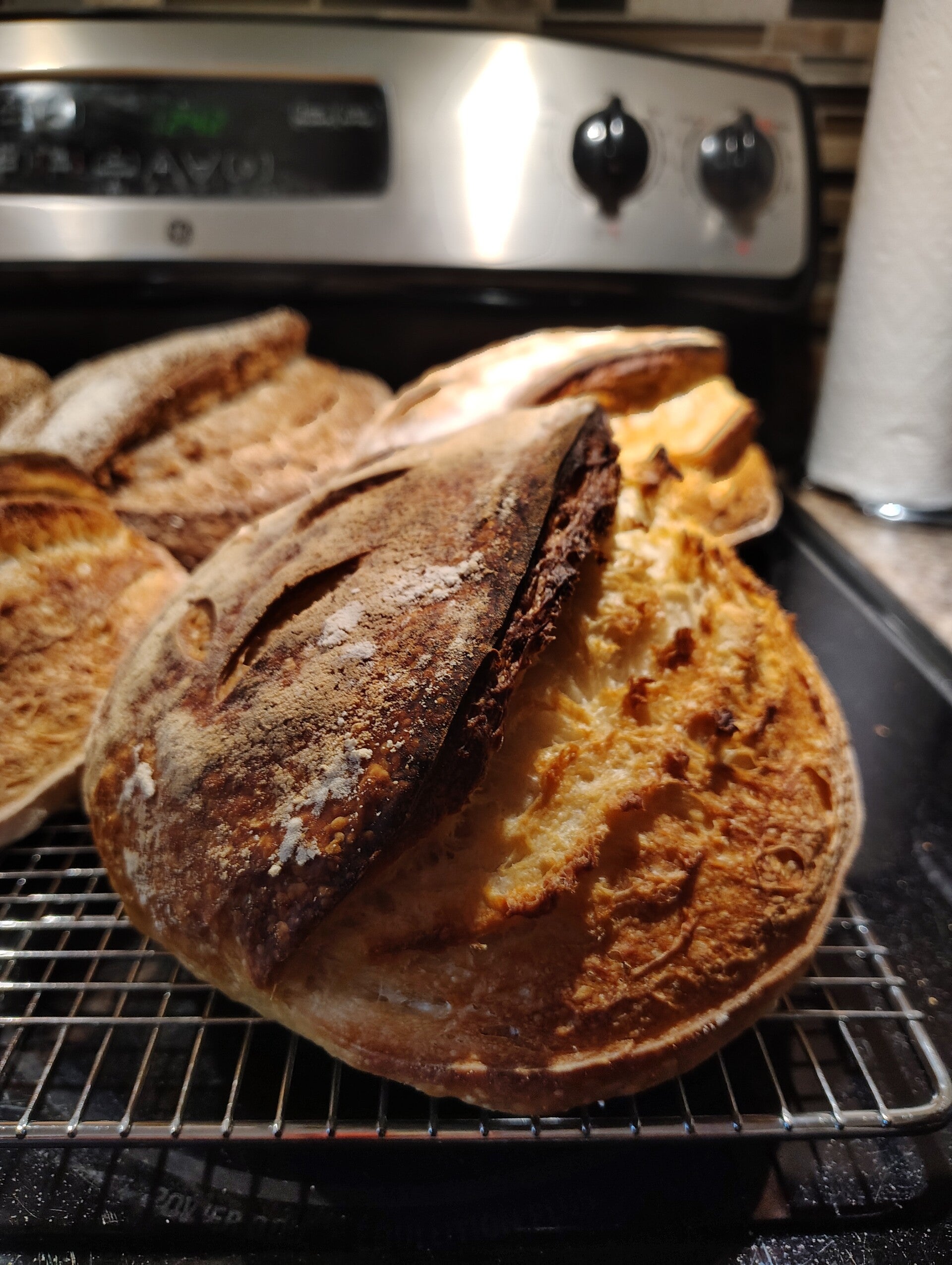
Then came 2020.
Like so many others during the COVID pandemic, I found myself drawn back to sourdough. THis time, however, I decided things would be different. Before I even found a starter, I immersed myself in learning everything I could. I read books, watched countless videos, comparted methids, and dug thrugh article after article.
My mom has always laughed and said that whenever I become interested in something, I "dissect it to death".
She's absolutely right.
I love researching, comparing information, and separating reliable techniques from endless stream fo misinformation that exists online. Well no, that's not exactly true. I would prefer to just type in what I want to know and reliable information pops up, but there is something exciting and rewarding knowing you picked out the bits of truth, to you, when doing research. I just wish it didn't take so much time!
Once I felt confident that I truly understood the fundamentals, I finally found a healthy, active sourdough starter. I know you can start your own, but after multiple fails, most likely because I had a kombucha starter going too close to it, I decided to go with an established starter. This was my official begining of my sourdough journey.
And, as usual...I jumped in with both feet.
One of the hardest lessons for me has been remembering to pace myself. When I discover something I love, I want to try everything!
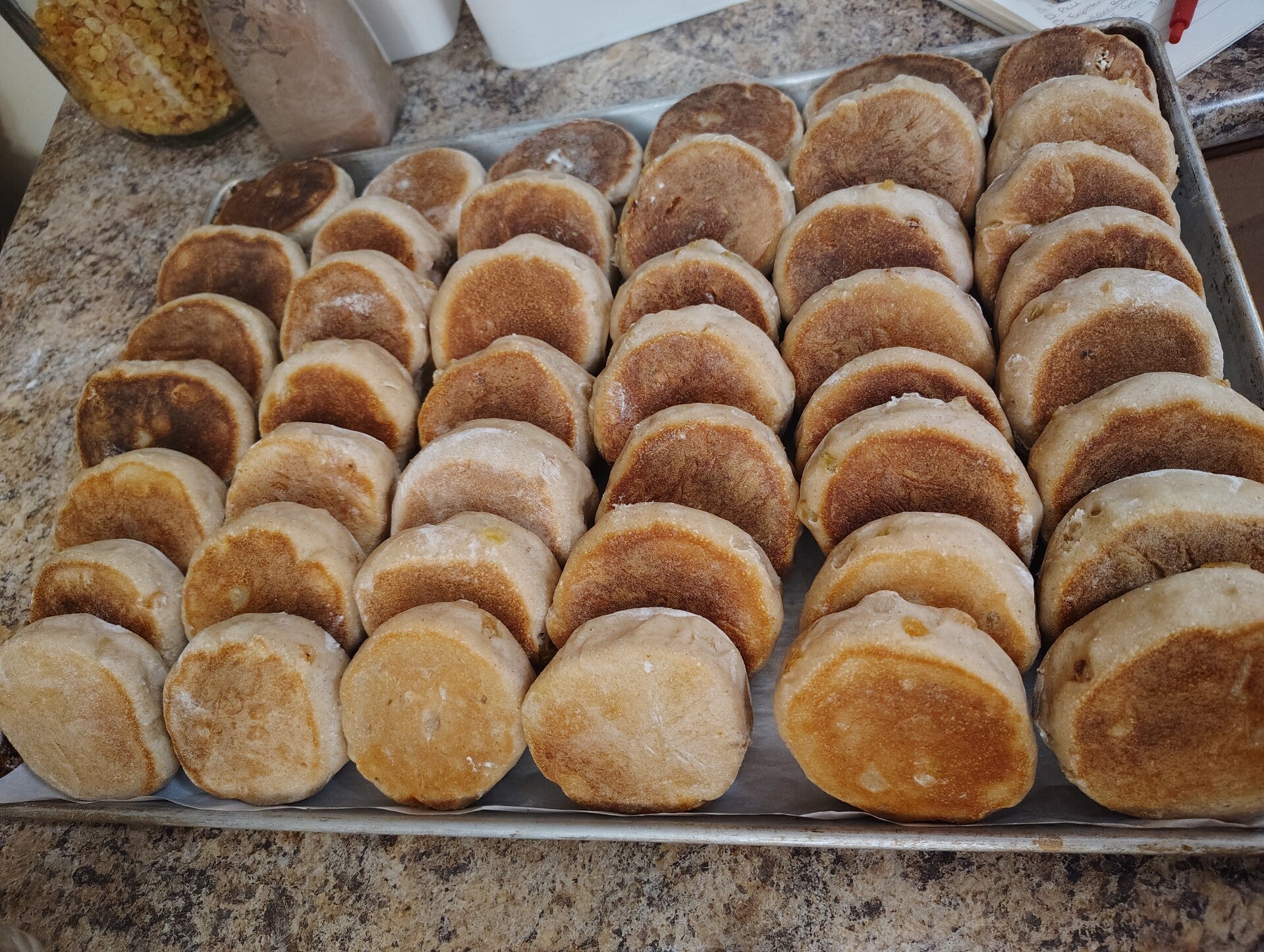
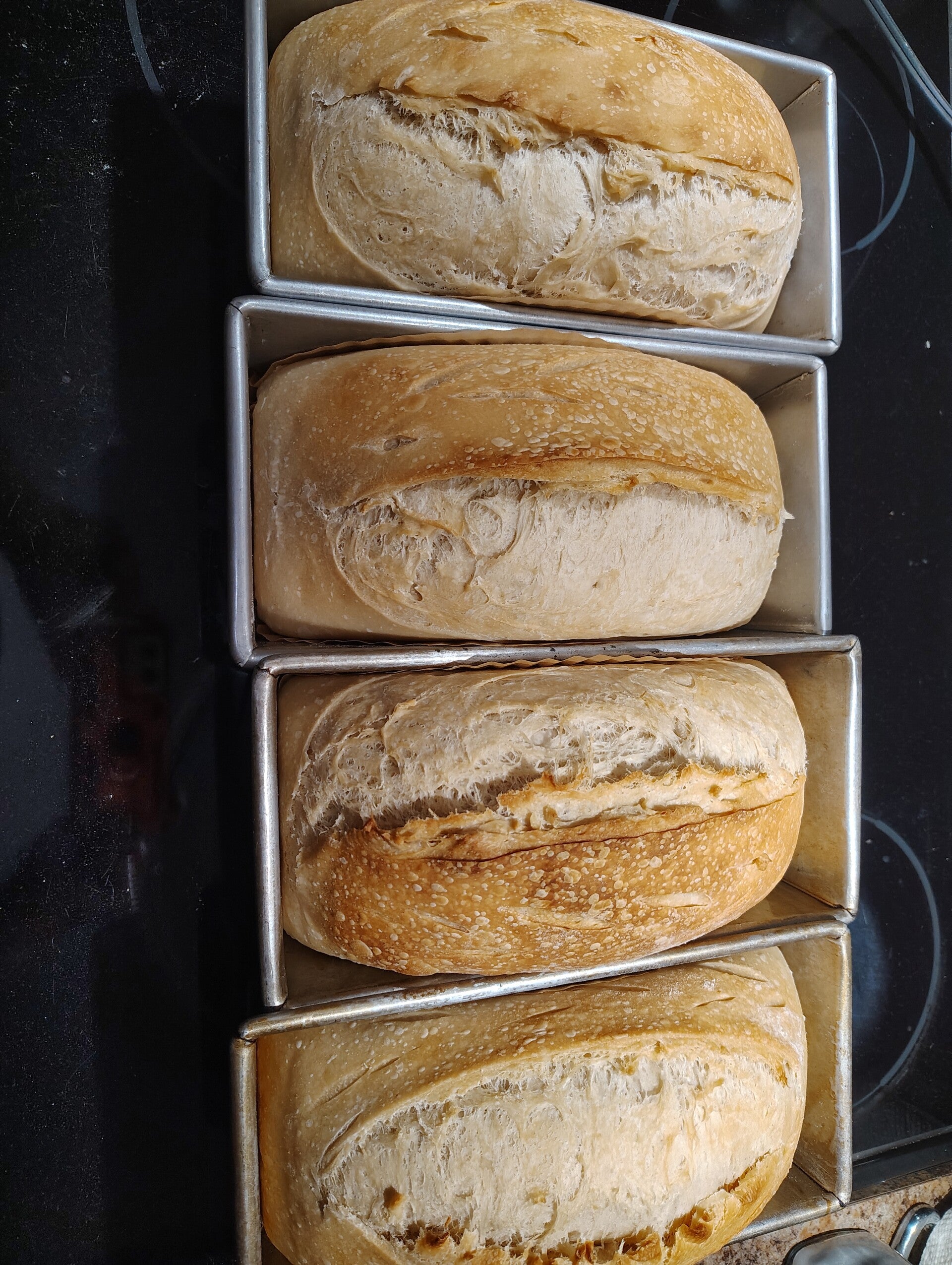
Loaves of every kind. Rustic artisan bread. Sandwhich bread. Mix-in loaves bursting with cheese, herbs, or fruit. Pancakes. Waffles. Pizza dough. Cinnamon rolls. Soft pretzels. English muffins. Bagels. Bread twists. Cakes. Cookies. Brownies. Even sourdough icing!
If ther was a recipe that could use sourdough, I wanted to make it.
THere have been days when I've gone through more that 20 kilograms of flour in a single cooking session, filling the kitchen with the smell of fresh bread and every available surface with cooling baked goods.
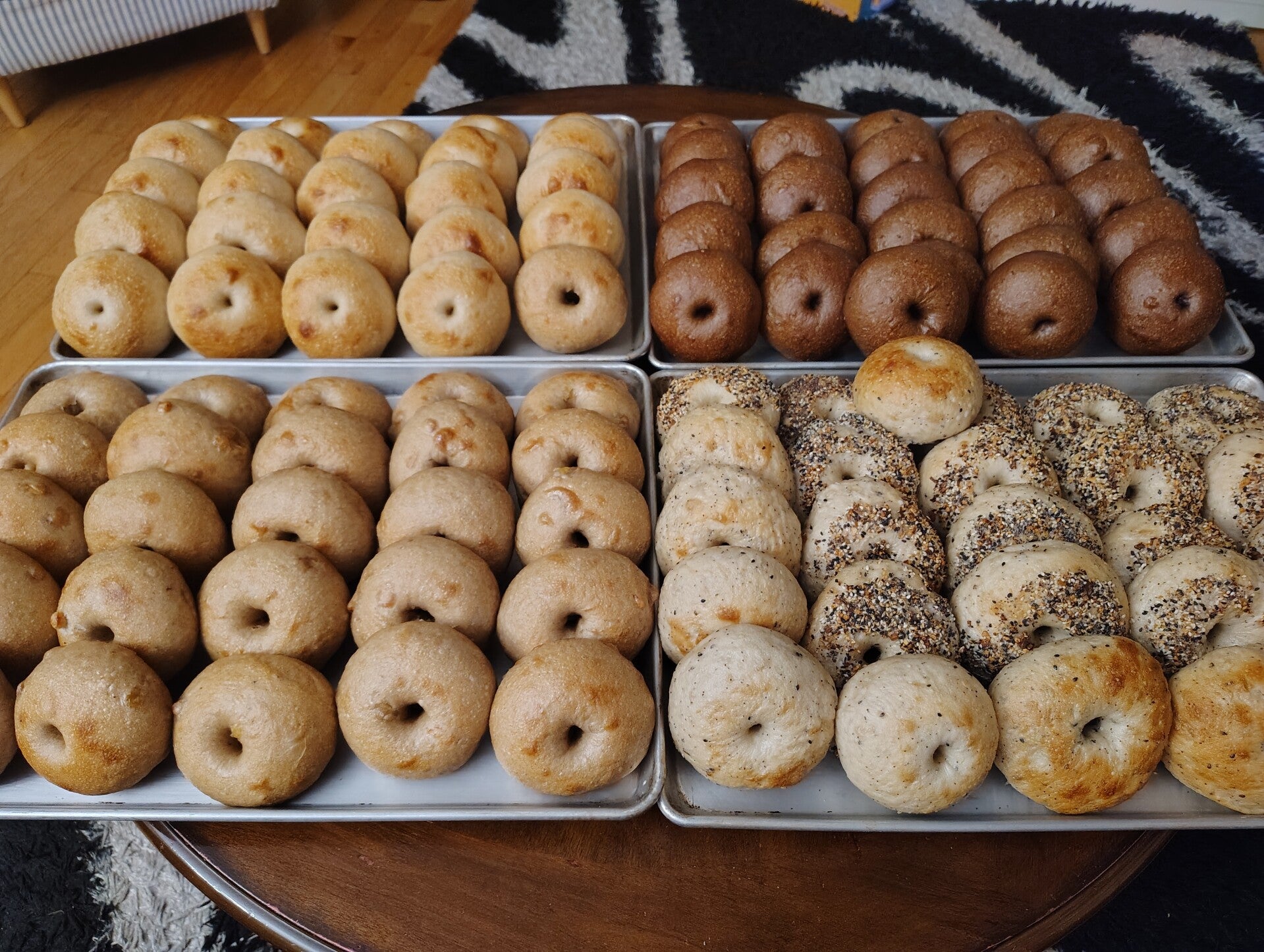
Of course, there was no way our family could eat it all.
So I shared.
Neighbours received warm loaves on their doorsteps. Daycare families took home fresh treats. Family members became happy taste testers. Friends were gifted baked goods just because. Every freezer in the house became packed full, with every little space filled by another loaf, batch of rolls, or container of sourdough goodies.
For me, that's one of the greatest joys of sourdough.
It isn't simply about making bread. It's about slowing down in a busy world, creating something by hand, continuing traditions, learning new skills, and sharing the results with the people around you.
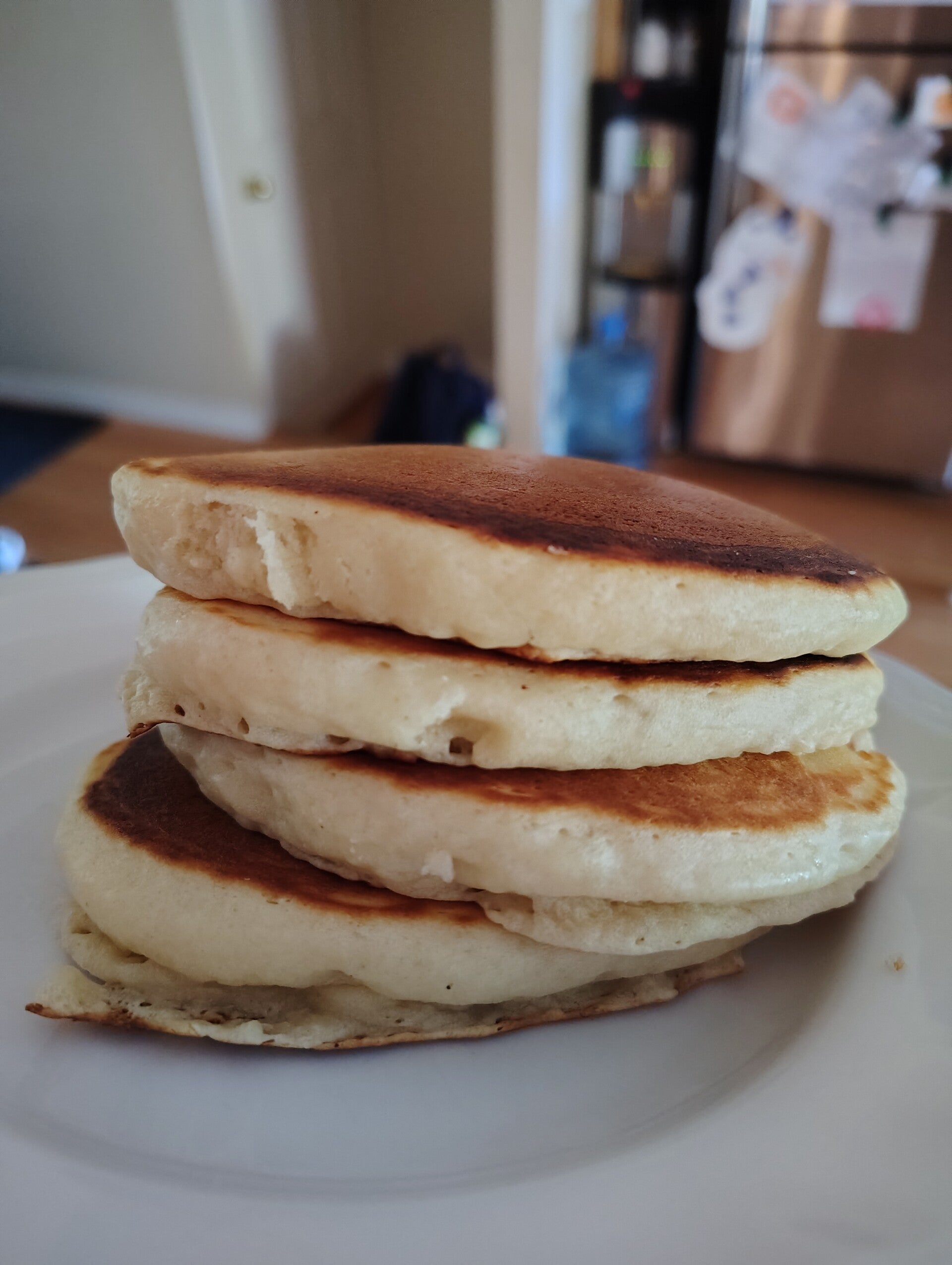
Sourdough has taught me patience, persistence, and the simple pleasure of creating wholesome food from a living starter that, with proper care, can last for generations.
Whether you're just beginning your own sourdough adventure or you've been baking for years, I hope you'll be inspired here. From artisan breads and everyday sandwhich loaves to discard recipes, sweet treats, and family favourites, I'd love to share what I've learned along the way.
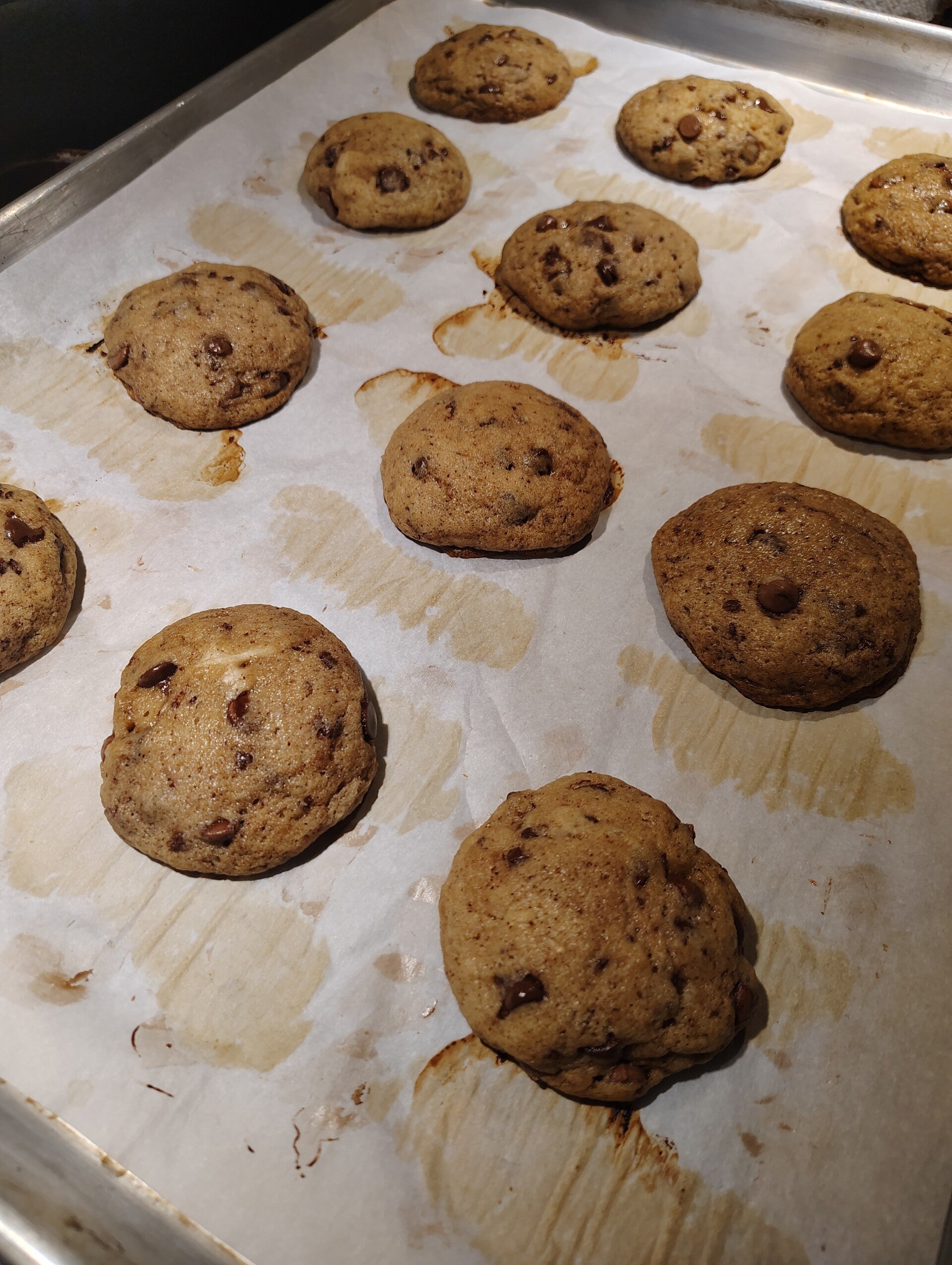
What Sourdough Has Taught Me
Every loaf has been a lesson, and while I'm still learning, these are some of the biggest things wourdough has taught me along the way.
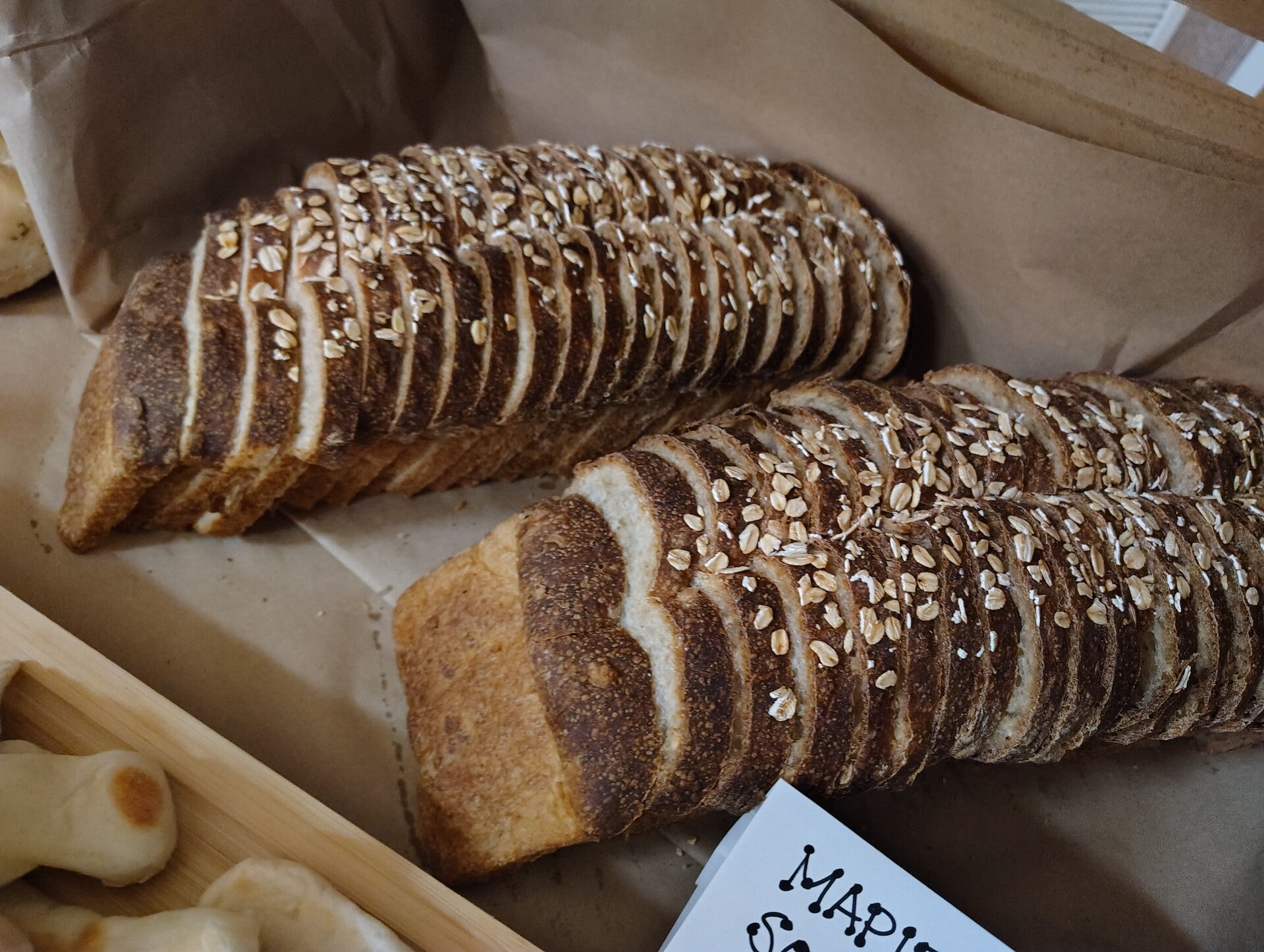
Start With a Healthy, Active Starter
A strong, bubbly starter is the foundation of great sourdough. If your starter isn't active and ready to bake with, your dough won't have the dtrengh it needs to rise properly. Taking the time to feed your starter and wait until it's at its peak is always worth it.
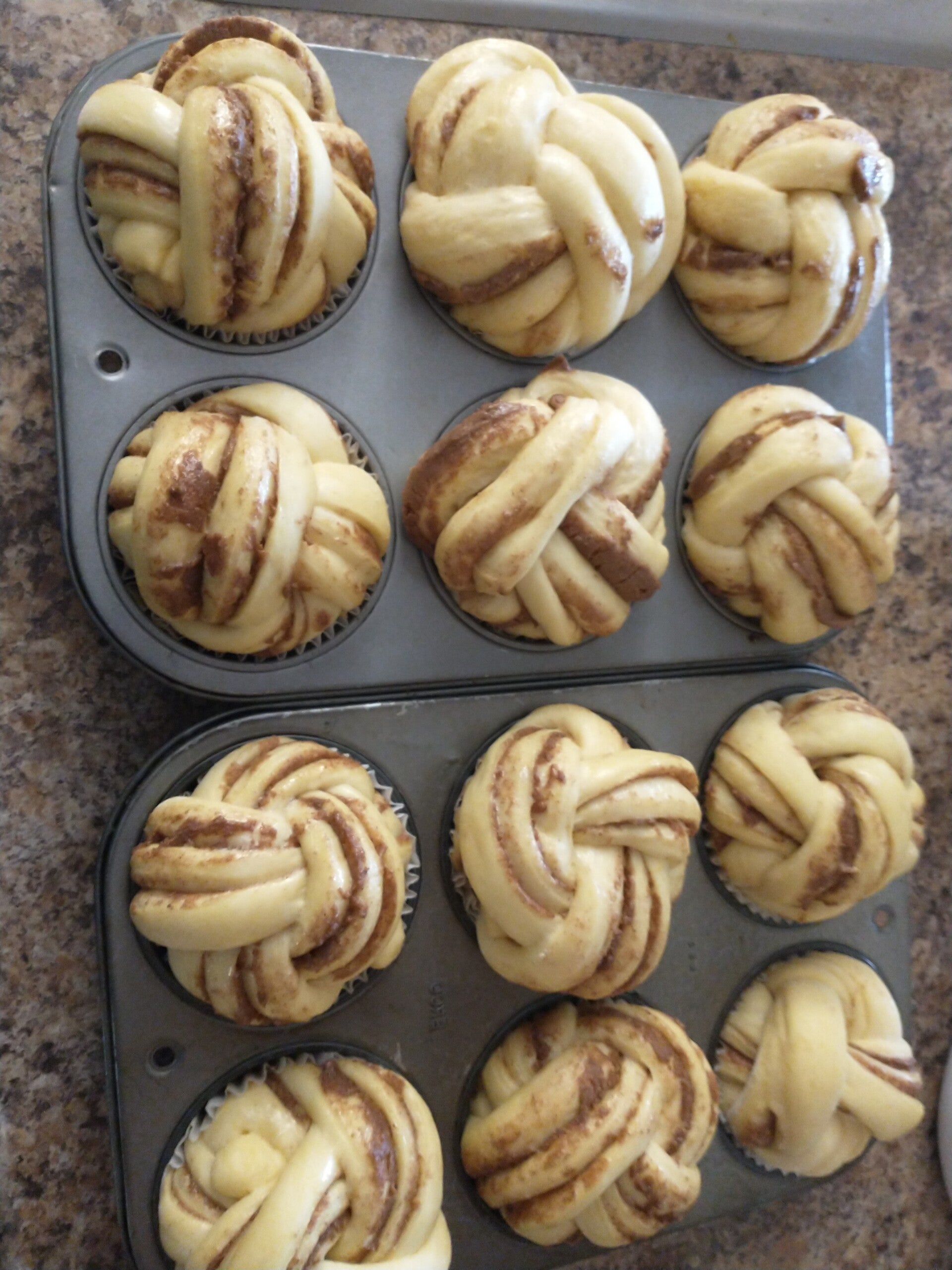
You Don't Need Mountains of Discard
One of the biggest misconceptions I see is that everyone needs containers and containers of sourdough discard sitting in the fridge. In reality, with a little planning and some simple math, you can maintain your starter with very little or even no discard at all. Feed only what you need, and you'll save both flour and refrigerator space.
Active Starter Works Just Fine in "Discard" Recipes
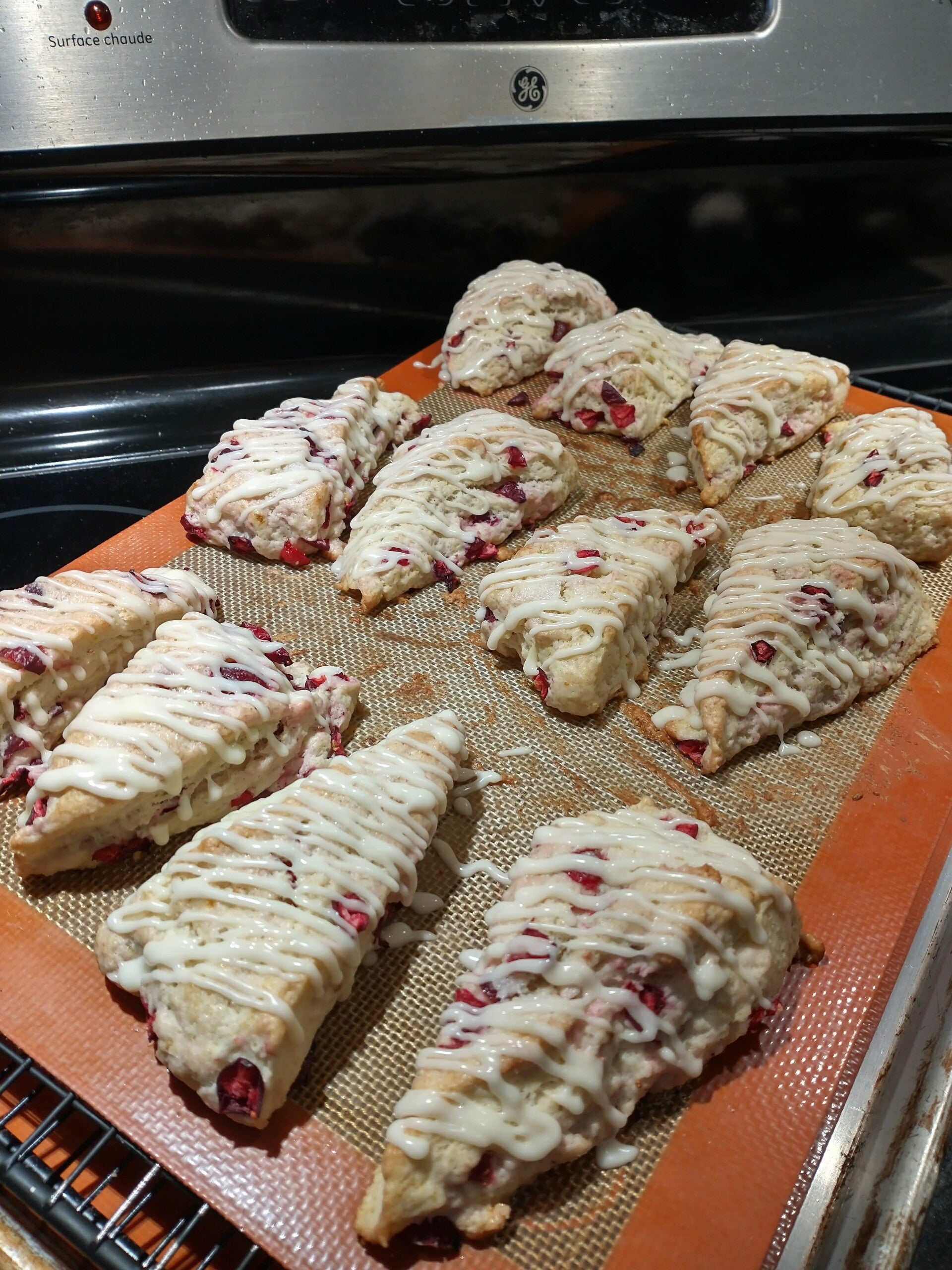
Many recipes are lableled as discard recipes simply because they're a convenient way yo use extra starter. The truth is, they work beautifully with an active starter too. If you don't keep discard on hand, don't let that stop you from making pancakes, waffles, crackers, muffins, cookies, or any of your other favourite recipes.
Fresh Is Best
Discard that has been sitting in the refrigerator for a short time is generally fine to use in baked recipes. However, very old discard can develop unwanted bacteria, excessive acidity, or spoilage. If it smells unpleasant or you're unsure how long it's been there, it's better to throw it away then rish giving yourself or anyone else; and unpleasant trip to the bathroom!
Weigh Your Ingredients
If there's one habit that made the biggest difference in my baking, it was buying a kitchen scale. Measuring ingredients by weight instead of cups gives much more consistent results. Flour can vary significantly depending on how it's scooped, but grams never change.
Patience Really Is an Ingredient
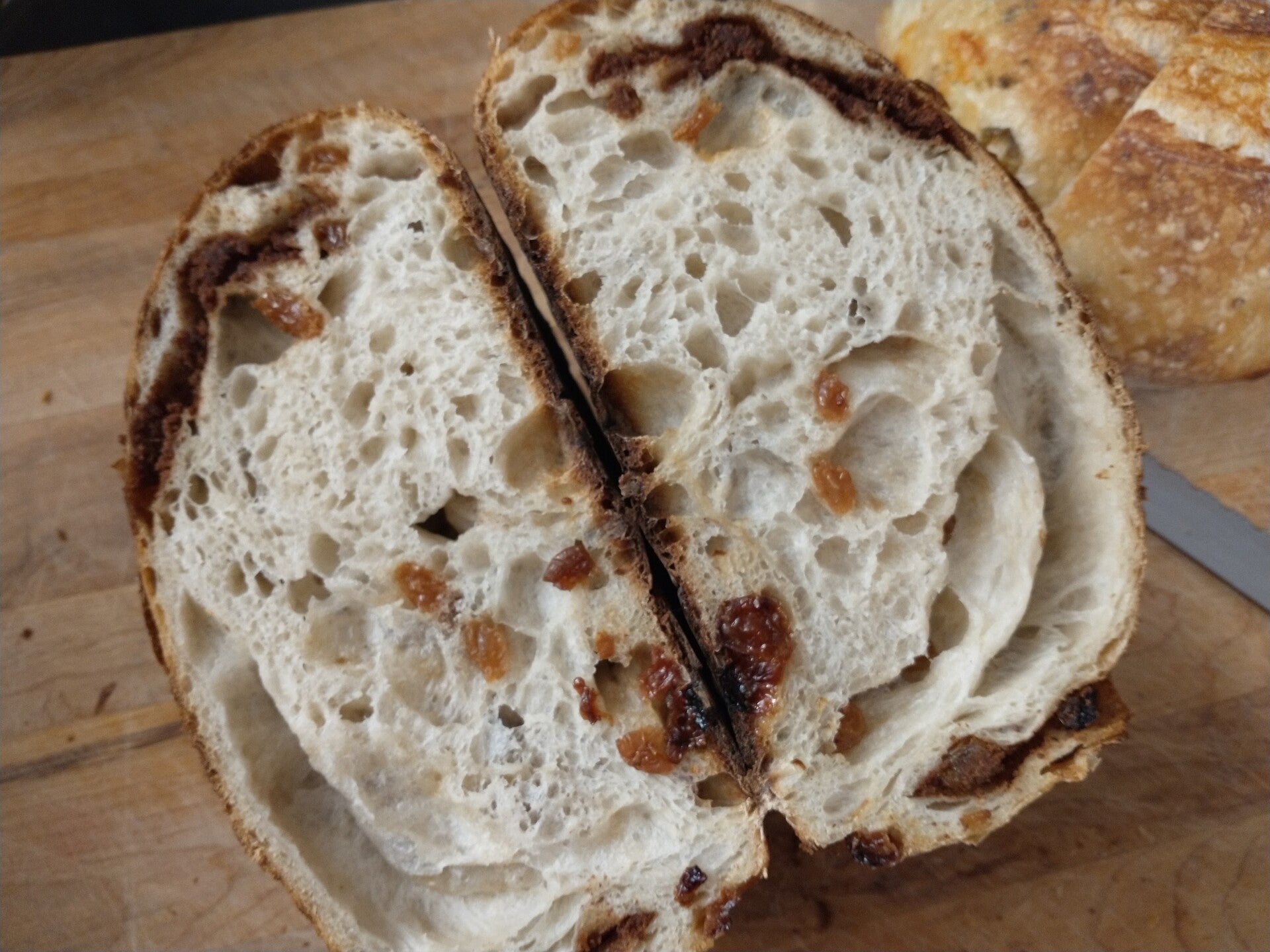
Sourdough has it's own schedule, and it doesn't always match ours. Temperature, humidity, flour, and even the seasons can change how quickly your dough ferments. Learning to watch the dough instead of the clock has made me a much better baker.
Bake It Anyways
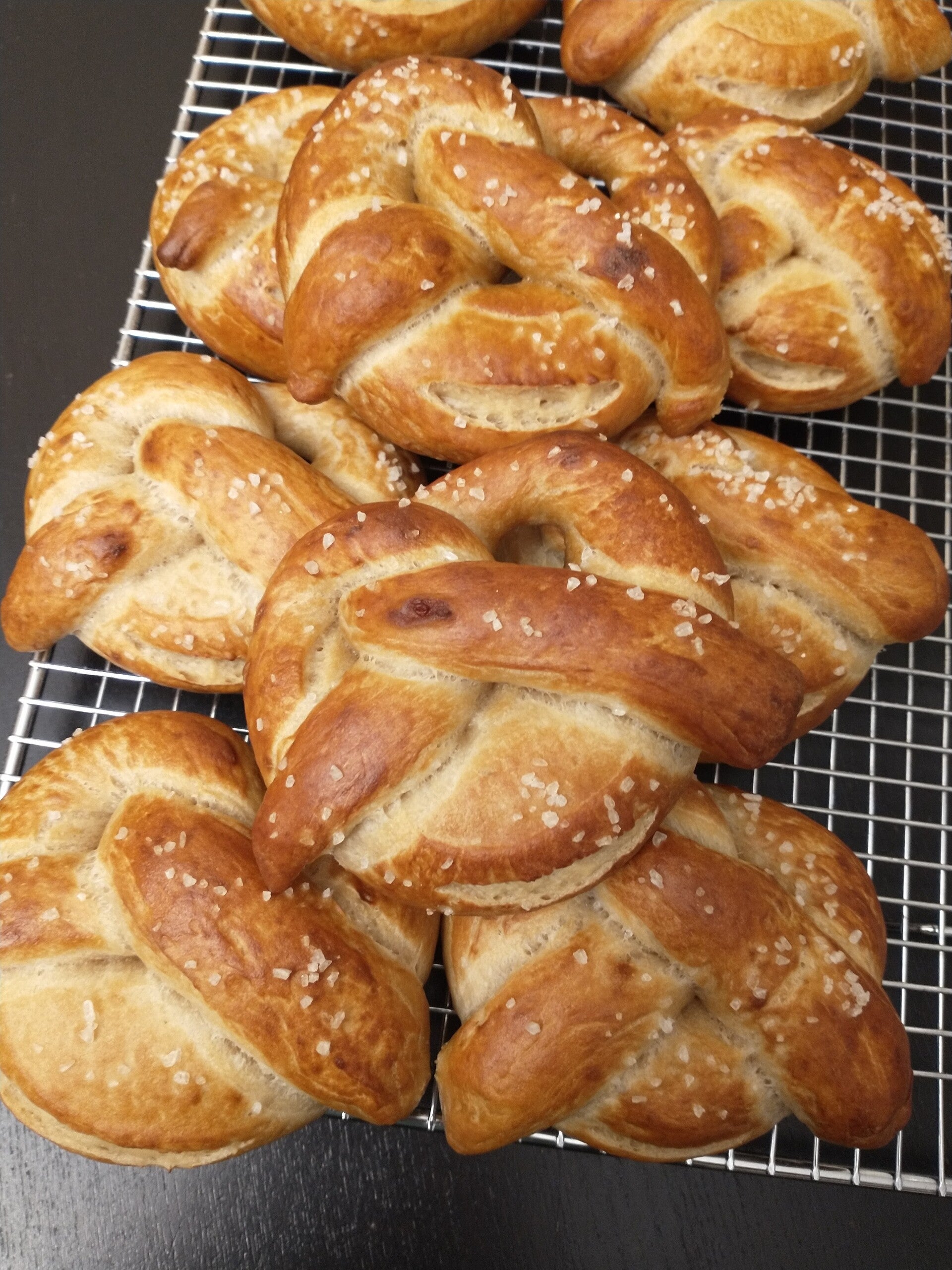
Not every loaf looks perfect before it goes into the oven. I've had dough that seemed too sticky, too flat, over-proofed, or just plain questionable. More often than not, I baked it anyway and many of those "failed loaves" turned out surprisingly delicious. Sourdough has a funny way of rewarding patience and a little faith.
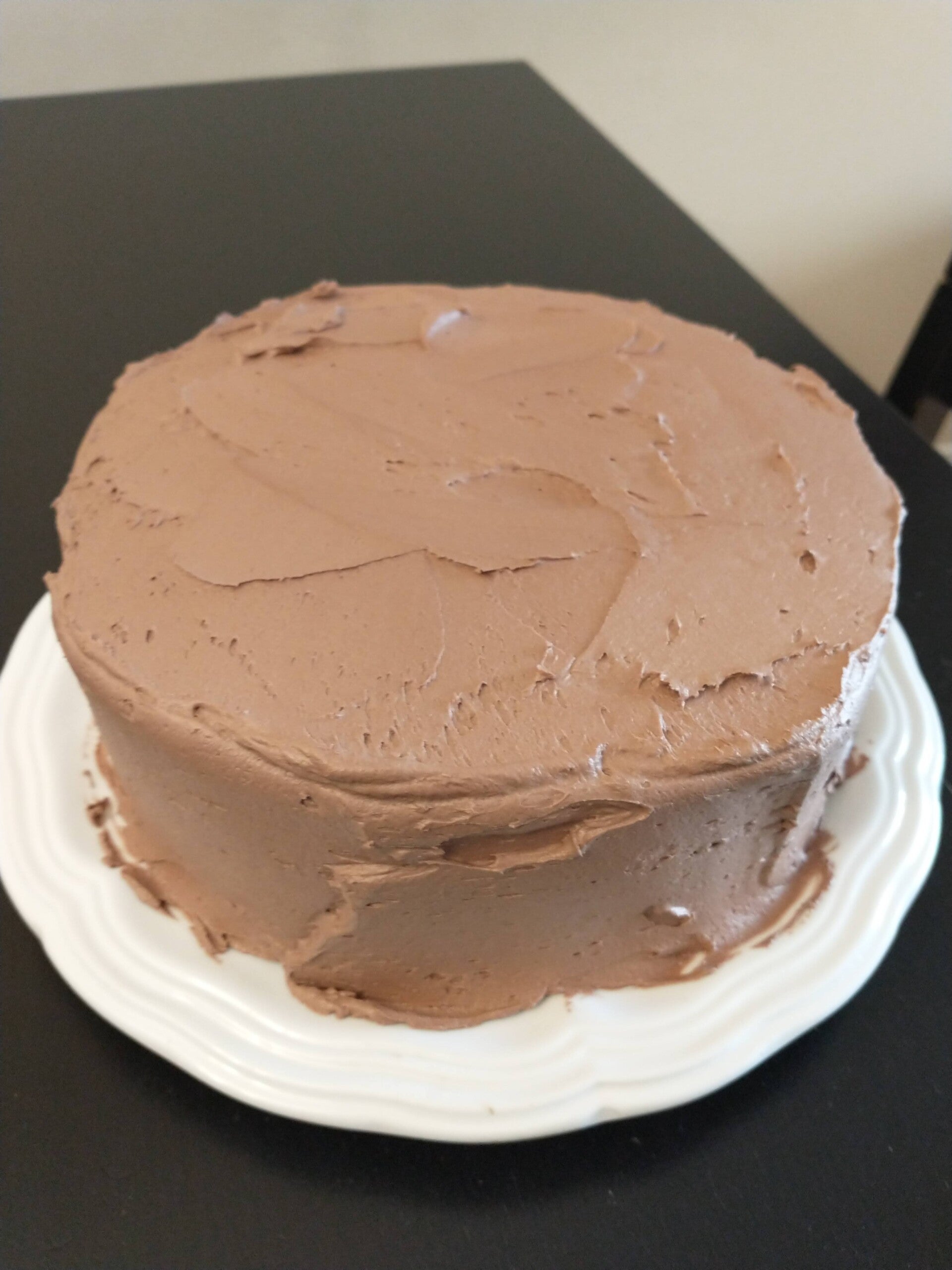
Above all, sourdough has reminded me that baking isn't about perfection. It's about learning, experimenting, making mistakes, and celebrating the delicious success that come from sticking with it.