Lion House Rolls (Utah’s Famous Dinner Rolls)
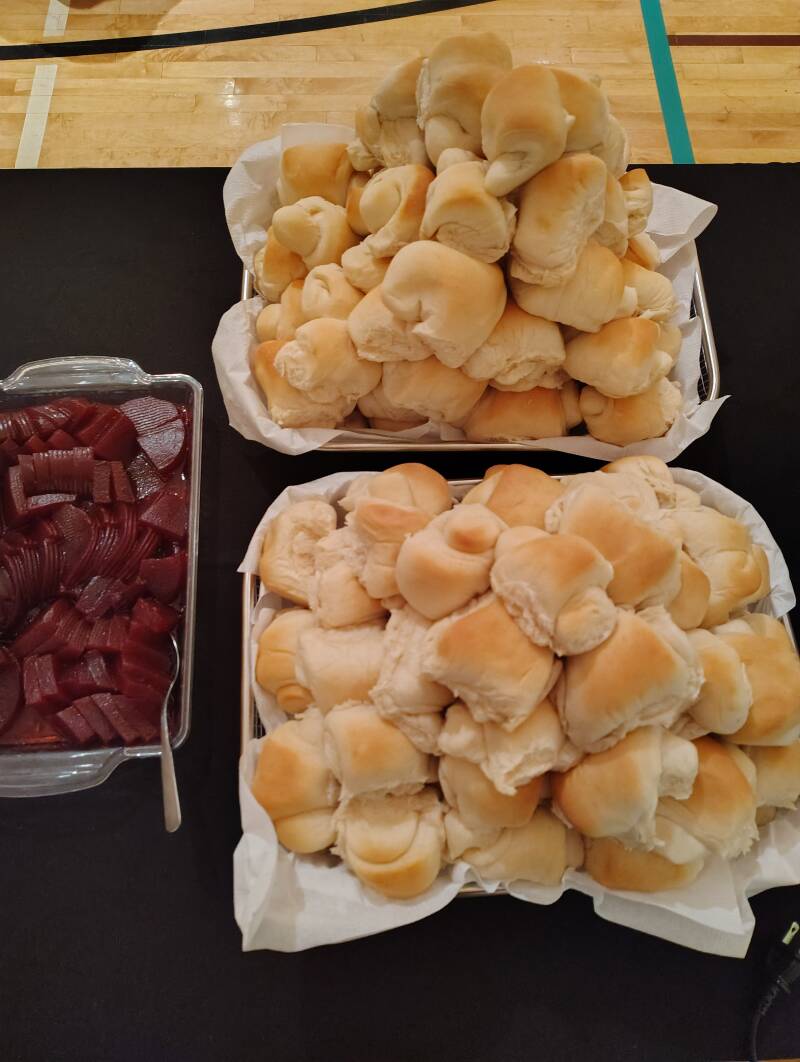
Lion House Rolls are legendary for a reason. First served at the historic Lion House Restaurant in Salt Lake City, these soft, buttery crescent rolls have become a symbol of welcoming tables, special dinners, and shared celebrations. Light, tender, and just slightly sweet, they’re the kind of roll that disappears almost as quickly as it’s set down. This recipe stays true to the classic method, producing three dozen rolls that are perfect for holidays, Sunday dinners, or anytime you want something truly special from the oven.
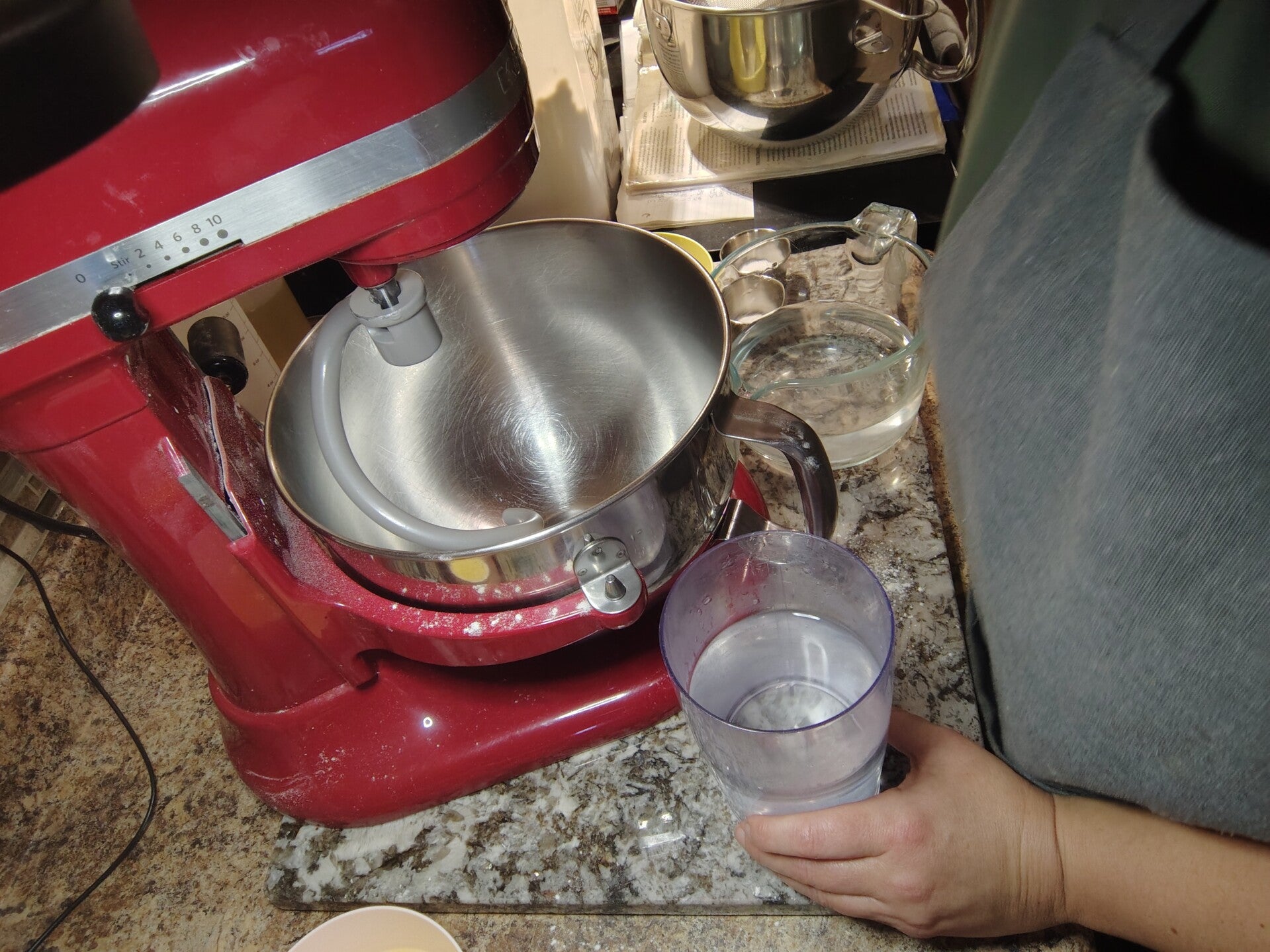
Begin by mixing the yeast, warm water, and a small portion of the sugar in a large bowl. After a few minutes, the surface should become foamy and bubbly, your first sign that the dough is off to a good start.
Once the yeast is active, add the remaining sugar, shortening, salt, powdered milk, egg, and part of the flour. Mixing at this stage brings everything together into a smooth, creamy base before the dough thickens.
Continue adding flour slowly, allowing the dough to come together naturally. You’re looking for a soft dough that pulls away from the sides of the bowl but still feels tender to the touch.
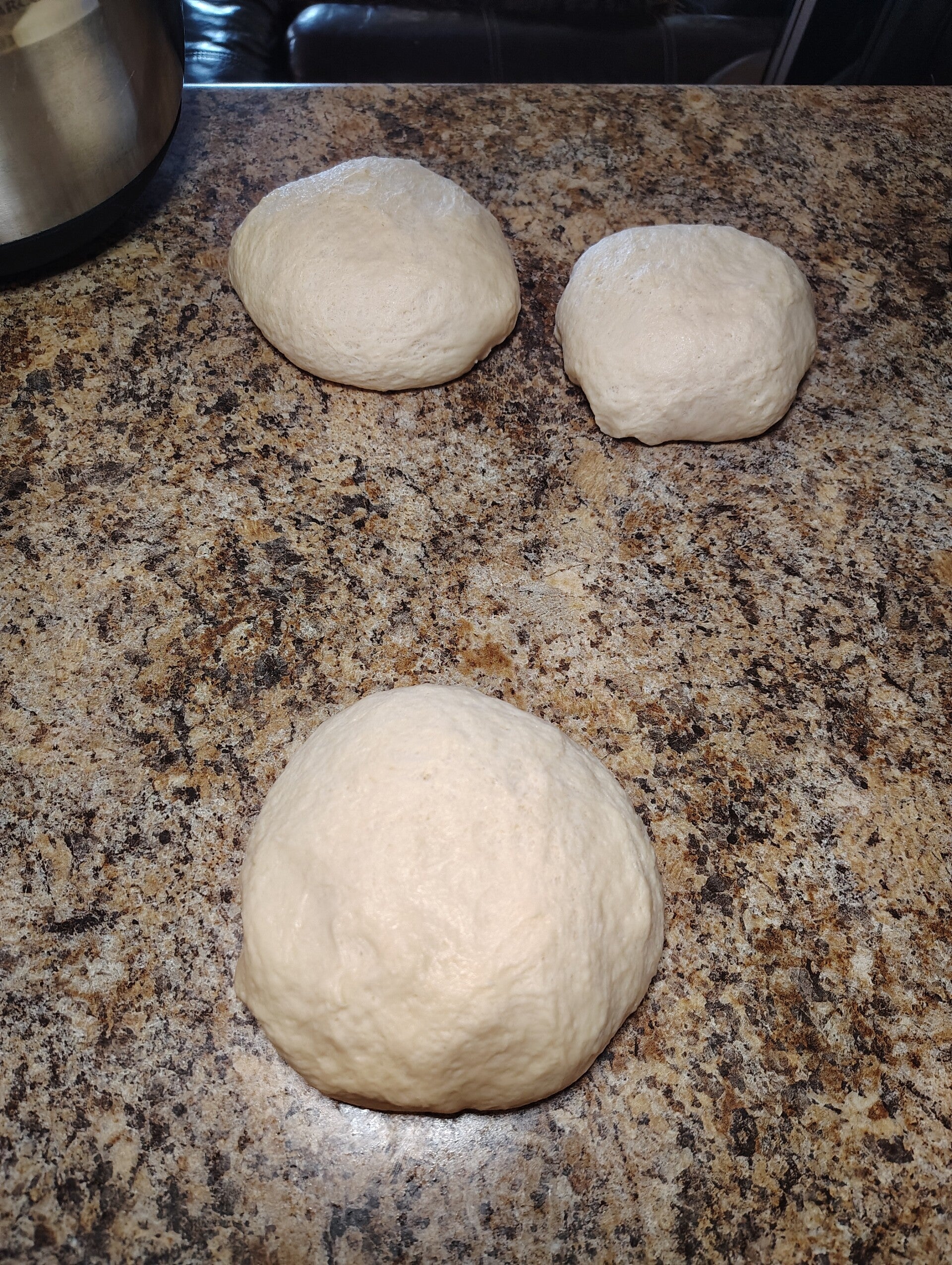
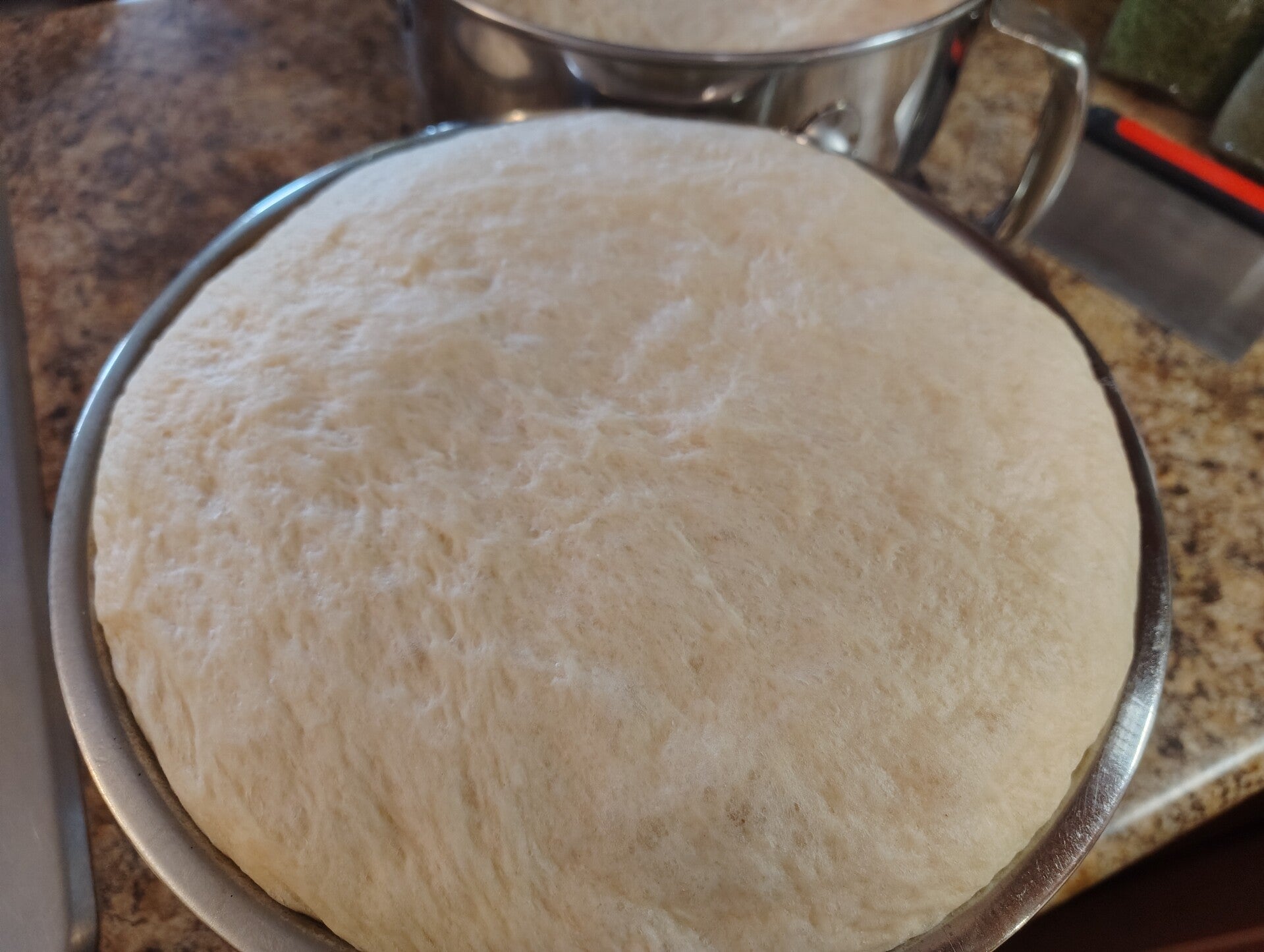
Shape the dough into a smooth ball and place it in a lightly oiled bowl. Cover and set it in a warm spot, giving it time to double in size. This slow rise is what gives the rolls their signature light texture.
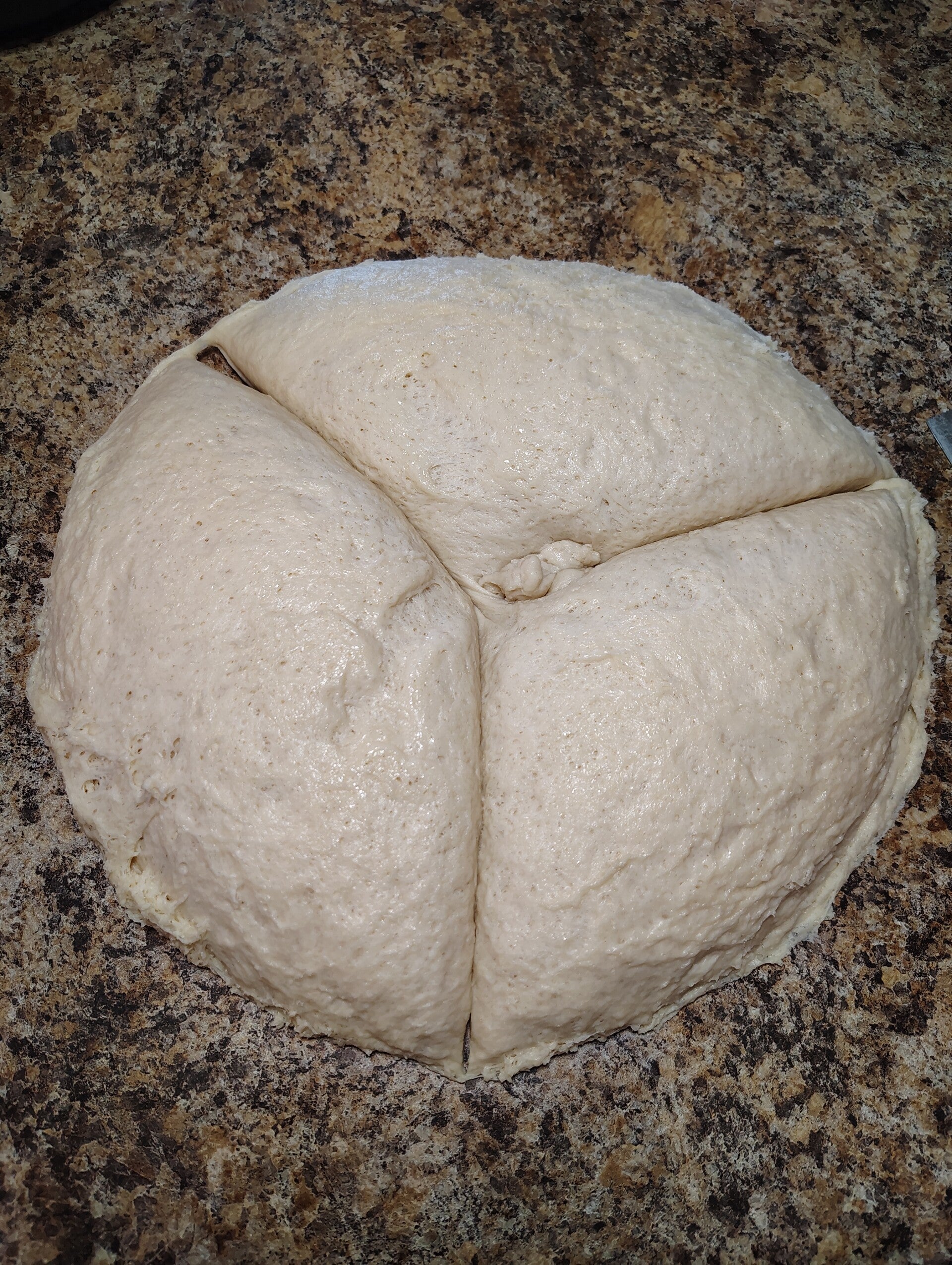
Once risen, gently turn the dough out onto a floured surface and divide it into three even portions. Shape each piece into a ball, keeping the dough relaxed and airy.
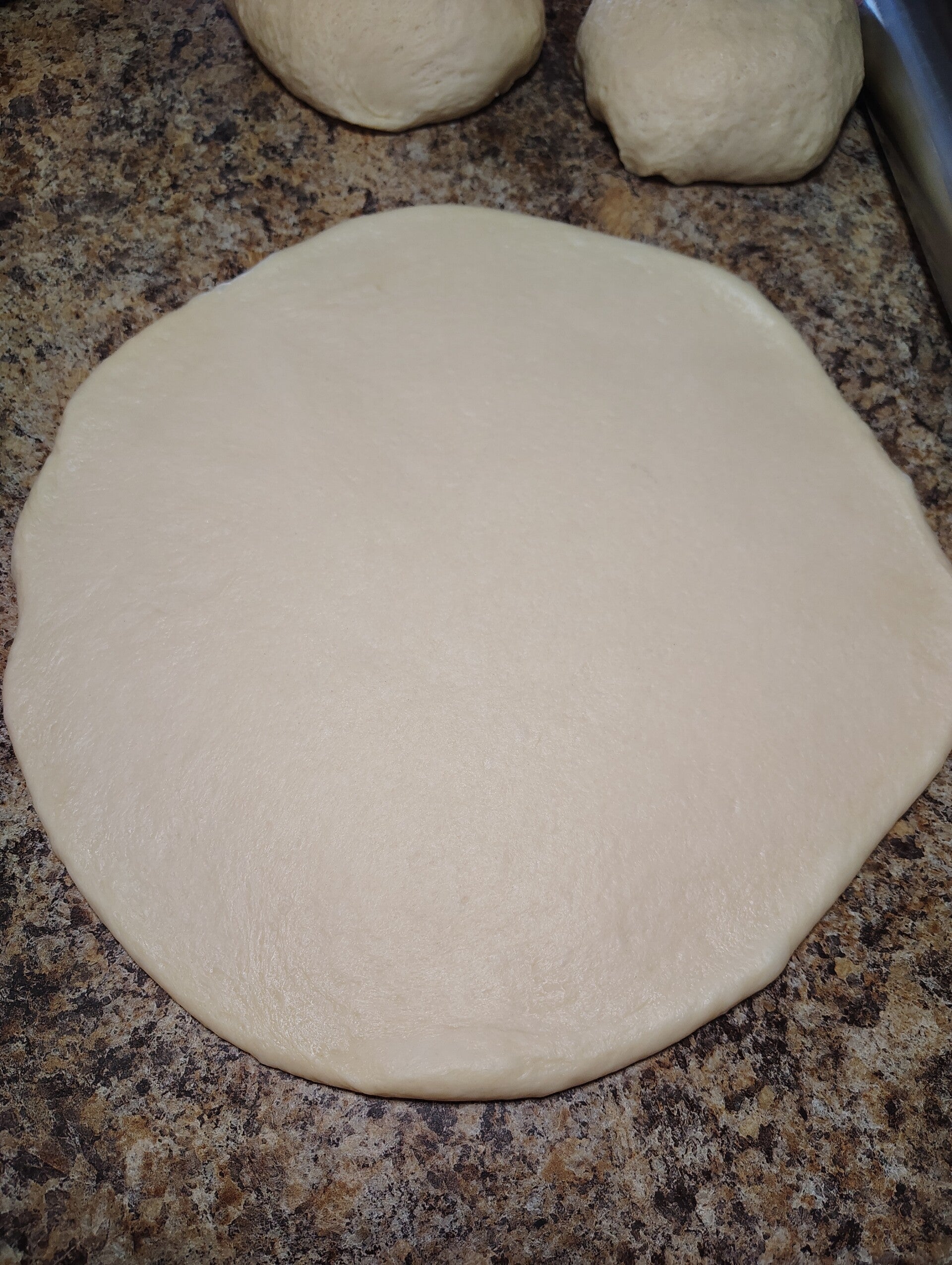
Roll one dough ball into a 12-inch circle. Brush lightly with melted butter, which adds flavor and helps create those delicate layers when the rolls are shaped.
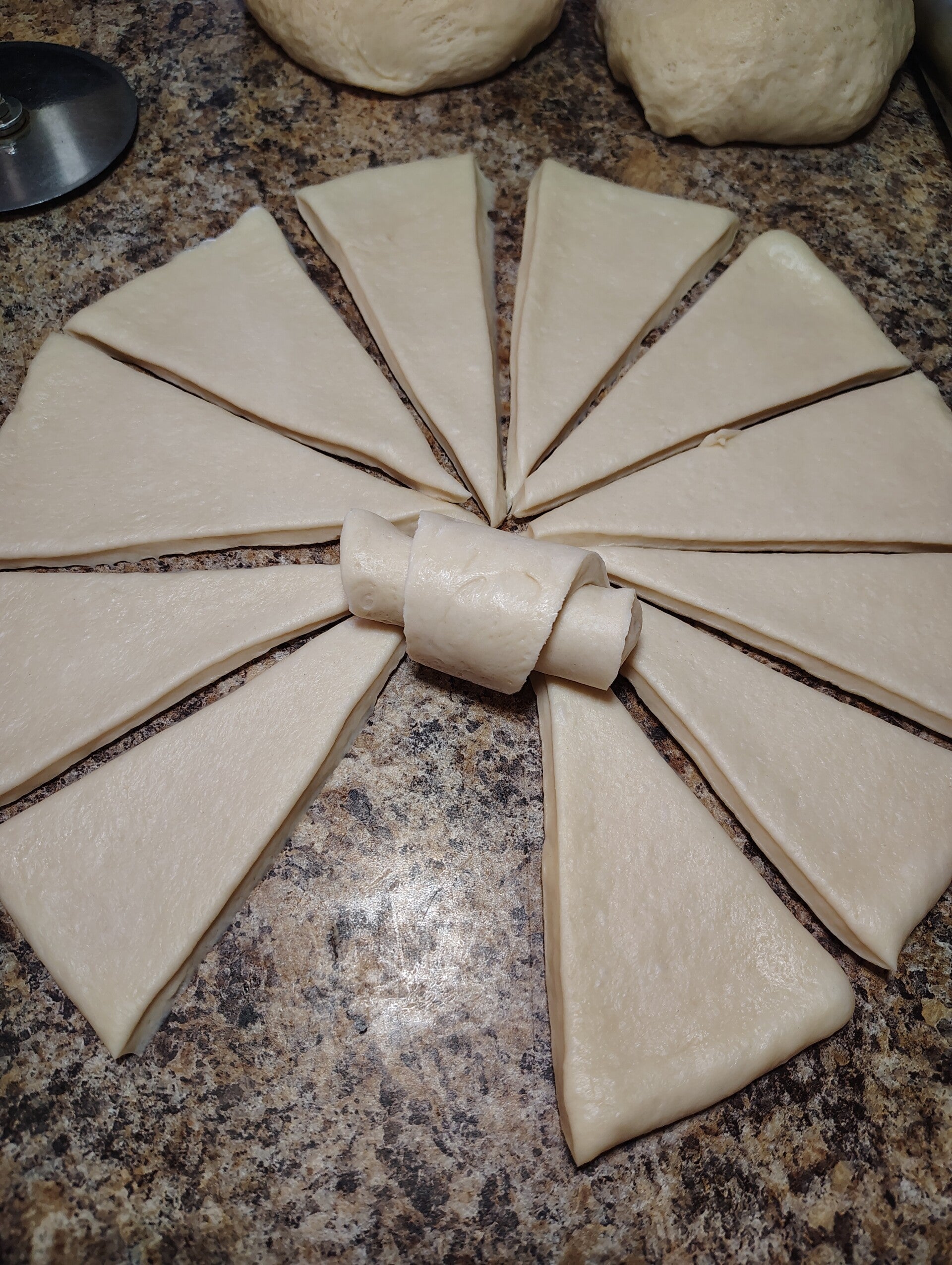
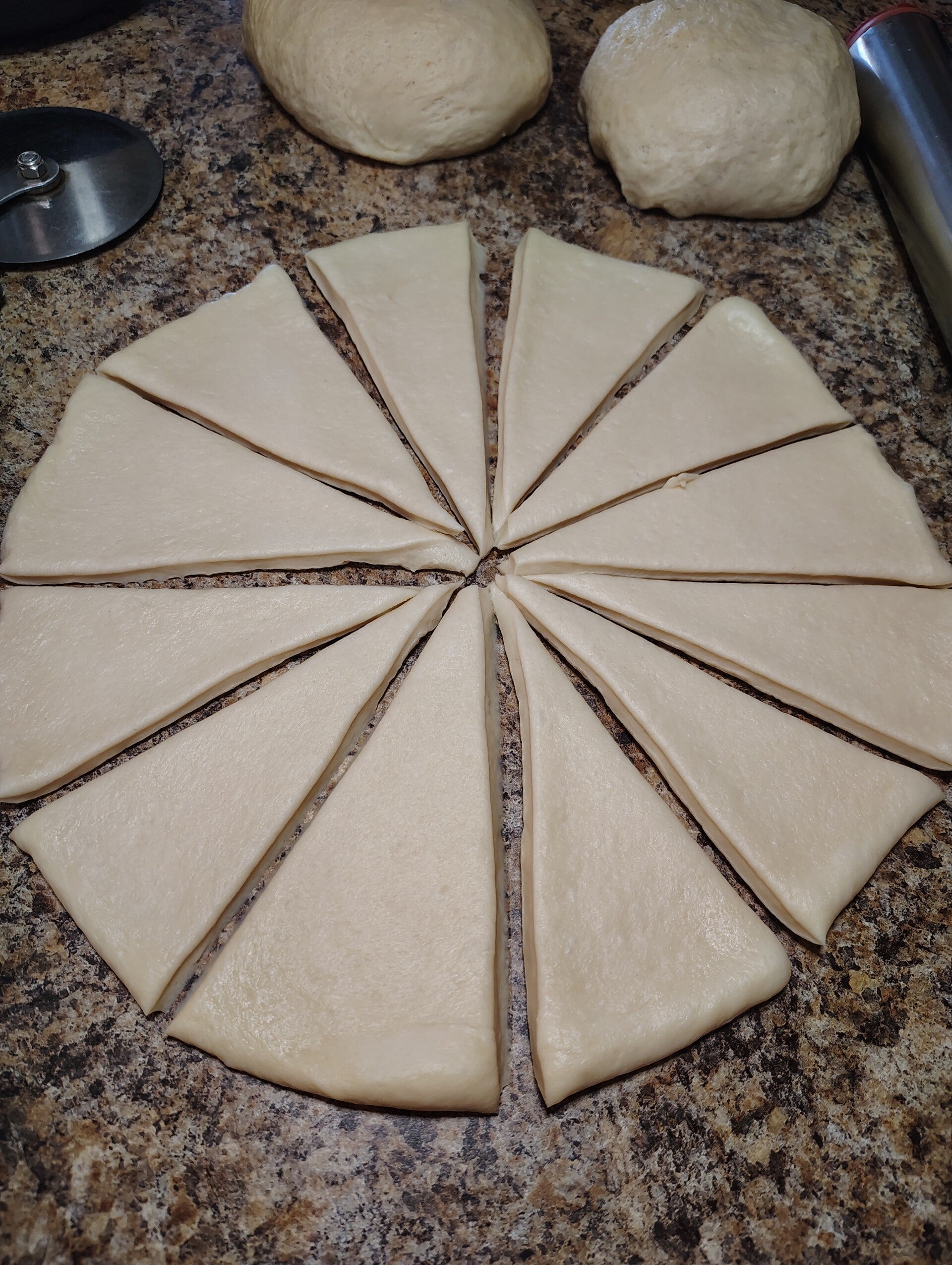
Cut the circle into 12 wedges, like a pie. Starting at the wide edge, roll each piece toward the point to form a classic crescent shape. Place seam-side down on a parchment-lined baking sheet.
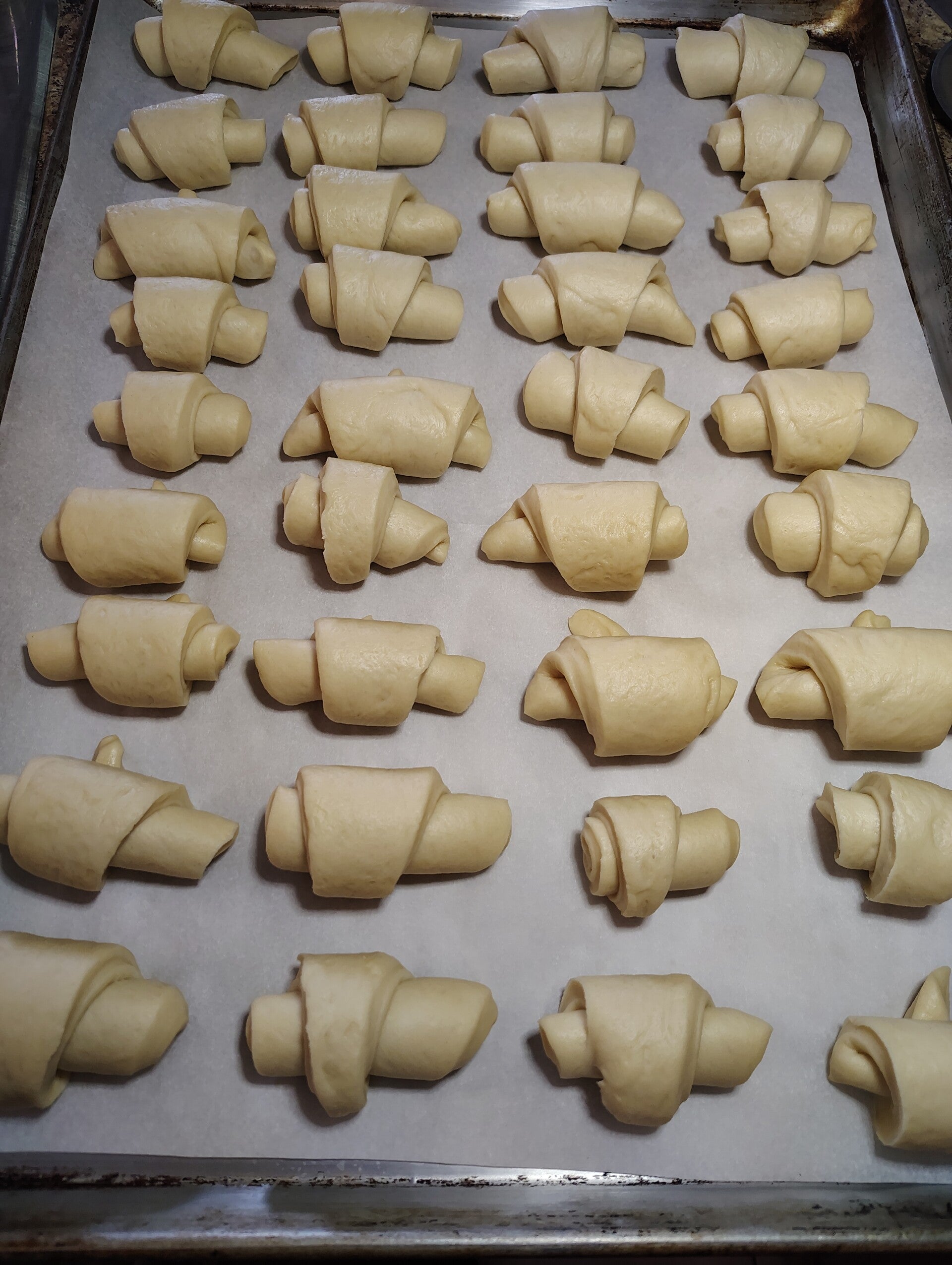
Brush the shaped rolls with more melted butter if desired, cover loosely, and allow them to rise again until doubled. This second rise gives the rolls their final lift and softness.
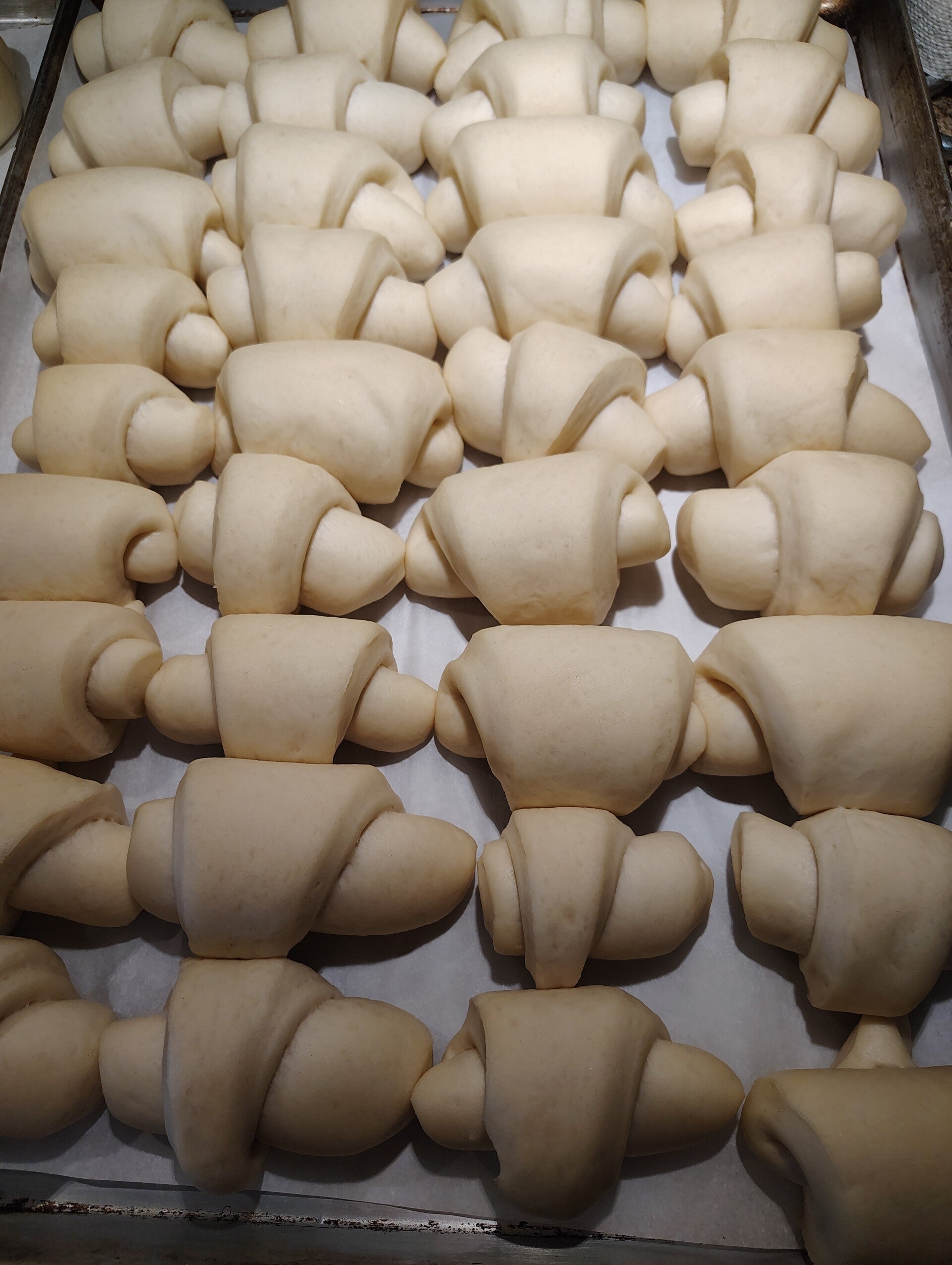
Bake until the tops are beautifully golden and the kitchen smells irresistible. A final brush of butter right after baking is optional, but adds that familiar Lion House finish.
Begin by mixing the yeast, warm water, and a small portion of the sugar in a large bowl. After a few minutes, the surface should become foamy and bubbly—your first sign that the dough is off to a good start.


Lion House Rolls
Makes about 3 dozen rolls
Ingredients
-
2 tablespoons active dry yeast
-
2 cups warm water
-
¼ cup plus 2 tablespoons granulated sugar
-
⅓ cup shortening, margarine, or butter, at room temperature
-
2 teaspoons salt
-
⅔ cup nonfat dry milk
-
1 large egg
-
5–6 cups all-purpose flour or bread flour
-
Melted butter or margarine, for brushing
Instructions
-
In a large bowl, combine yeast, warm water, and 2 tablespoons sugar. Let stand for 5 minutes, until bubbly and activated.
-
Add remaining sugar, shortening, salt, dry milk, egg, and 2 cups flour. (Sift the flour and dry milk together to prevent clumping.) Mix with a dough hook until smooth.
-
Gradually add remaining flour until a soft dough forms and pulls away from the sides of the bowl.
-
Shape dough into a ball. Lightly oil the bowl, return dough to bowl, cover, and let rise in a warm place until doubled, about 1 hour.
-
Turn dough onto a lightly floured surface and divide into three equal portions. Shape each into a ball.
-
Roll one ball into a 12-inch circle. Brush lightly with melted butter. Cut into 12 wedges.
-
Roll each wedge from the wide end toward the point to form crescents. Place seam-side down on parchment-lined baking sheets. Repeat with remaining dough.
-
Brush tops with melted butter if desired. Cover and let rise until doubled, 30–60 minutes.
-
Bake at 400°F for 10–15 minutes, until golden brown. Brush with butter after baking if desired. Serve warm.
Freezing Instructions
-
Baked rolls freeze well once cooled completely.
-
Unbaked rolls can be frozen after shaping (before the second rise). Freeze on a baking sheet, then transfer to a freezer bag. Thaw completely, allow to rise until doubled, and bake as directed.
Notes
Brushing with butter before shaping, before rising, and after baking is optional. The rolls are delicious either way. Feel free to adjust based on preference.
