Why Backyard Gardening Matters
Welcome to All on a Postage Stamp: City Homesteading, where we explore the heart of why backyard gardening matters to our family. Over the years, we've received numerous questions about our urban homesteading journey. This page is dedicated to answering those questions and illuminating the profound impact backyard gardening can have, proving you don't need acres of land to grow food and connect with nature.
Addressing your gardening concerns
Starting a backyard garden can seem daunting, and we understand the hesitations. Common worries include: Do I have enough room? Is my soil nutritious enough? Do I have the time? Is it truly worth the effort? Where do I even begin? And what should I plant? At All on a Postage Stamp: City Homesteading, we are here to help you answer those questions, and provide solutions.

Small spaces, big yields
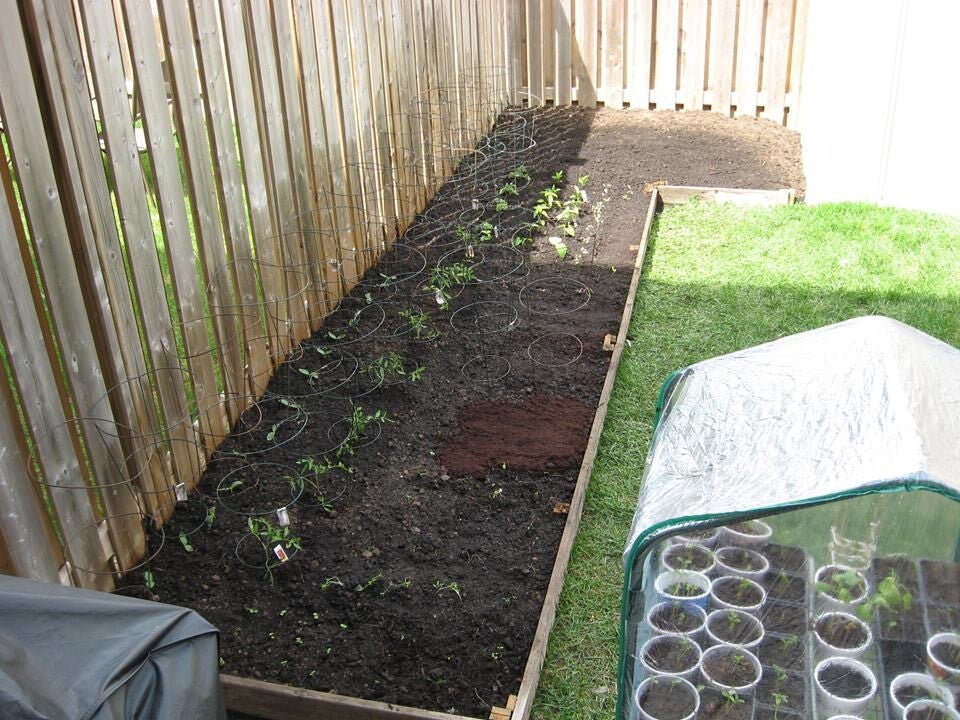
One of the most surprising and rewarding lessons we've learned is that no space is too small for a garden. You can even grow fruit trees in containers! Our experiences at All on a Postage Stamp: City Homesteading show that creativity and resourcefulness can transform even the tiniest urban space into a thriving food source.

Nourishing your garden and soul
Backyard gardening is more than just growing food; it's about nurturing your connection to the earth and enhancing your well-being. Join us at All on a Postage Stamp: City Homesteading as we delve deeper into the world of urban homesteading, sharing practical tips, inspiring stories, and delicious recipes that celebrate the fruits (and vegetables!) of our labour.
Cultivating a Sustainable Life One Backyard at a Time
In October 2016 we were approached by a writer exploring the rewarding world of backyard gardening. They were captivated by our deep commitment to nurturing a sustainable lifestyle through backyard gardening, raising chickens, beekeeping, food preservation, and self-sufficiency. We shared our passion for growing food at home; not just as a hobby, but as a way of life that reconnects us to the earth and empowers us to live more consciously and independently. From tending to our garden beds and carring for our chickens and bees, to preserving seasonal harvests, each practice is a step toward creating a resiliant, thriving backyard ecosystem. This journey has taught us the profound satisfaction found in self-reliance and the simple joys of working alongside nature.
Why Backyard Gardening Matters
There are countless benefits to a backyard garden. For us, the biggest ones are:
Family time: Gardening gives us moments outside together, working toward something meaningful.
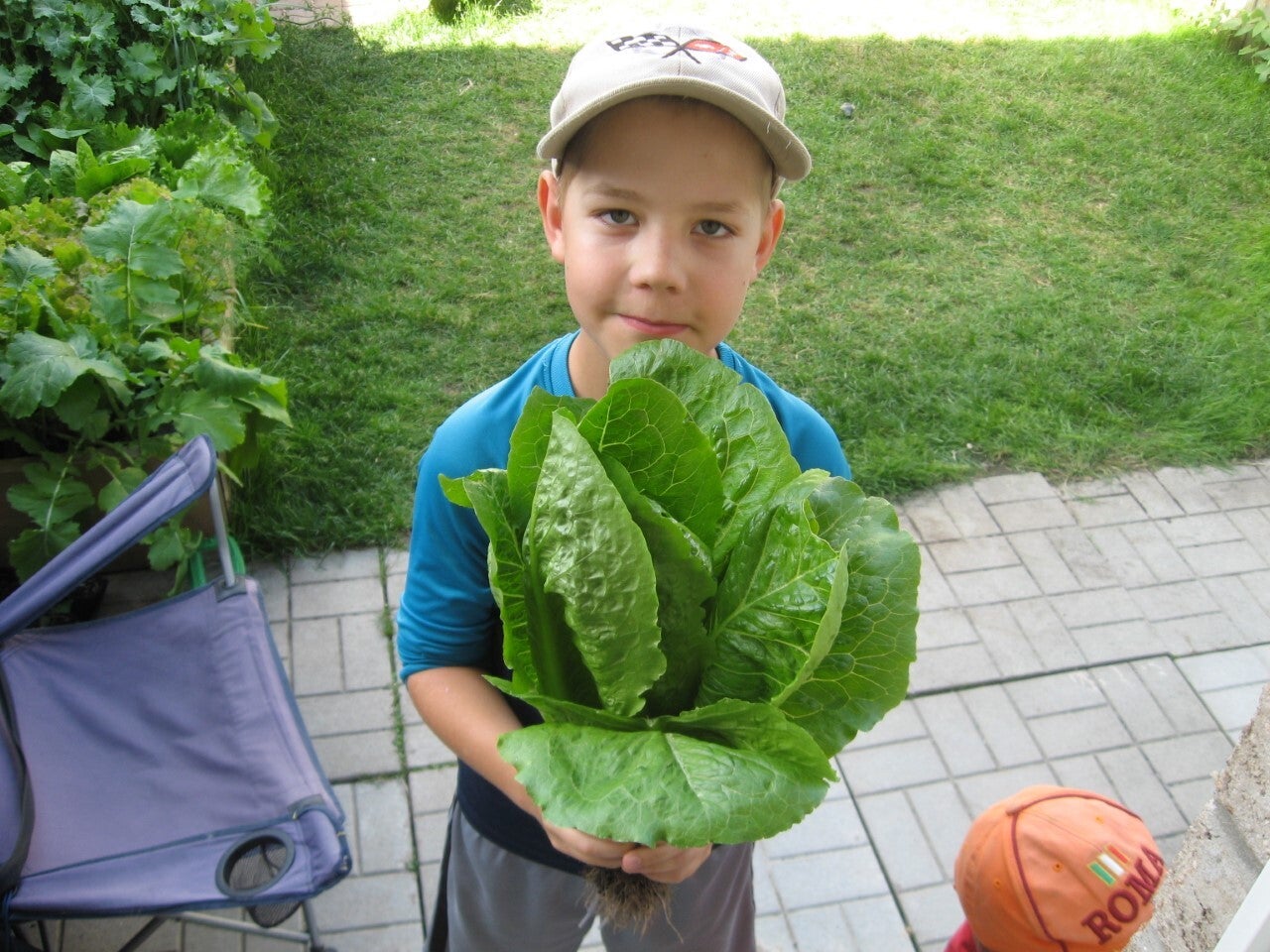
Practical skills: Our kids learn how food grows, how to care for plants, and how to preserve what we harvest.
Lower grocery bills: Depending on your space, you can cut food costs dramatically.
Quality and peace of mind: We know exactly how our food is grown and what’s on (or not on) it.
For two years, we were fortunate enough to use my grandmother’s large garden. We harvested so much that we were able to preserve enough produce to last nearly all year. We also gathered fruit from family orchards. Knowing your family is eating good, clean food is a reassurance that money simply can’t buy.
A Season of Harvest All Summer Long
We harvest throughout the season as things ripen. Most years, we get enough to have a constant supply of fresh produce from spring to fall, with extra set aside for canning, freezing, or dehydrating. This means fewer grocery store trips and more meals built from what we’ve grown ourselves.
Our Experience With Backyard Chickens
When the bylaw on backyard chickens in Kitchener was temporarily suspended, we jumped at the opportunity. Raising chickens was a big part of my childhood. My grandmother raised 100 meat birds every year, plus a dozen layers. My aunt runs a commercial chicken farm, so the tradition runs deep.
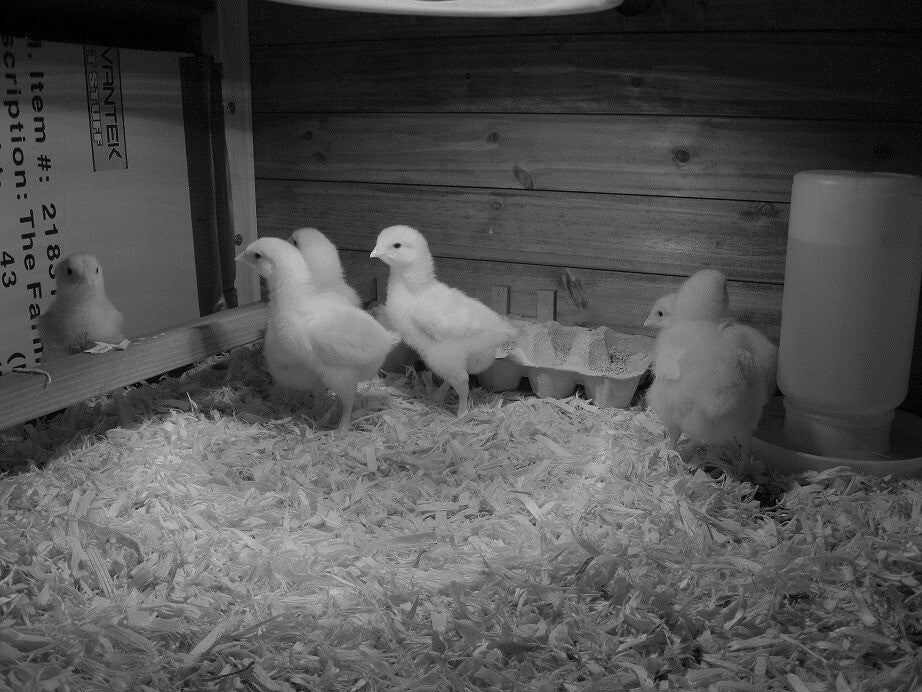
Last year, we ordered five day-old meat chicks and ended up with six. Since we weren’t sure how long the bylaw review would take, meat birds felt like the safe choice.
The kids adored them. They learned responsibility, animal care, and, most importantly, where meat truly comes from. We explained from the very beginning that these chickens would eventually be butchered. This helped them develop respect for the food on their plates and not waste what they had worked hard to raise.
In the fall, the chickens were butchered. The kids wished we could have done it ourselves (something I did growing up), but the timing just didn’t work. Still, they were proud to taste the food they had helped raise, and they understood the full cycle from start to finish.
With the bylaw still suspended this year, we decided to get three laying hens. What an adventure! We even had to assign egg-collection days because the kids were fighting over whose turn it was. Three hens, three eggs a day, it works out perfectly.
We also did a taste test between store-bought eggs and ours. Every child easily picked out the fresh backyard eggs based on taste and colour.
The neighbours love the hens too. They’re quiet, clean, and genuinely fun to watch. For months, no one even knew we had them until we mentioned it.
We truly hope the bylaw will allow backyard chickens permanently; they’re wonderful pets with real purpose.
Community and Chickens: A Surprising Combination
Not a single neighbour has complained. In fact, many bring over extra garden greens as treats for the hens. Others ask how to get started themselves, and neighbourhood children love coming over to meet them.
It’s amazing to see how something as simple as a chicken coop can build community.
Winter Preparations: The Garden, Chickens, and Bees
Garden
In the winter, the garden rests. In the spring, we add compost and nutrients to get the soil ready for another growing season.
Chickens
This will be our first winter with hens. We’ve set up:
-
A coop heater
-
A heated water dish
-
A timed light to support egg-laying
-
A sunny location for natural warmth
We’re confident they’ll do well.
Honey Bees
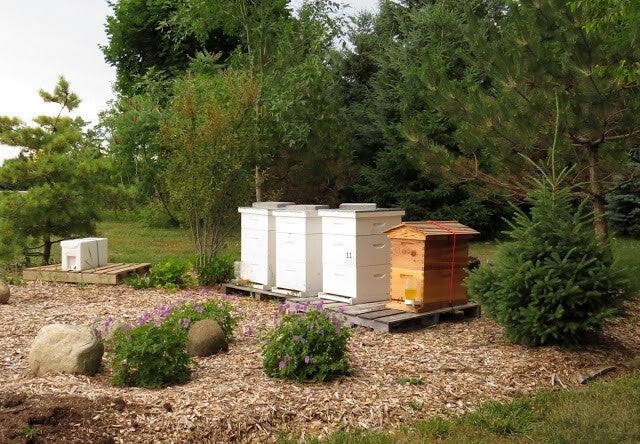
Honey bees are classified as pests in Kitchener, so we keep our hives in alternate locations. To prepare them for winter, we:
-
Ensure they have enough stored honey or sugar syrup
-
Manage pests in the fall
-
Wrap the hives for warmth
-
Add mouse guards
-
Check that the queen is healthy before winter
Our bees are precious to us, they’re essential workers in the garden and in the ecosystem.
Why All of This Matters to Our Family
In today’s world, it feels more important than ever to be as self-reliant and self-sustaining as possible. With rising grocery costs, job insecurity, and increasing concern about chemicals and genetically modified foods, growing your own food just makes sense.
And you don’t need a huge backyard to get started. Even a few pots on a balcony can make a difference.
Chickens aren’t just “farm animals”, they’re gentle, entertaining pets that provide fresh eggs. Bees aren’t just insects, they’re vital pollinators without whom our food system would collapse.
These hobbies bring a little country into the city, connect us with nature, and allow us to share something meaningful with our children and our community.
We love this lifestyle. And we love inspiring others to try it too.