Rhubarb: The First Taste of Spring
There is something wonderfully comforting about rhubarb. Long before tomatoes, beans, or peppers are ready to harvest, those cheerful ruby-red stalks begin pushing through the soil, reminding us that another gardening season has arrived. For many of us rhubarb isn't just a plant, it's a tradition, bringing back memories of grandmother's pies, family gatherings and kitchens filled with the sweet aroma of something delicious baking in the oven.

Although we often think of rhubarb as a fruit because of the way we use it, it is actually a hardy perennial vegetable. Once established, a healthy rhubarb plant can continue producing for decades, making it one of the most rewarding plants to grow in the garden. Give it a sunny location with rich, well-drained soil, plenty of compost, and room to spread. After the first couple of years, you'll be rewarded with generous harvests every spring.
One of the wonderful things about rhubarb is that it asks for very little in return. Keep it watered during dry spells, add compost around the crown each year, and remove any flower stalks that appear so the plant puts its energy into producing beautiful, thick stalks instead of seeds.
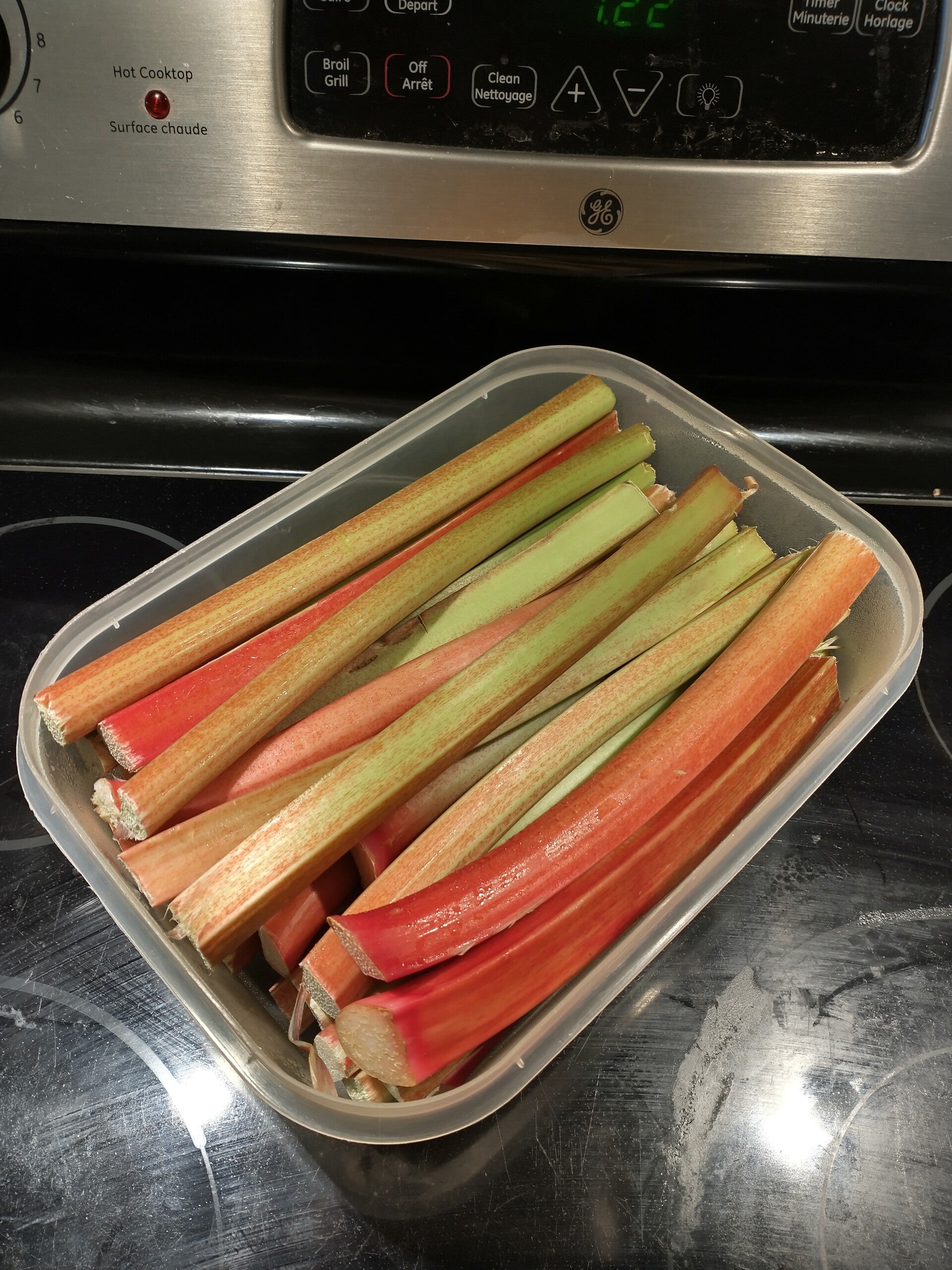
Harvesting Rhubarb
Patience is important with a new rhubarb plant. It's best not to harvest during the first year, and only lightly during the second. By the third season, your plant shour be well established and ready for regular picking.
Instead of cutting the stalks, gently grasp each mature stalk near the base and pull with a slight twist. THis removes teh entire stalk cleanly and encourages new growth. Always leave several stalks behind so the plant can continue gathering energy for next year's harvest.
One important note: ONLY THE STALKS ARE EDIBLE. The large green leaves contain high levels of oxalic acid and should never be eaten. Simply remove them and add them to the compost pile if approprate for your composting system, or place upside down underneath your rhubarb to controle weeds, or dispose of them with your yard waste.
Storing Your Harvest
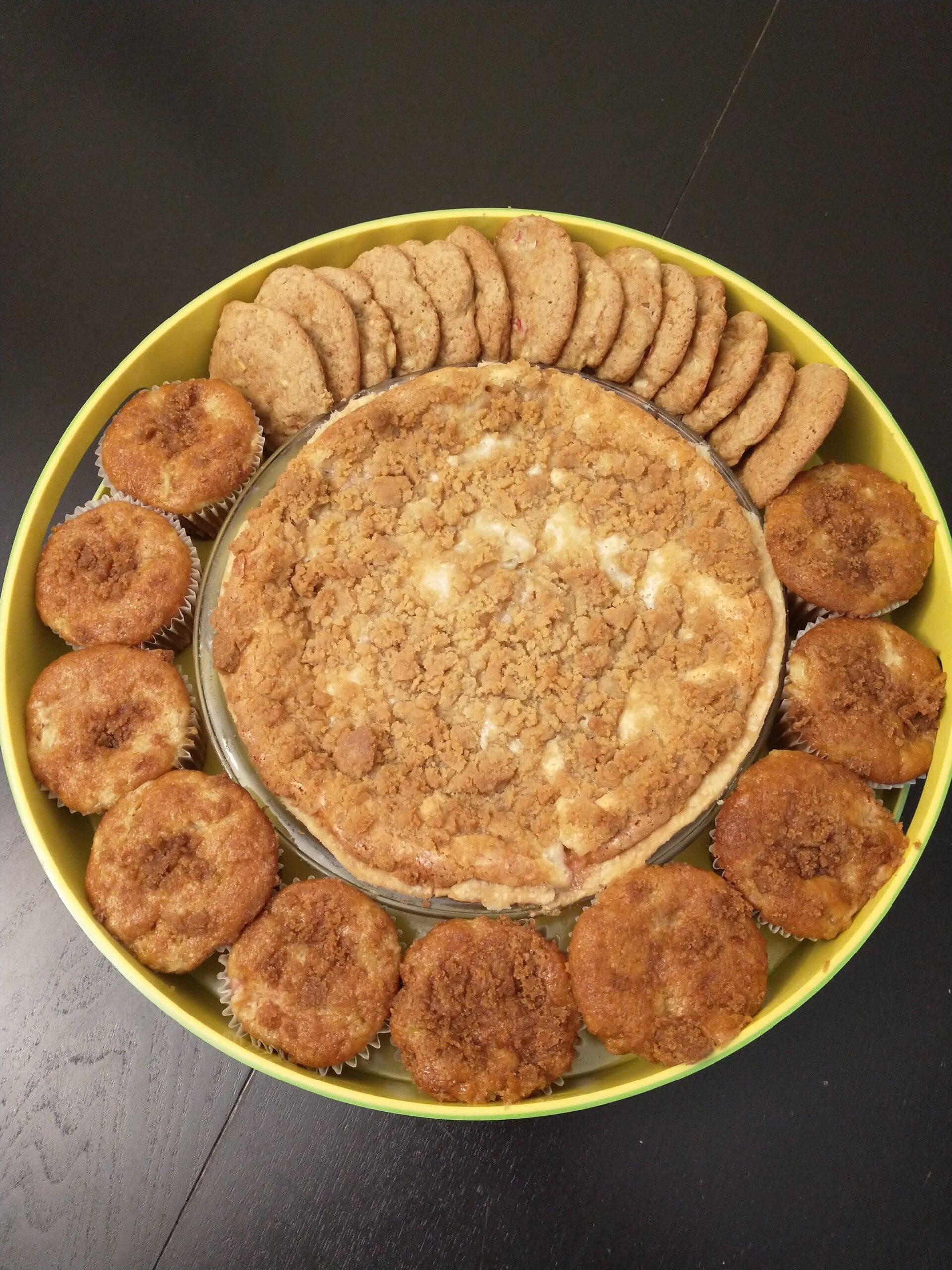
Fresh rhubarb keeps well in the refrigerator for about a week when wrapped loosely or stored in a produce bag. If your garden suddenly gives you more than you can use, don't worry, rhubarb freezes beautifully.
Simply wash the stalks, trim the ends, cut them into pieces, and freeze them on a tray before trasferring them to freezing bags. They can be used straight from the freezer in pies, muffins, sauces, and jams.
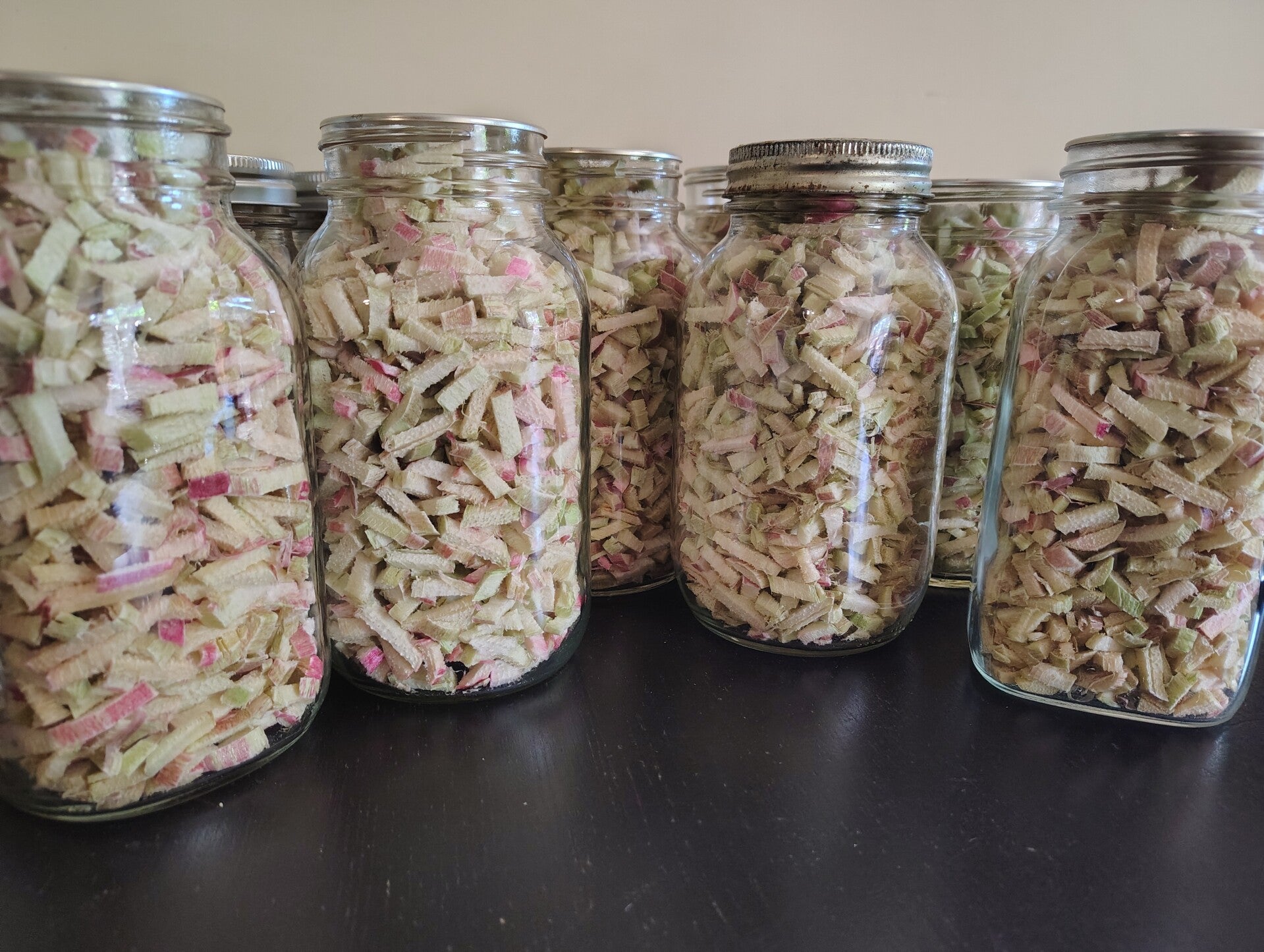
You can also preserve rhubarb by making jams, pie fillings, syrups, fruit butters, dehydrating or freeze-drying it, ensuring you have a little taste of spring waiting for you long after the garden has gone to sleep for the winter.
A Kitchen Full of Rhubarb
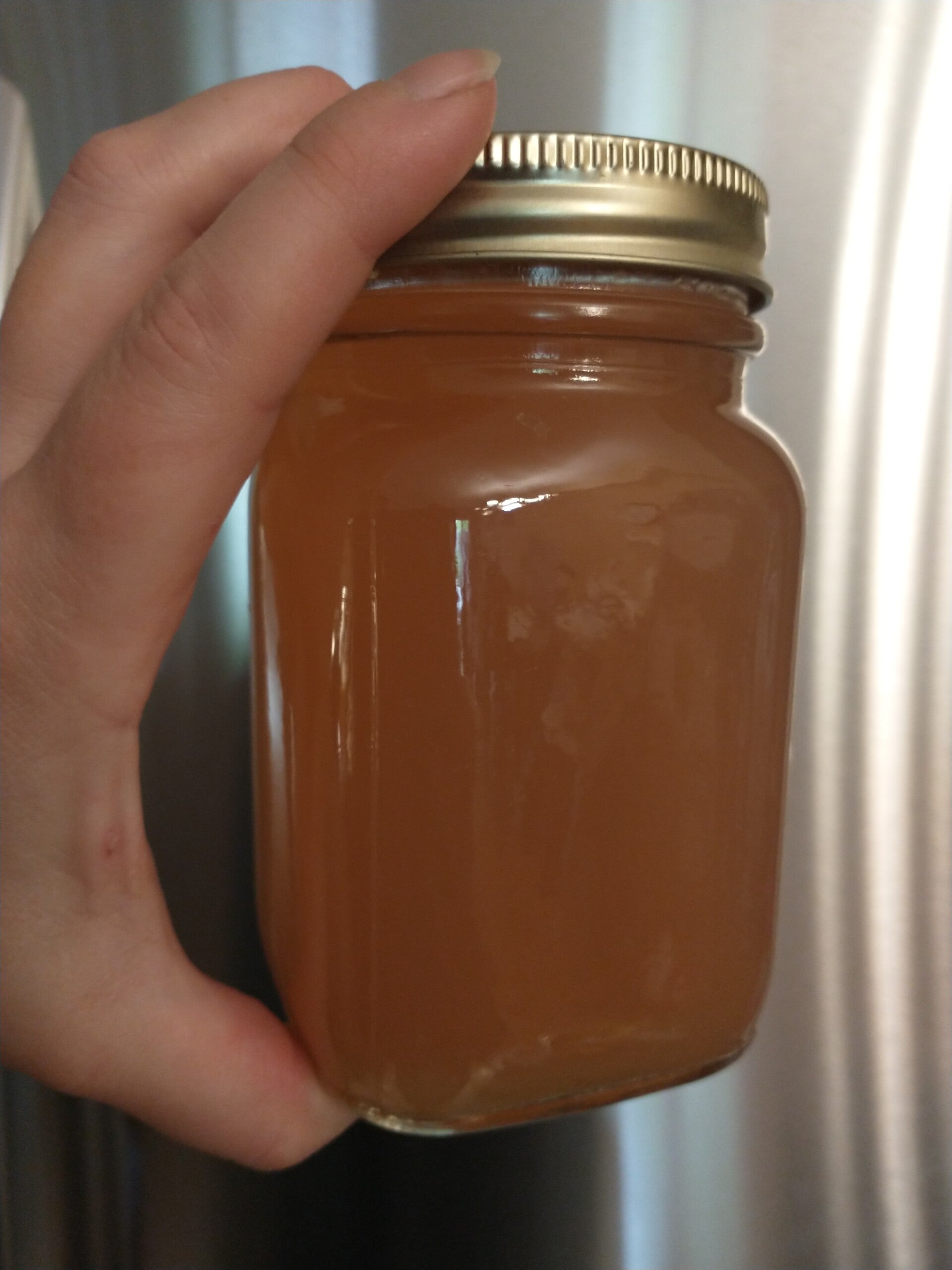
This year, our rhubarb harvest inspired all kinds of delicious creations.
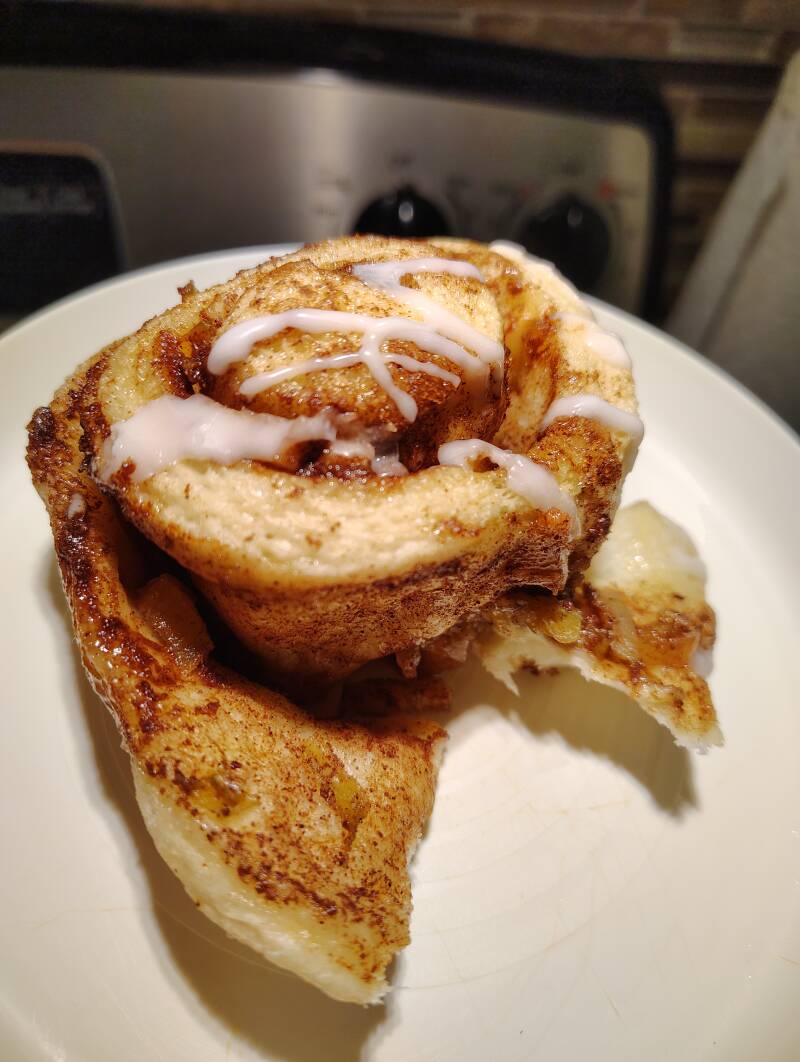
We baked freeze-dried strawberry rhubarb crumble cookies, and even made some with a creamy filling that disappeared almost as quickly as they were served. Fresh rhubarb found its way into soft cinnamon rolls with a sweet-tart swirl, while jars of homemade rhubarb jam lined the pantry shelves, ready for morning toast and warm biscuits.
We also made refreshing rhubarb sorbet and creamy rhubarb ice cream for warm summer afternoons, along with vibrant rhubarb syrup that is wonderful stirred into sparkling water, lemonade, iced tea, or drizzled over pancakes and waffles.
OF course, there were classic favourites too, rhubarb pie filling waiting in teh freezer, a silky rhybarb cream pie, tender rhubarb muffins, chewy rhubarb cookies, and those irresistable rhubarb dream bars that somehow disappear from the cooling rack before they've completely cooled.
The possibilities seem almost endless. Rhubarb pairs beautifully with strawberries, raspberries, apples, oranges, ginger, vanilla, cinnamon, cardamom, and even a touch of maple syrup. Its bright tartness brings balance to sweet desserts and creates flavours that simply taste like home.
A Healthy Harvest
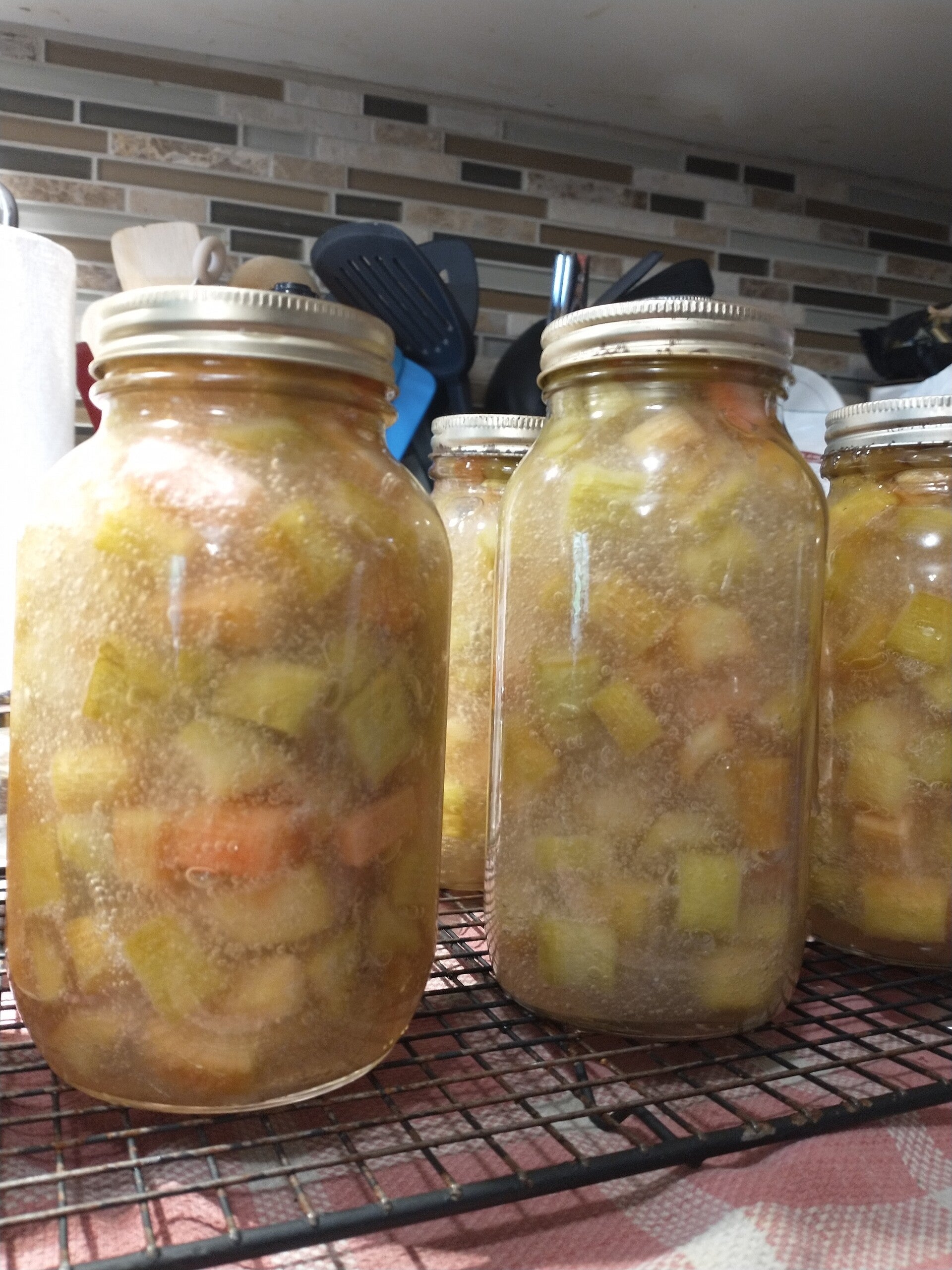
Beyond its wonderful flavour, rhubarb also offers some nutritional benefits. It's naturally low in calories while providing fibre, vitamin K, Vitamin C, and antioxidants. Its bright red stalks also contain beneficial plant compounds that contribute to its vibrant colour. WHile most recipes call for sugar to balance rhubarb's tartness, you can often reduce the amount or sweeten with alternatives to suit your family's tastes.
More Than a Plant
Perhaps one of the nicest things about growing rhubarb is how dependable it is. It returns faithfully every spring, often becoming one of the first harvests of the gardening season. As the years pass, the plant grows larger, producing more stallks than a family could ever eat fresh, making it perfect for sharing with neighbours, friends, and anyone who appreciates homegrown food.
There is something deeply satisfying about walking into the garden, pulling a few crisp stalks, and knowing that by the afternoon they might become muffins, pie, jam, cookies, or ice cream. Then, with a little preserving, those same flavours can brighten a cold winter day months later.
Rhubarb reminds us that gardening isn't just about growing food. It's about growing traditions, creating memories in teh kitchen, filling the pantry, and sharing a little taste of home with the people we love.
If you have room for just one perennial edible in your garden, rhubarb makes a wonderful choice. Plant it once, care for it well, and it will reward you with years, even decades, of delicious harvests and countless cozy moments aruond the table.