Freshly Milled Flour: From Dense "Bricks" to Beautiful Homemade Bread
Growing up, my parents taught us to be prepared for life's unexpected challenges. Whether it was looding a job, facing financial hardship, or simply weathering difficult seasons, having a well-stocked pantry was considered one of the best investments you could make.
Food storage isn't about expecting the worst, it's about creating peace of mind.
When your family's nutritional needs are already taken care of, you have one less thing to worry about during stressful times. Instead of wondering how you'll put meals on the table, you can focus your energy on solving the problem in front of you.
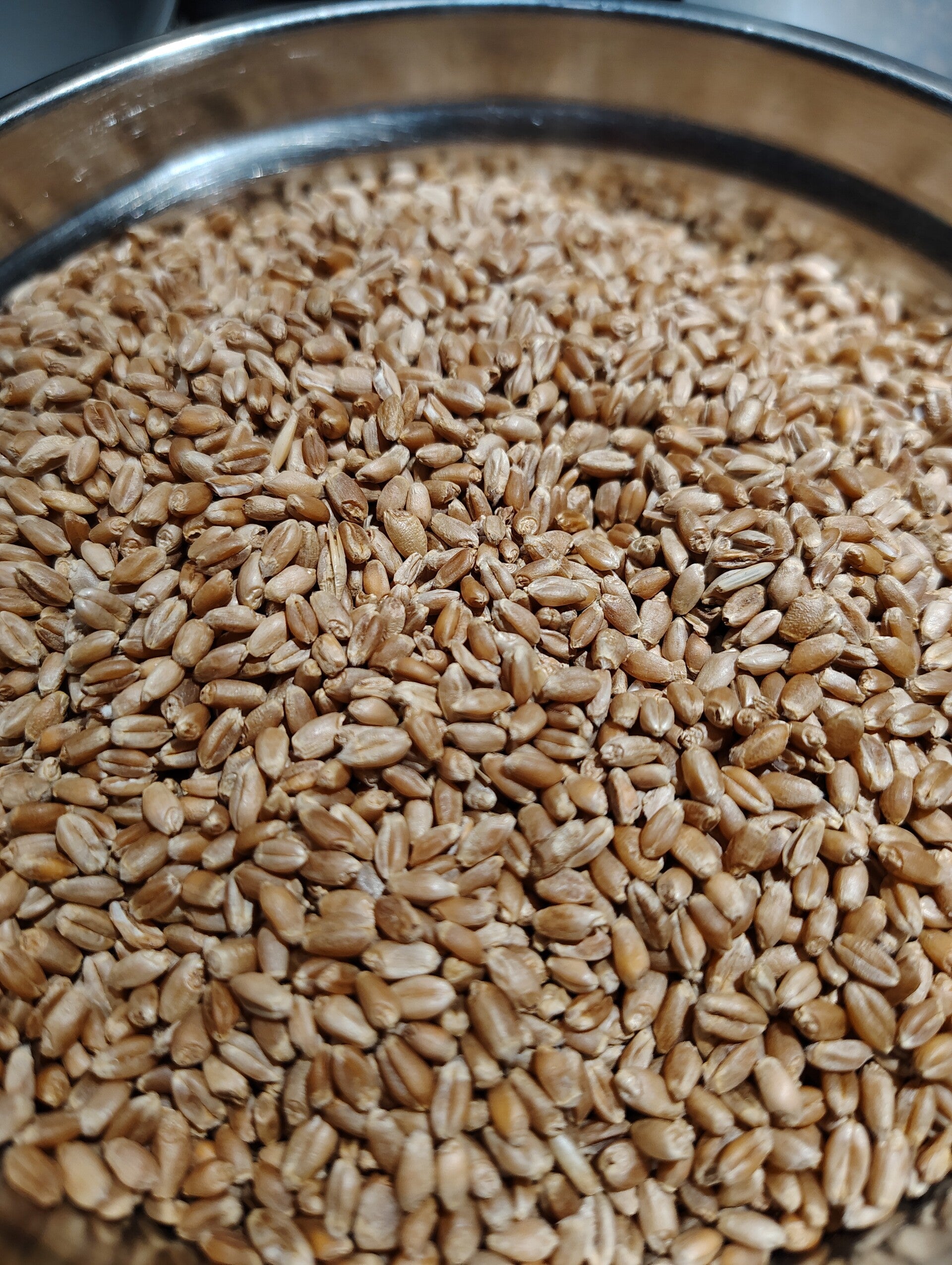
One of the best ways to preserve food for long-term storage is to keep it in its most natural form. Whole grains can be stored for decades when kept in proper conditions, for longer that flour. Milling the grain just before baking not only extends its shelf life but also preserves its flavour, aroma, and many of its naturally occurring nutrients.
My Childhood Experience With Freshly Milled Flour
Growing up, we regularly milled our own wheat to make bread.
The flavour was incredible. Freshly toasted with butter and generously drizzled with honey was my absolute favourite.
There was just one problem.
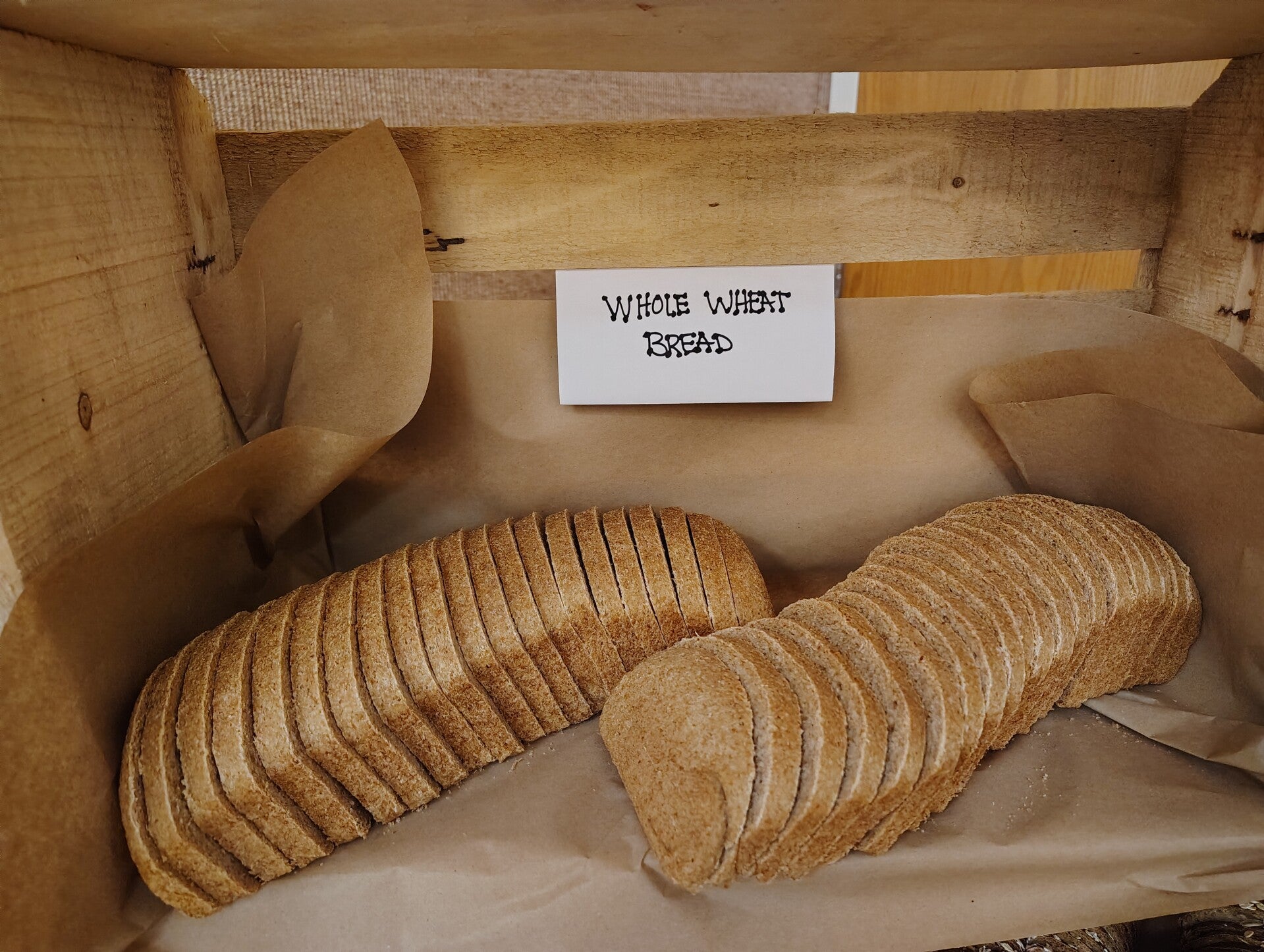
The bread was always dense.
It didn't matter how carefully we measured the ingredients or how closely we followed the recipe. Every loaf was heavy, crumbly, and more brick than sandwhich bread.
For years I wondered why storing wheat berries was considered such an important part of food storage if the bread never turned out the way I wanted. Surely there had to be a missing step. People had been baking with freshly milled flour for thousands of years. There had to be a way to create soft, fluffly bread from whole grains.
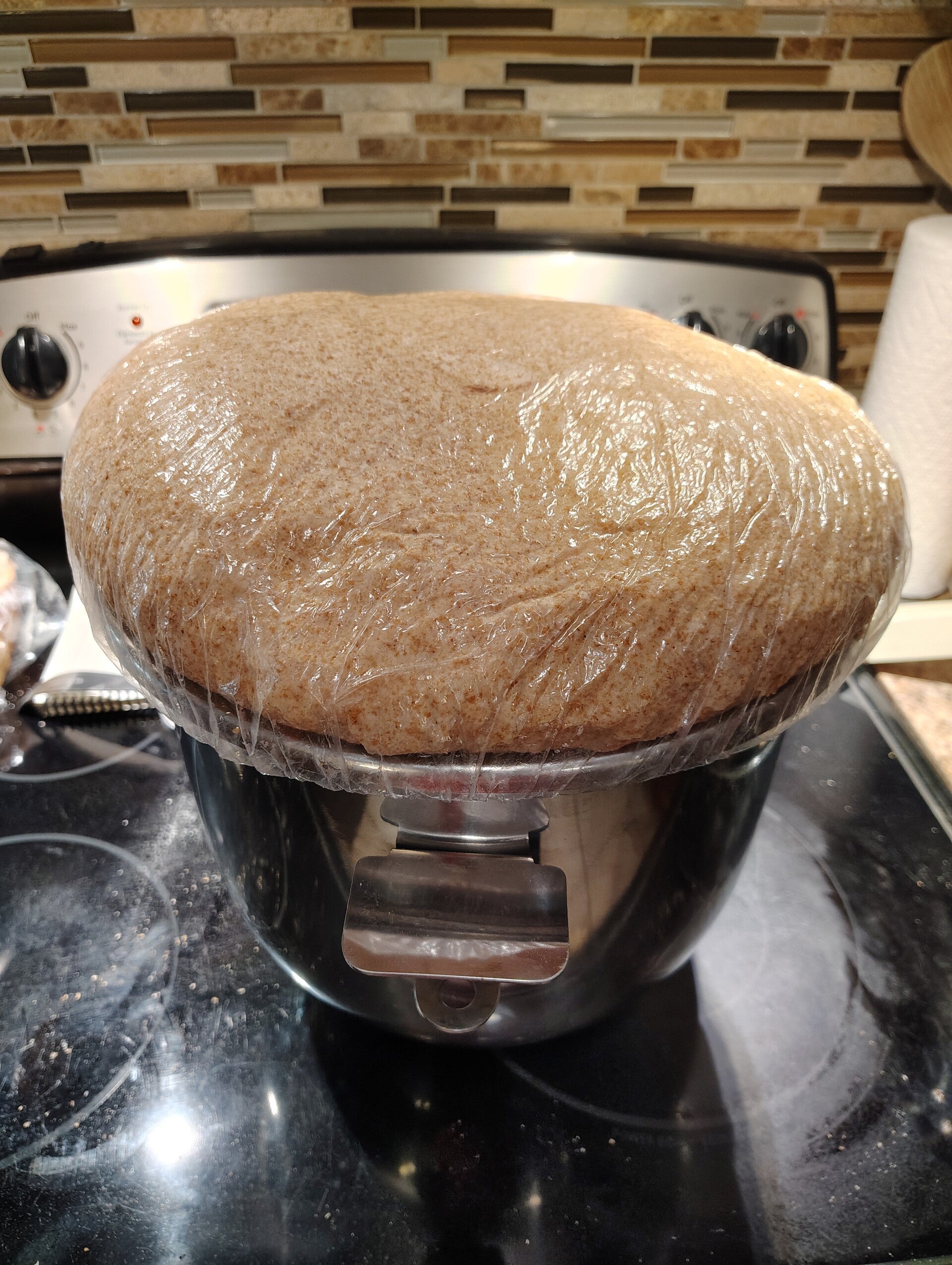
Trying Again...and Again
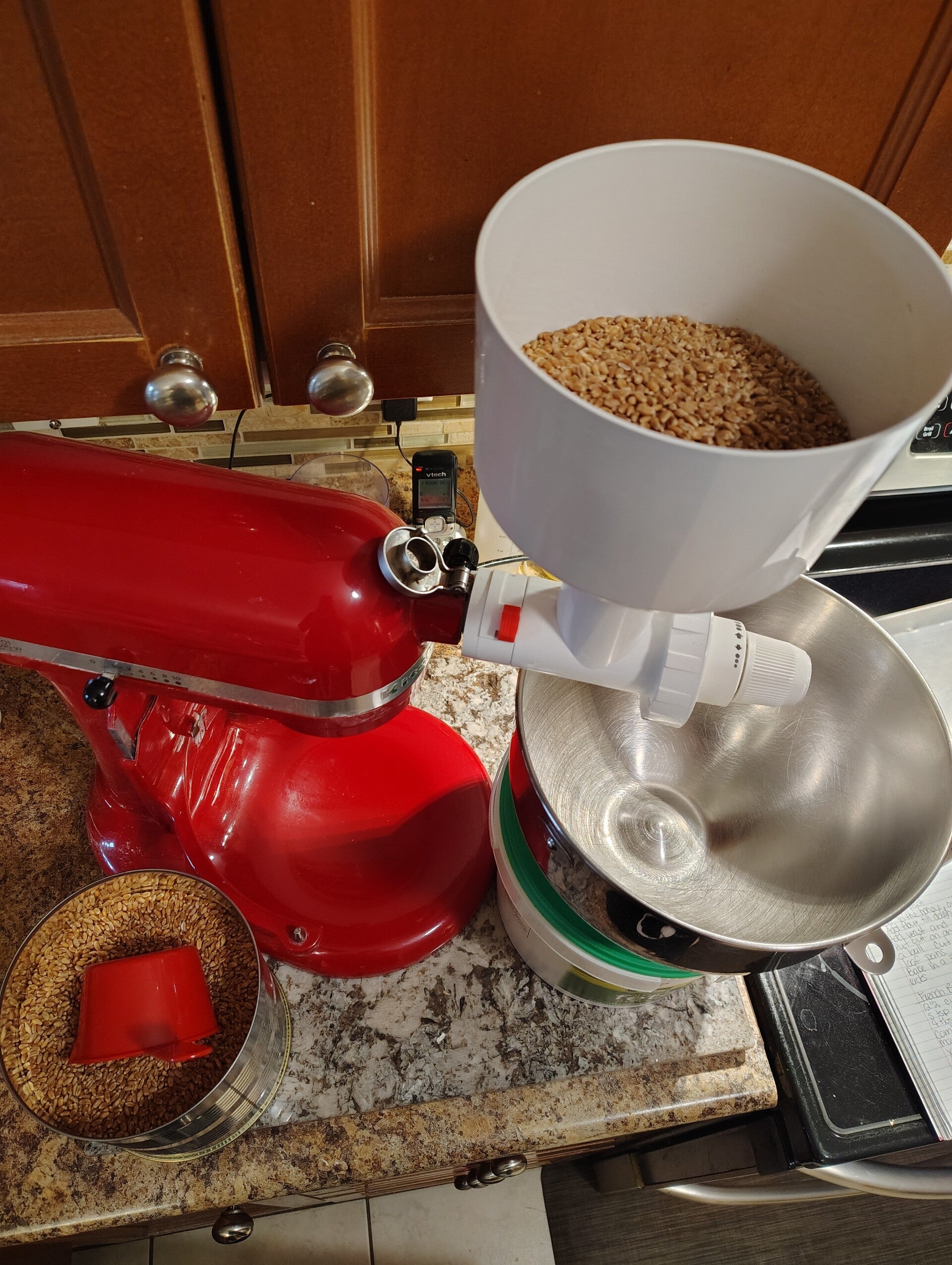
After I got married, my husband and I purchased a grain mill attachment for our KitchenAId mixer.
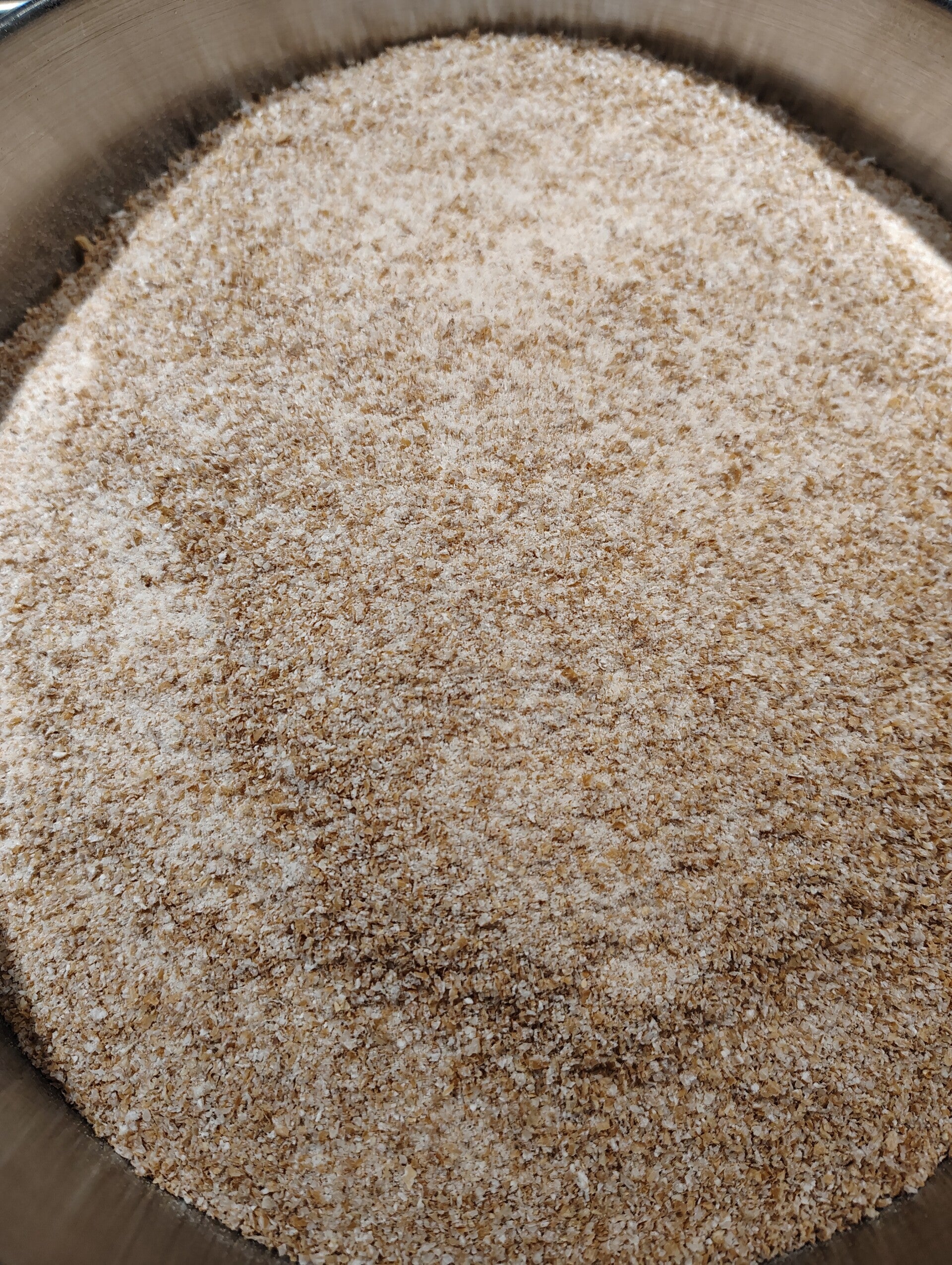
It worked reasonable well. The flour wasn't quite as finely milled as what my mom's vintage stone mill produced, but it was certainly usable.
Every year I'd give it another try.
Every year I'd hope for a different result.
Every year I ended up with another delicious tasting brick.
The flavour was always wonderful.
The texture...not so much.
Research Mode Activated
If you've read about my sourdough journey, you'll already know something about me.
When I become interested in something I dive in completely.
Books.
Research papers.
Videos.
Baking blogs.
Hours of experimenting.
I wanted to understand not just how recipes worked, but why they worked.
Somewhere, someone knew the secret to making soft, fluffy bread with freshly milled flour.
I just had to find it.
The Missing Piece
Eventually, everything clicked.
The biggest difference wasn't a special ingredient.
It was giving freshly milled flour time to fully absorb the liquid before adding the yeast (or sourdough starter) and salt.
Freshly milled flour containes all of the bran and germ, which absorb moisture much more slowly than commercial white flour. Allowing the flour and liquid to rest before kneading gives those fibres time to hydrate properly, resultingin a dough that is easier to develop and capable of producing a much lighter loaf.
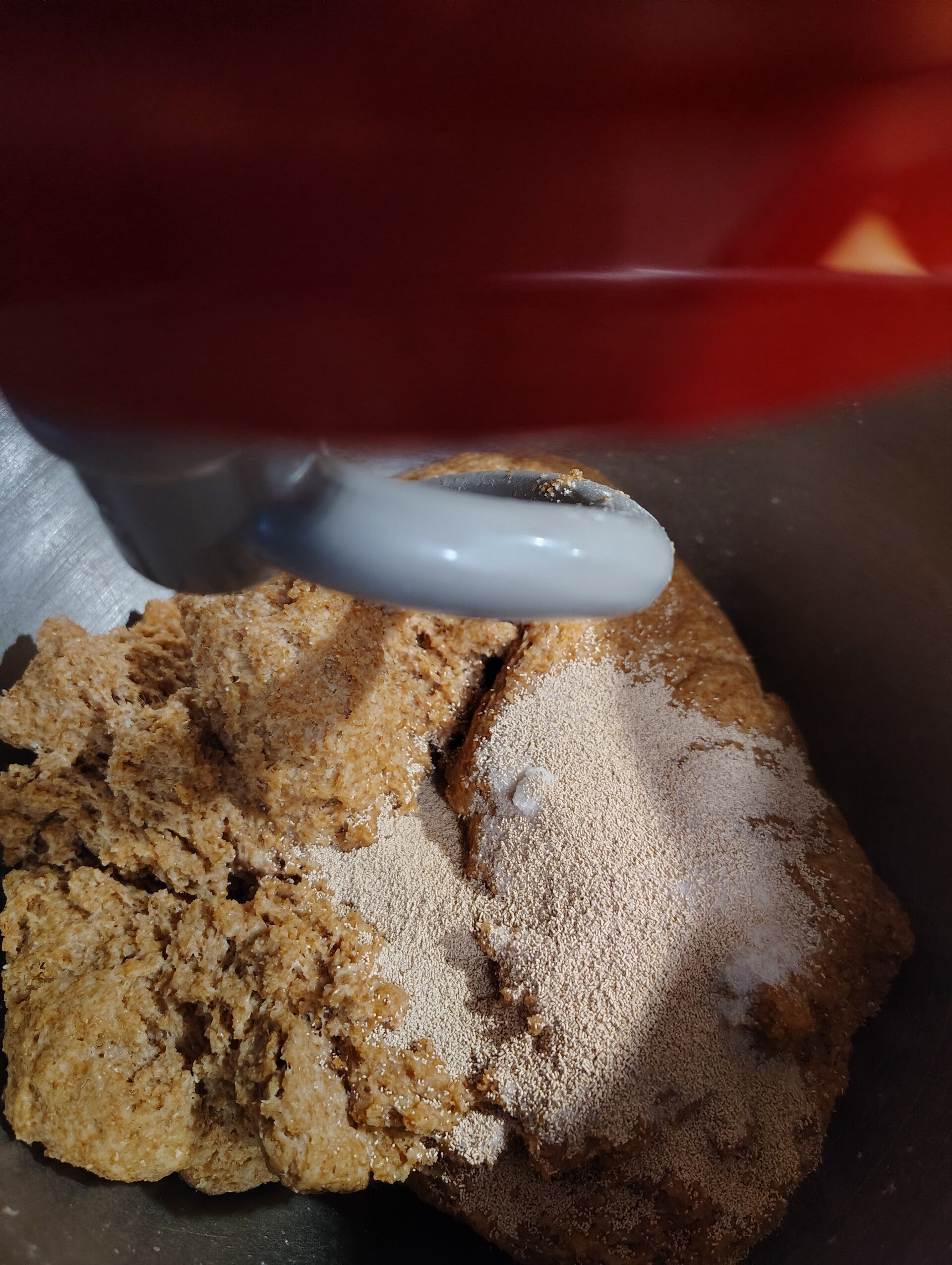
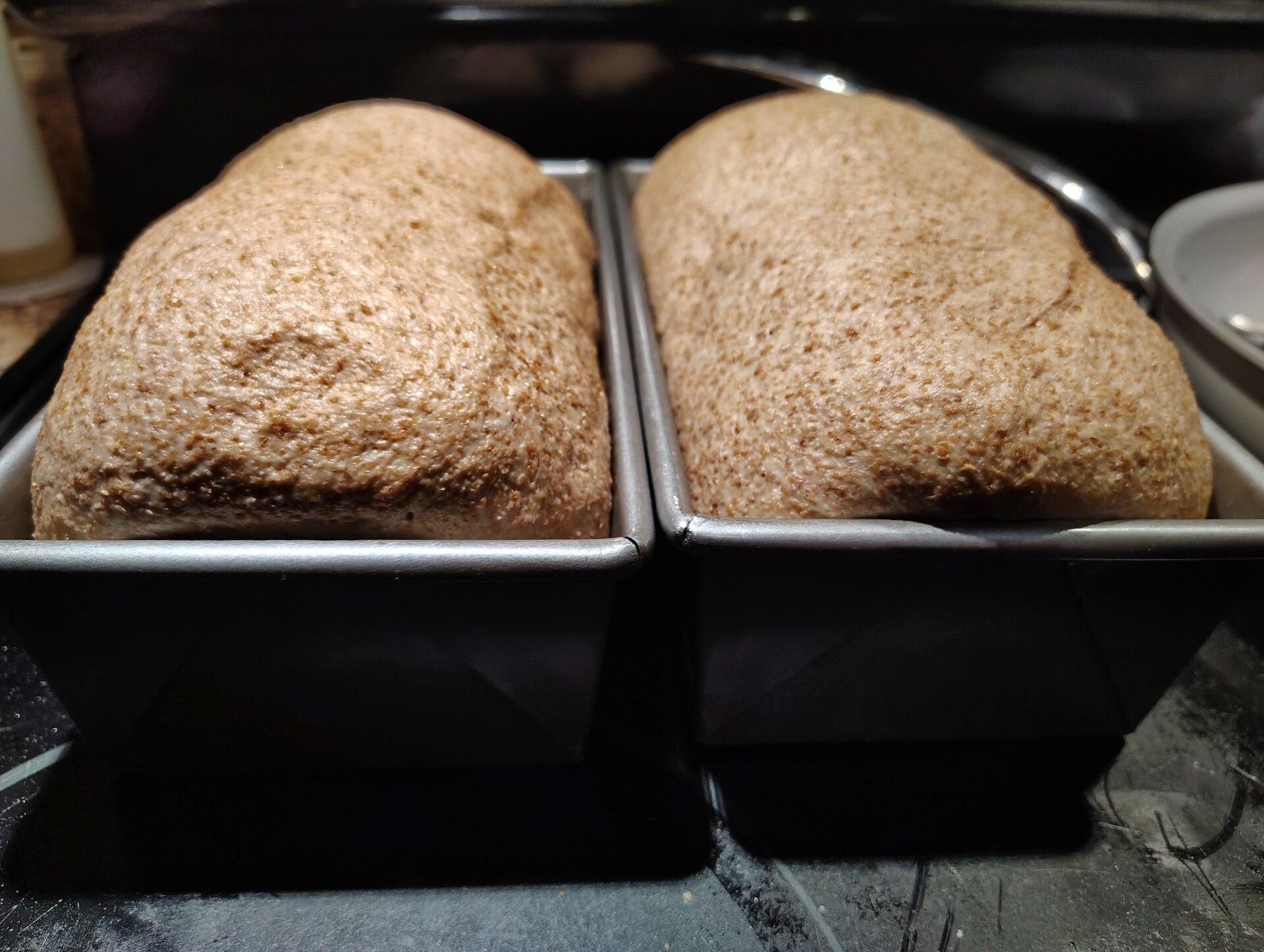
After that came proper gluten development, kneading until the dough reached the window pane storage, followed by patient fermentation, shaping, a second rise, and finally baking.
The result?
Soft.
Light.
Fluffy.
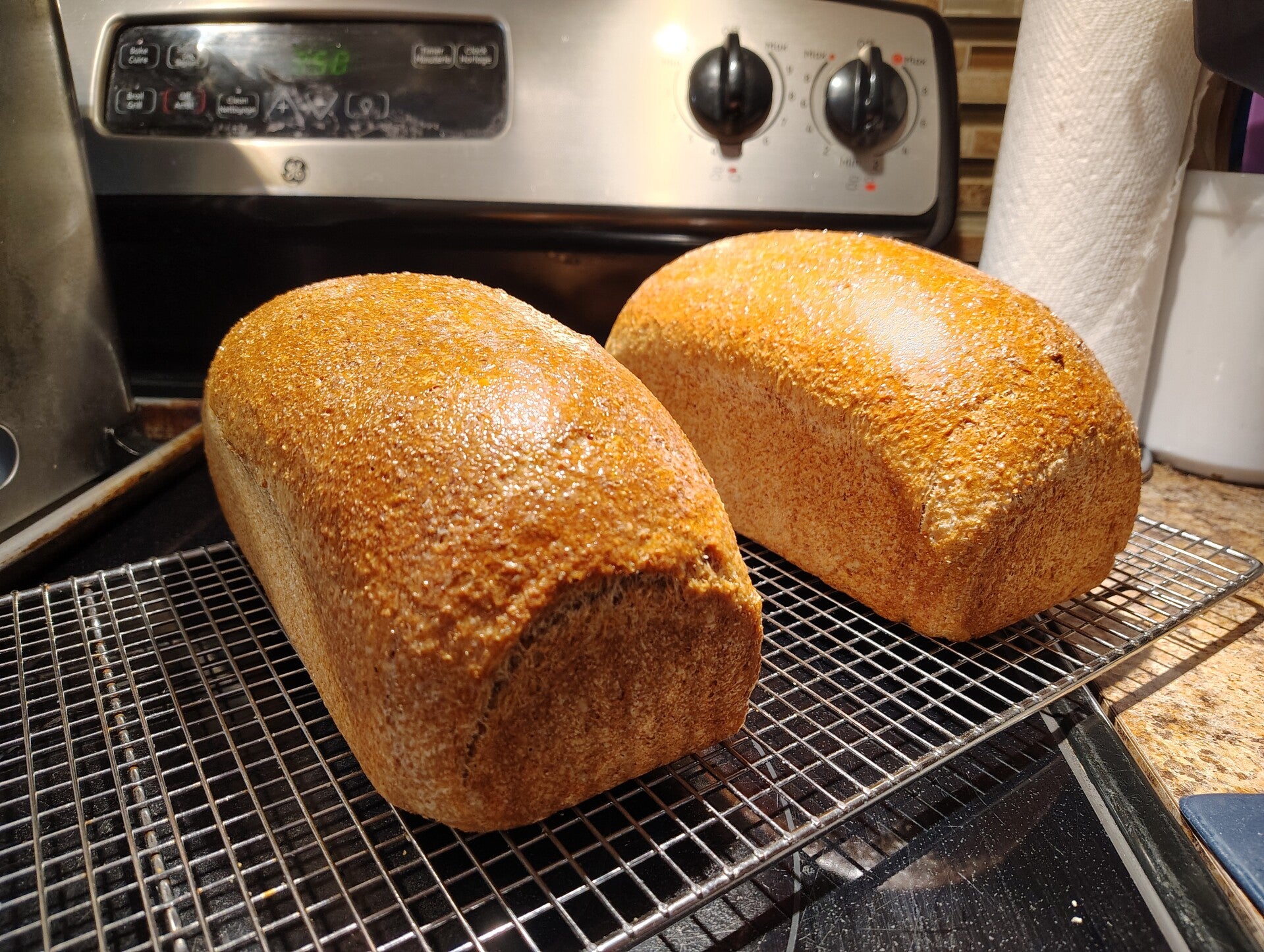
Exactly the bread I had been trying to make for years.
Even better...
My kids ask for it!
Beyond Sandwich Bread
Once I finally unlocked the secret, I couldn't stop experimenting.
Freshly milled cinnamon raisin bread quickly becaome one of our familiy's favourites.
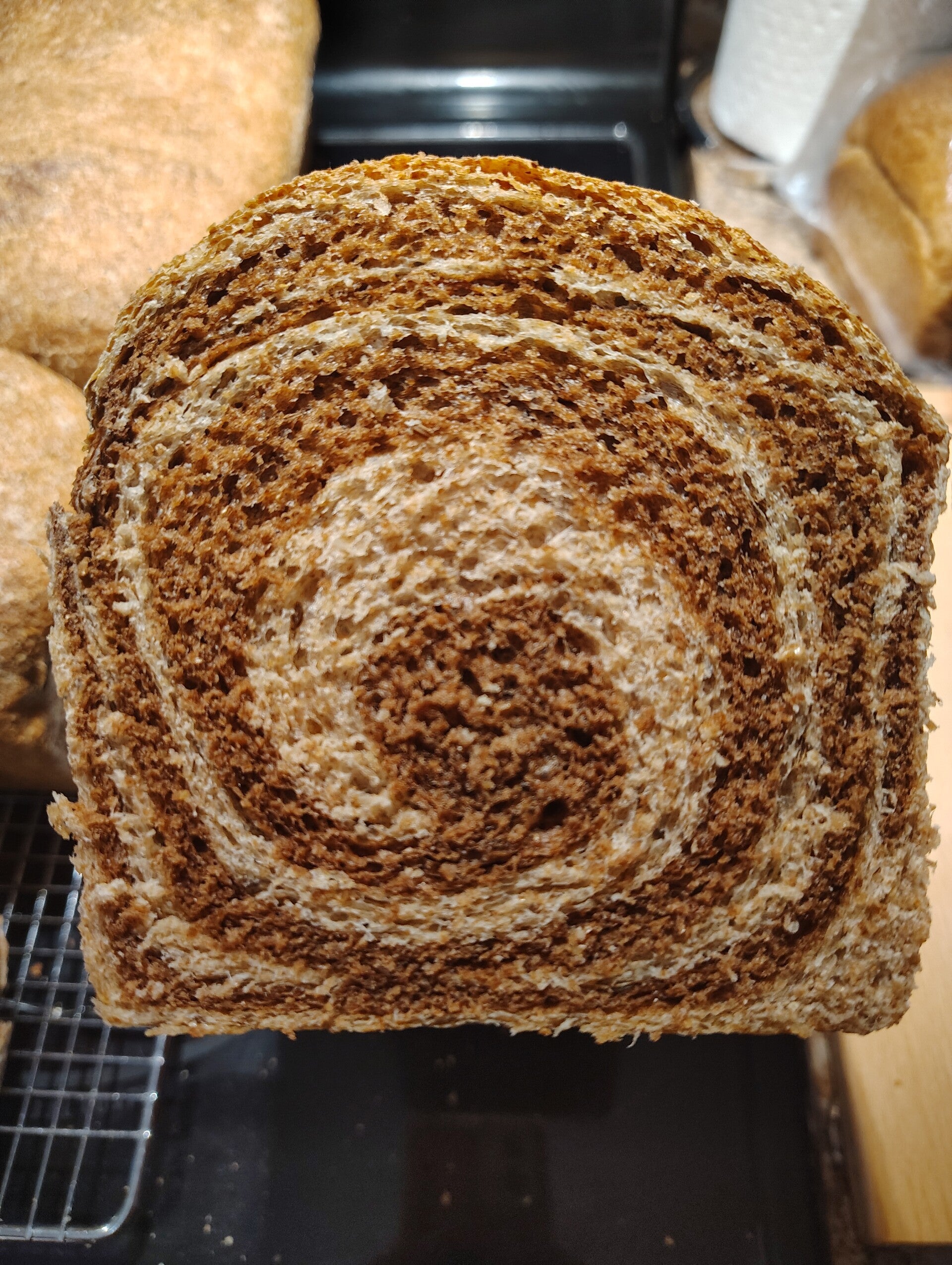
Pumpernickel has become another stape, especially served with spinach dip.
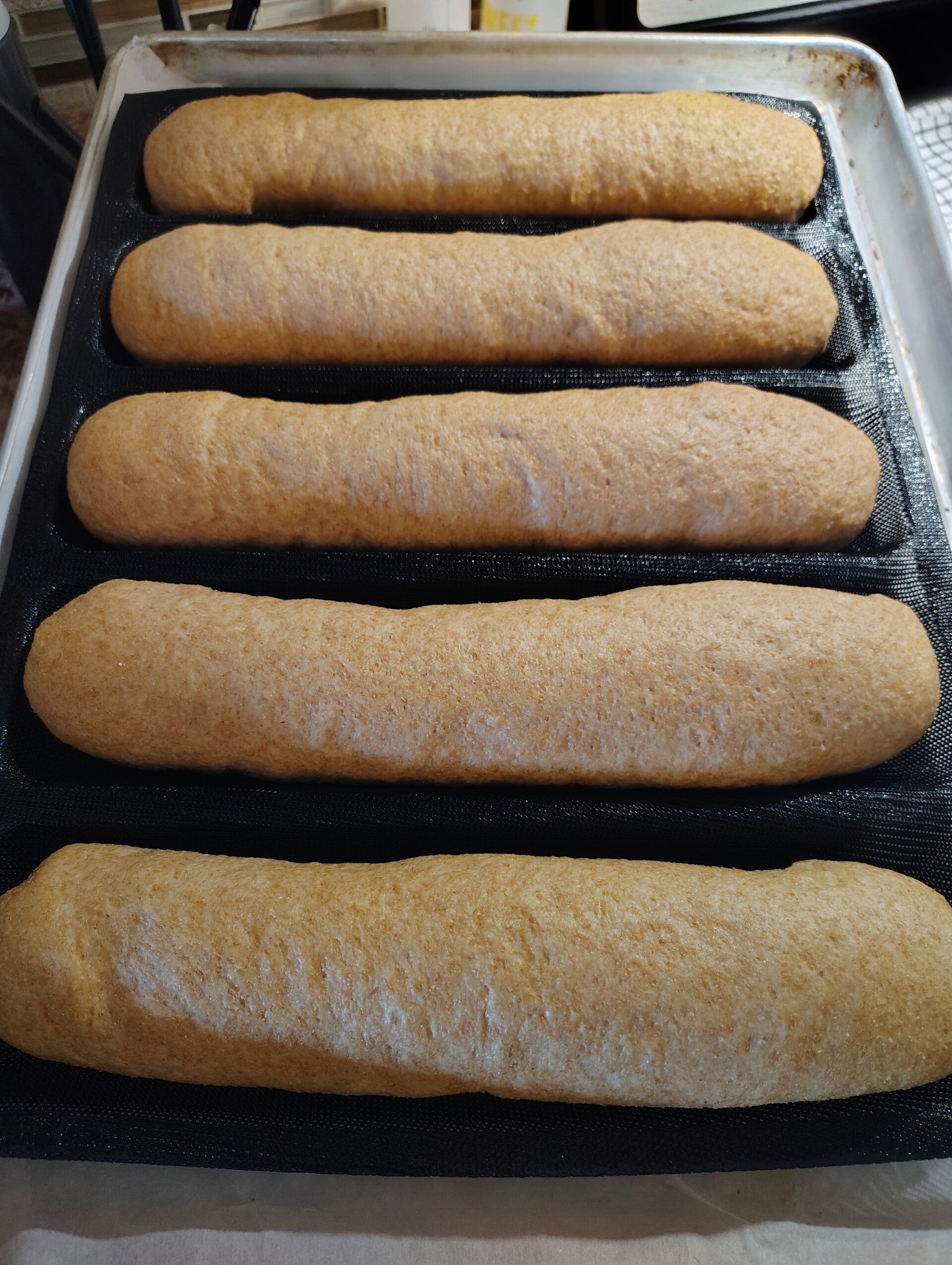
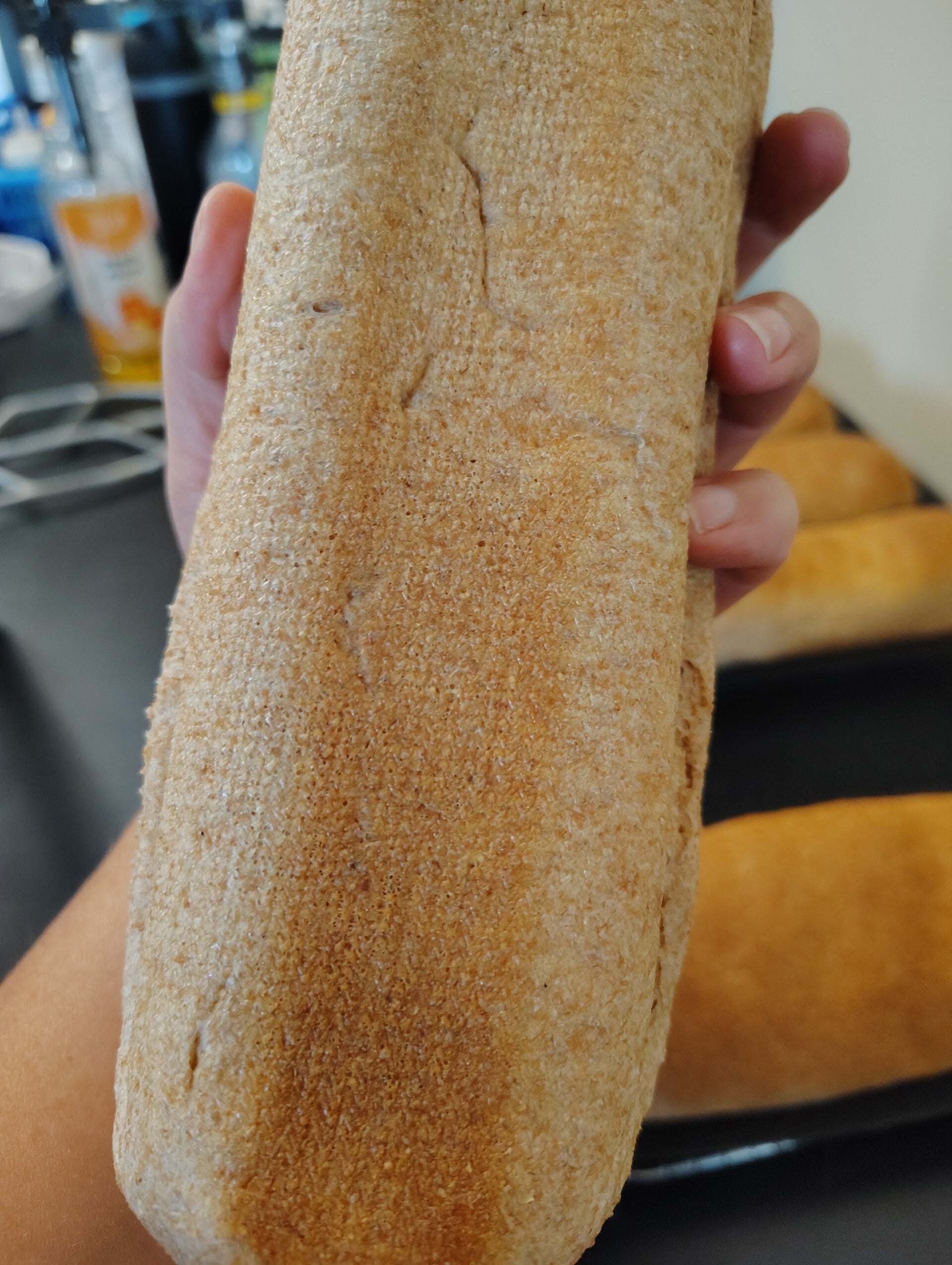
I've started making homemade sub buns, too. Thanks to a sub bun baking mat my husband surprised me with, they look like they came straight from our favourite sandwich shop.
Freshly milled baking has become one of my favourite kithchen adventures.
Rediscovering A Family Treasure
While visiting my parents one day, I noticed another vintage stone grain mill tucked away in their barn.
It wasn't being used, so I brought it home, gave it a thourough cleaning, and put it back to work.
What a difference!
It mills beautiful, fine flour in less than half the time it takes my KitchenAid attachment.
I may be a little obsessed.
There are days when I simply want to mill flour all day long.
Freshly Milled Flour Isn't Just For Bread
One of my biggest discoveries was learning that different grains shine in different recipes.
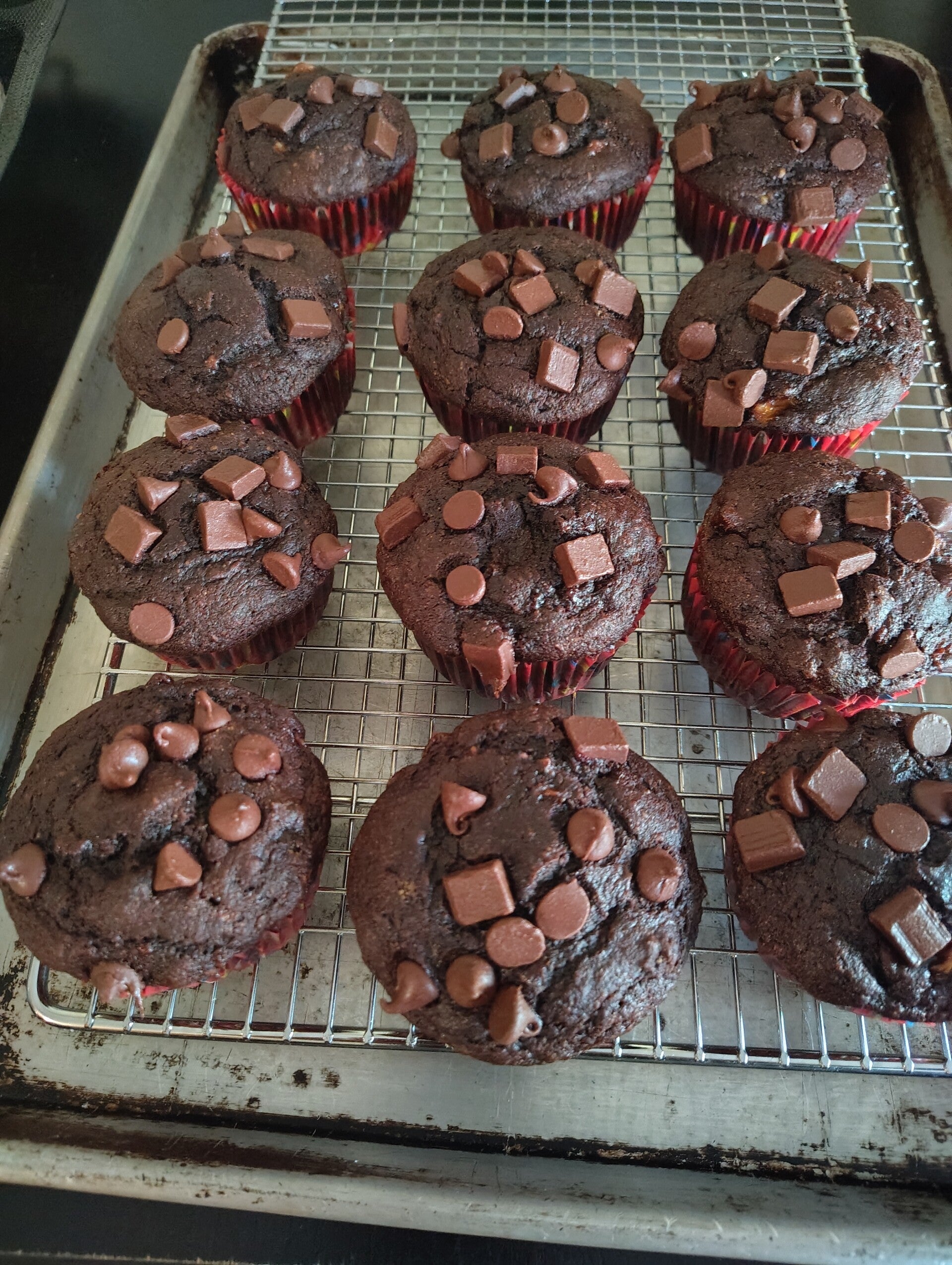
I milled soft white wheat for muffins, and they turned out beautifully tender.
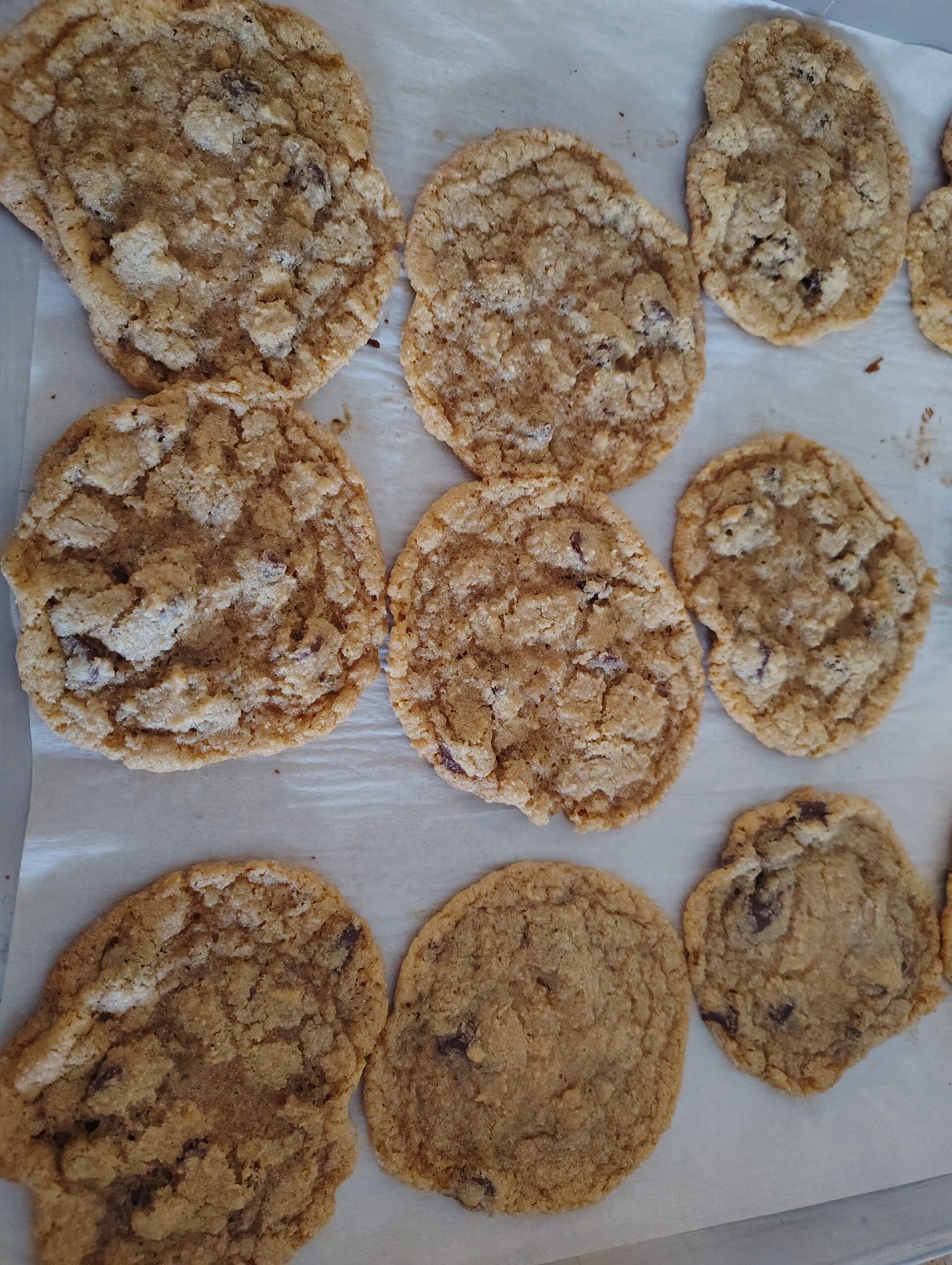
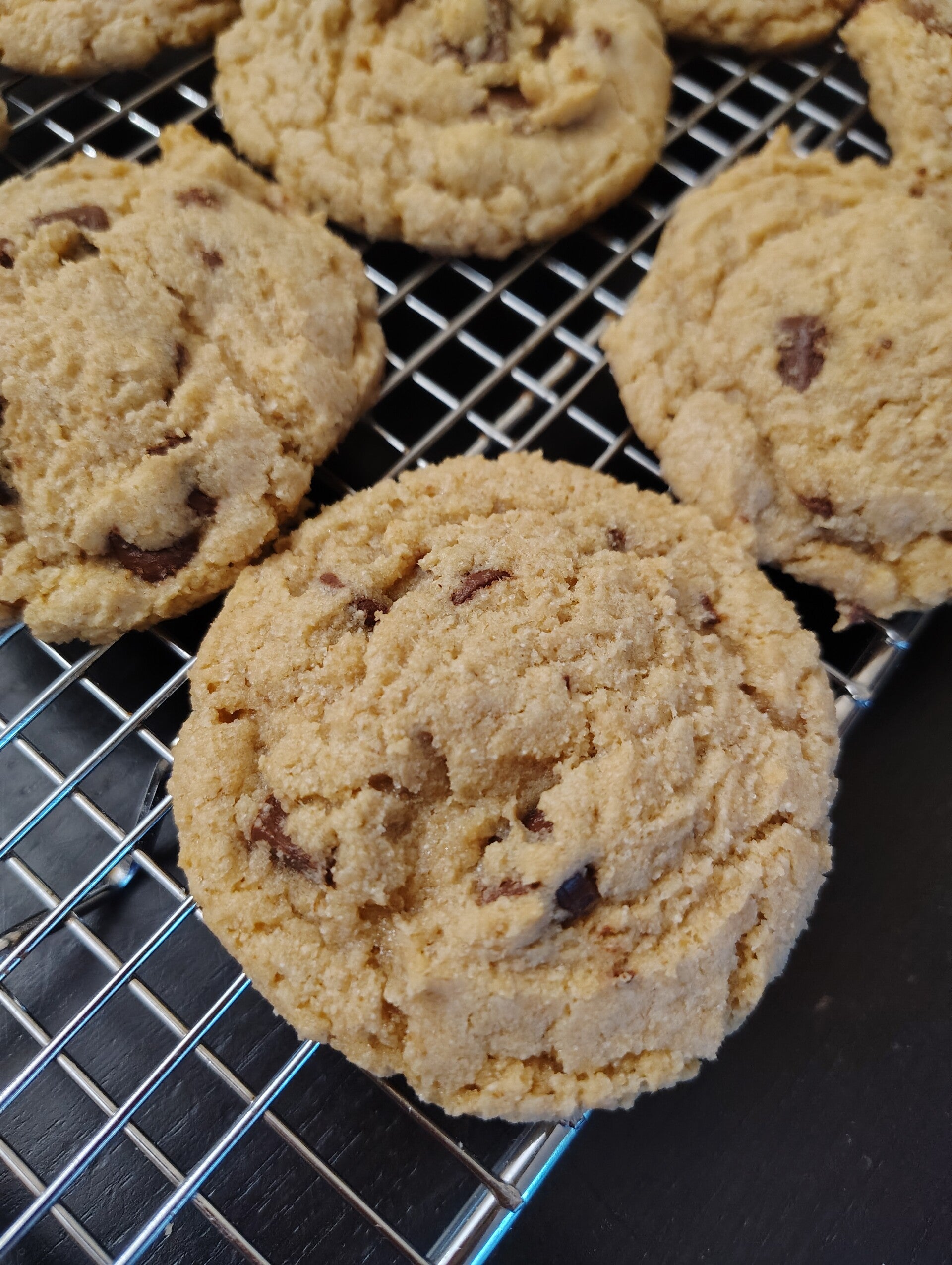
My first batch of cookies spread a little too much, but the flavour was fantastic. After slightly increasing the flour in teh second batch, they baked perfectly. Soft, delicious, and every bit as good as cookies made with store bought flour but with the added bonous of all the nutrients and fiber whole grain has to offer.
Then came the ultimate test.
Freshly milled suordough.
If that worked, I'd know I'd finally figured it out.
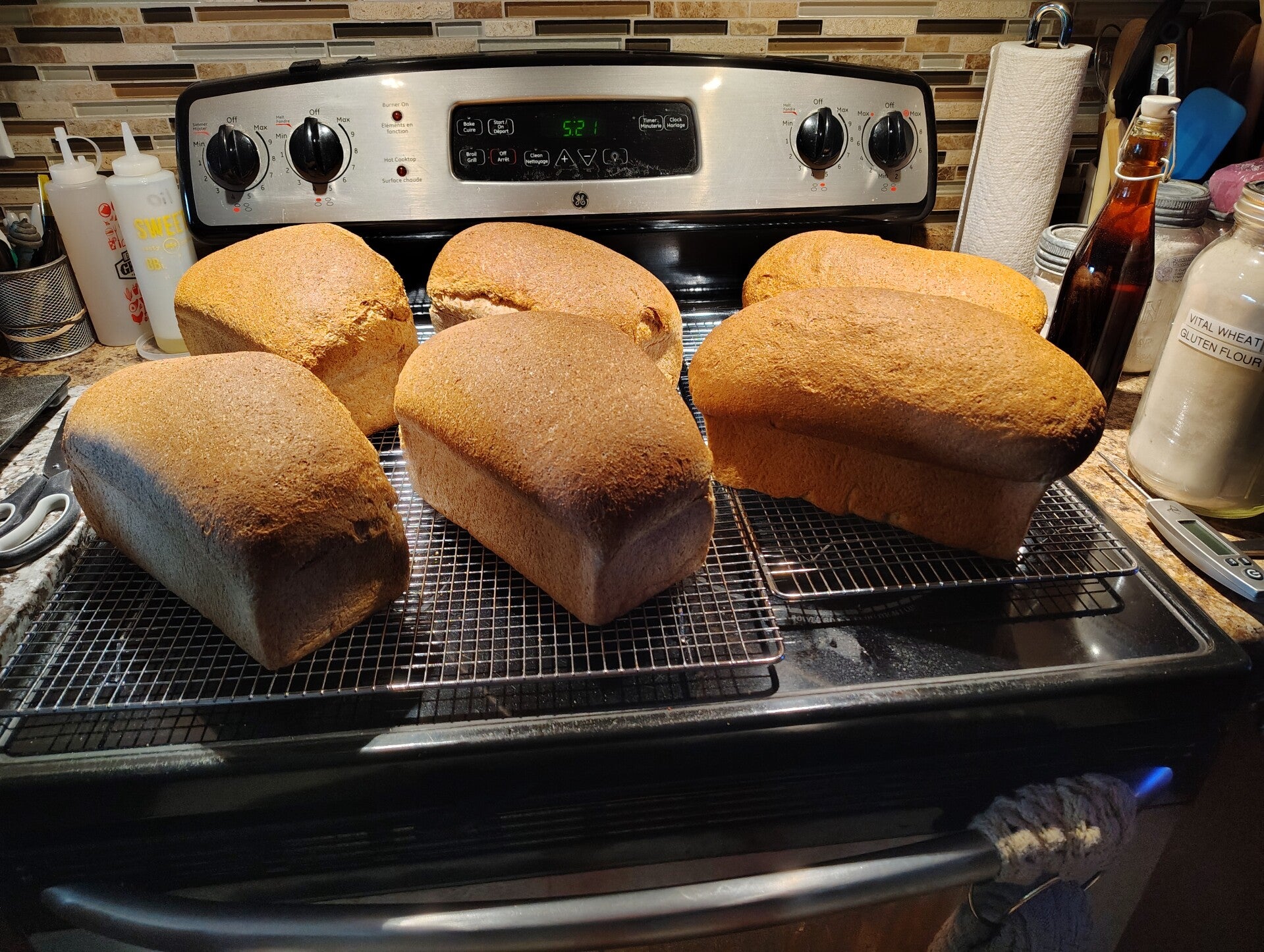
It was everything I had hoped for.
No bricks.
Just beautiful sourdough with a tender crumb, wonderful flavour, and all the goodness of freshly milled grain.
Understanding Your Wheat
One of the biggest lessons I learned is that not all wheat is the same.
Hard Wheat is higher in protein, making it ideal for breads and yeast doughs because it develops strong gluten.
Hard Red Wheat has a rich, hearty flavour ans is excellent for rustic breads.
Hard White Wheat has the same strong baking qualities but with a milder slightly sweeter taste, making it perfect for everyday sandwich bread.
Soft Wheat contains less protein and develops less gluten, making it a wonderful choice for tender baked goods.
Soft White Wheat is perfect for muffing, cookies, cakes, biscuits, pancakes, and pastries.
Soft Red Wheat also excels in pastries, crackers, cookies, and quick breads where a delicate texture is preferred.
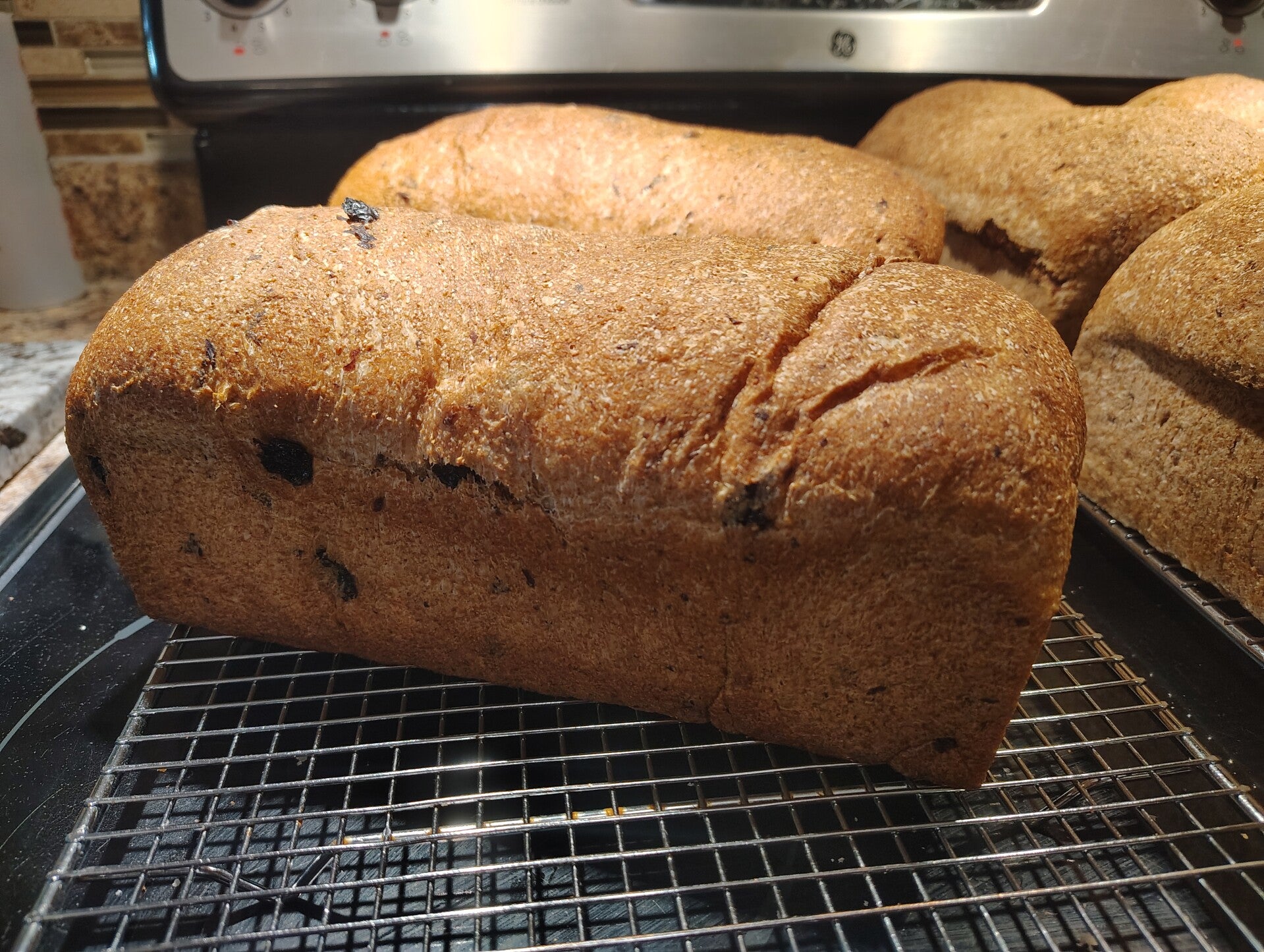
I've also begun experimenting with blending grains wuch as rey, spelt, and khorasan (often sold under the trademark kamut). Each grain contributes its own unique flavur, texture, and nutritional benefits, creating breads that are both delicious and interesting.
What I've Learned
After years of experimenting, here are my biggest take away:
- Storing whole grains is absolutely worth it. They store exceptionally well and provide outstanding flavour and nutrition when freshly milled.
- Freshly milled flour needs time to dehydrate. Allowing the flour and liquid to rest before adding yeast of sourdough starter and salt gives the bran and fibre time to absorb moisture, leading to a softer, lighter loaf.
- Develop the gluten fully. Knead until you achieve a good windowpane test. Strong gluten development creates better structure and reduces crumbliness.
- Vital wheat gluten is optional, put helpful. It isn't required for successful bread, but I find adding a small amount improves elasticity and creates a softer texture, especially when baking with 100% whole grain flour.
- Sunflouwer lecithin powder is another optional ingredient that I love. In my experiance, it helps keep homemade bread soft and fresh for nearly a week.
- Don't be afraid to experiment. Every loaf teaches you something.
More Than Just Better Bread
One thing I don't think I've ever admitted out loud is that, growing up, homemade bread sometimes made me feel a little self-conscious.
When everyone else's sadwiches were made with perfectly square, soft, store-bought bread, ours looked...homemade. They were often uneven, dense, and crumbly, while they usually tasted wonderful, as a kid it's hard not to compare your lunch to everyone else's.
We didn't always have homemade bread, my mom would go through phases, like we all do, homemade over storebought but then time and energy would factor in and storebought would be back again or we kids would start to make subtle comments on not particularly liking the bread.
Years later, I fund myself thinking about my own children. I wanted them to enjoy all the goodness of homemade bread without feeling like they were missing out on the soft, beautiful sandwich bread they saw everywhere else.
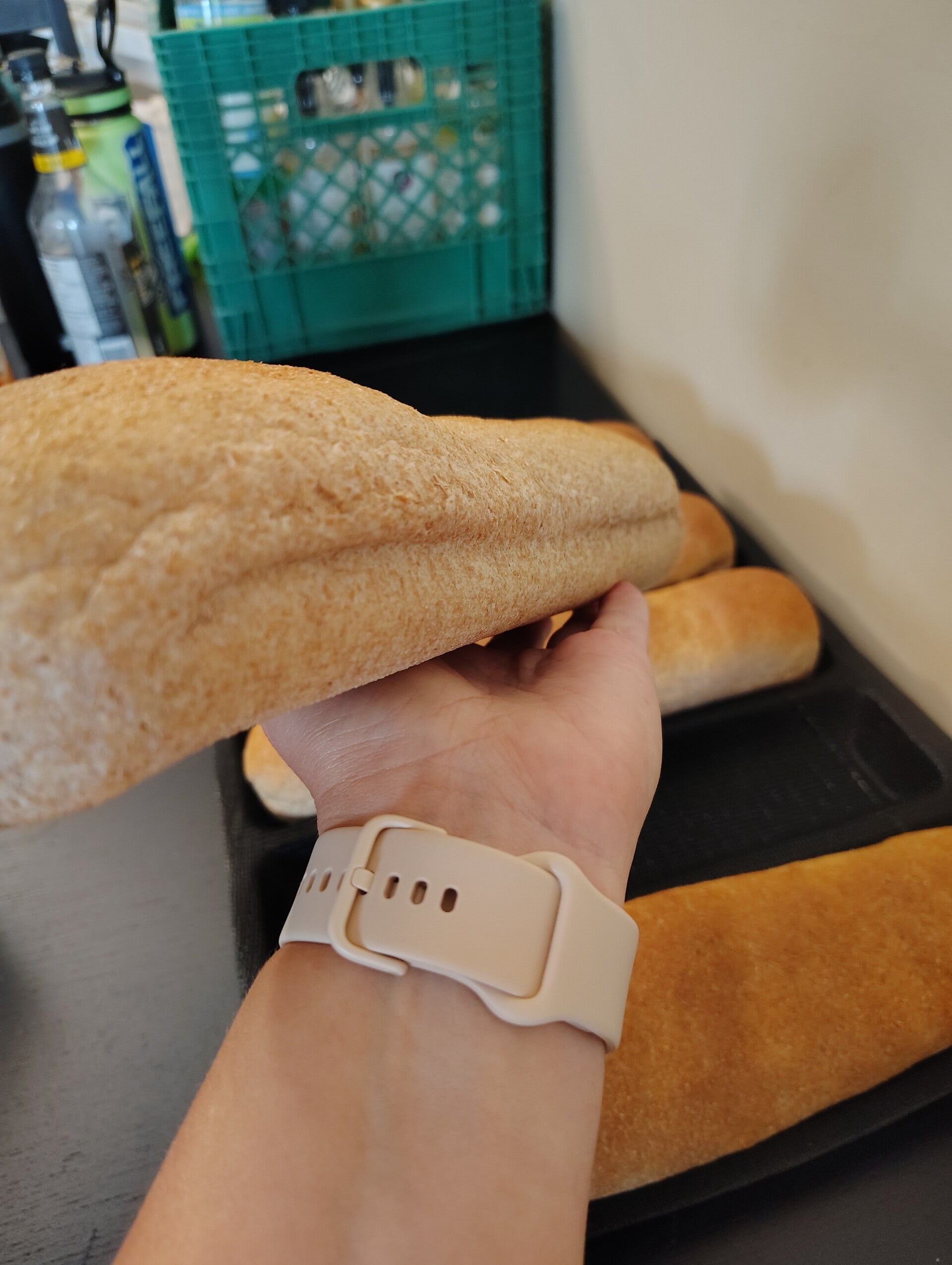
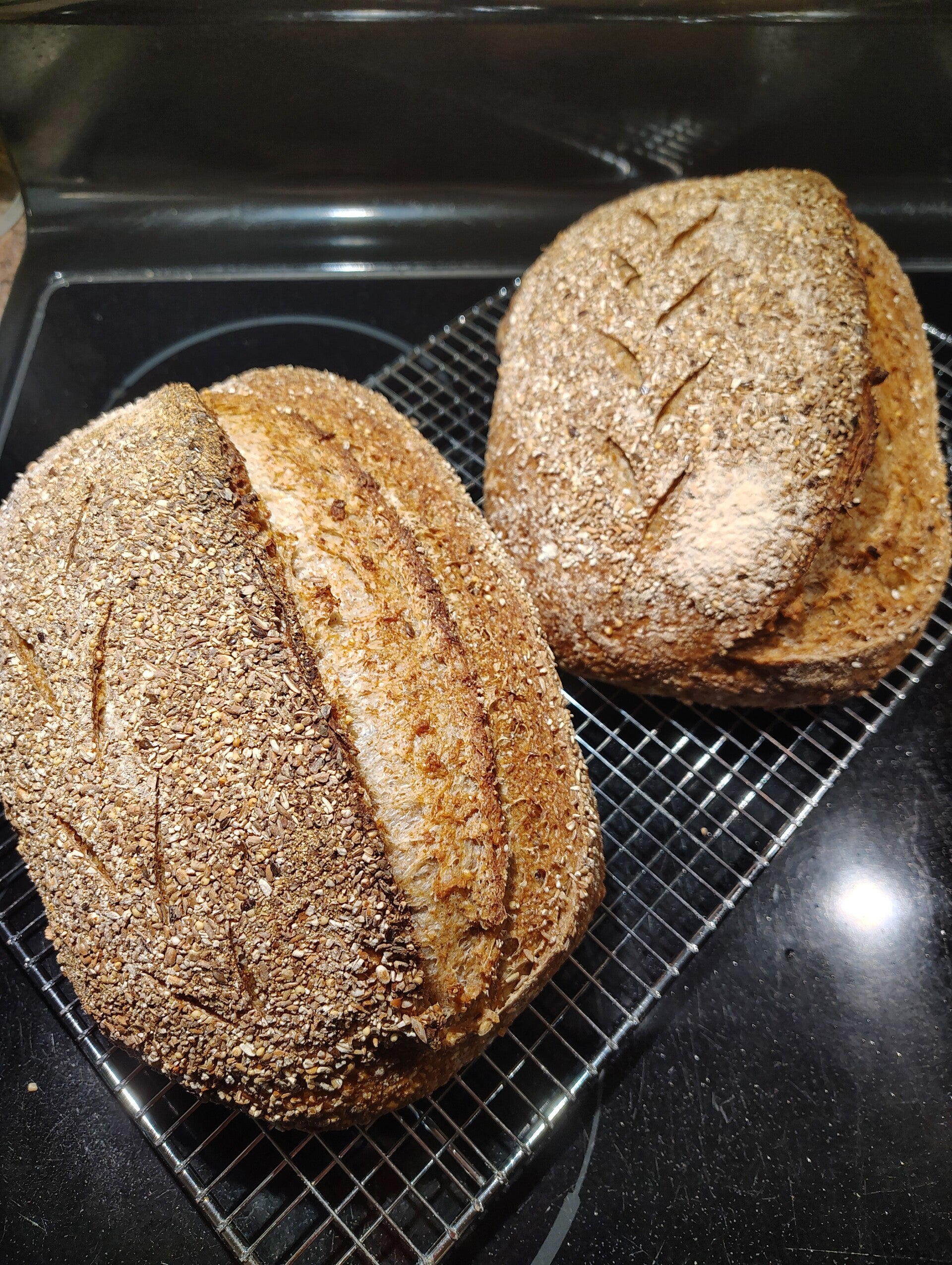
Now, when I pack lunches or make homemade sub sandwiches, I feel incredibly proud of what comes out of my kitchen and so do my kids. Our loaves are soft, fluffy, and slice beautifully. Our sub buns look like they came from a sandwich shop, and best of all, they taste even better.
There is something deeply rewarding about finally accomplishing something you've been working toward since you were young. After years of baking brick after brick, countless hours of research, and more experiments thatn I can count, I've finally created the kind of bread I always dreamed of making.
Now, instead of wishing our bread looked like everyone else's, we proudly eat homemade sandiches made from freshly milled flour. Friends and family ask for loaves, my children happily show off their lunches, and our kitchen is filled with bread that not only nourishes us but brings us genuine joy.
Sometimes the most satisfying recipes aren't the ones you master quickly, they're the ones you've spent years learning, improving and perfecting. Every loaf reminds me that persistence really does pay off.
A New Appreciation For Whole Grains
Now that I've unlocked the secret to baking succesfully with freshly milled flour, I can't imagine going back.
What once felt like an intimidating pantry staple has become one of the most valuable ingredients in our home.
Our grain storage has grown to include several varieties of wheat and other whle grains, giving us endless possibilities for bread, rolls, muffins, cookies, sourdough, and so much more.
There's something deeply satifying about taking a handful of whole grain, milling it into fragrant flour, and transforming it into warm bread that brings everyone to the table.
For me, that's what freshly milled baking is all about.